FUTA Engineering Experts Call for Stronger University–Government–Industry Collaboration on Intelligent Electrical Systems
The Ondo State Commissioner for Energy and Mineral Resources, Engineer Dr Johnson Alabi, has called for the establishment of a structured partnership involving the Federal University of Technology Akure (FUTA), government and industry to advance intelligent electrical infrastructure, renewable energy systems, digital monitoring, engineering innovation and workforce development.
 Philip22
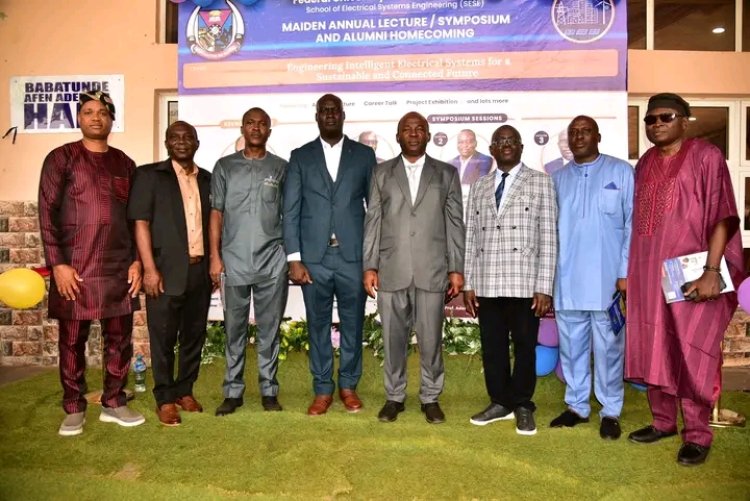
The Ondo State Commissioner for Energy and Mineral Resources, Engineer Dr Johnson Alabi, has called for the establishment of a structured partnership involving the Federal University of Technology Akure (FUTA), government and industry to advance intelligent electrical infrastructure, renewable energy systems, digital monitoring, engineering innovation and workforce development.
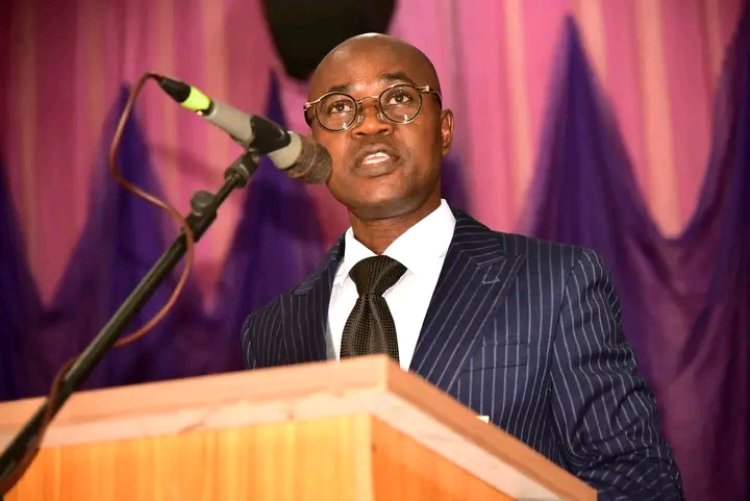
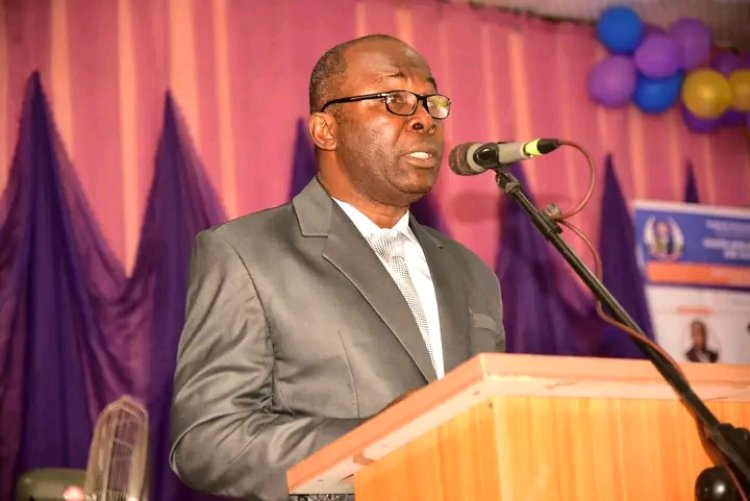
He made the call while delivering the keynote address at the maiden Annual Lecture/Symposium and Alumni Homecoming of FUTA’s School of Electrical Systems Engineering (SESE), held on Wednesday, November 11, 2026.
The keynote speaker, who was represented by the Director-General of the Ondo State Electricity Regulatory Board, Engineer Stephen Bolawole, spoke on the theme, “Engineering Intelligent Electrical Systems for a Sustainable and Connected Future.”
He challenged the University and emerging engineers to focus their research and innovations on solving societal problems, stressing that the value of engineering should be measured by its capacity to address the needs of society.
Dr Alabi noted that engineering intelligent electrical systems had become increasingly important as the world sought reliable and affordable energy solutions. He explained that the field combines modern electrical engineering, artificial intelligence and digital technologies to improve electricity generation, transmission, distribution and consumption.
He urged stakeholders, particularly academics and researchers, to pursue innovations that could make a tangible difference in communities and industries.
“Imagine FUTA researchers developing affordable transformer monitoring technologies. Imagine engineering students designing intelligent microgrid solutions for agricultural communities. Imagine university research contributing to improved electricity distribution efficiency and industrial productivity. Such collaboration would demonstrate the true meaning of engineering for societal transformation,” he said.
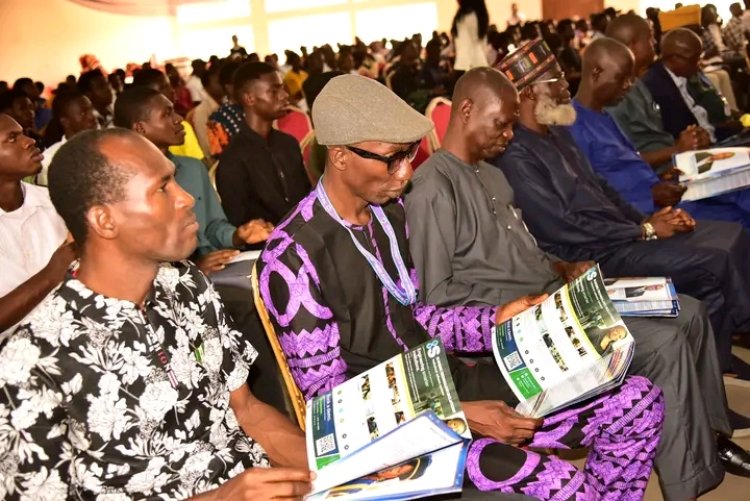
The Commissioner also called for the responsible application of artificial intelligence, noting that although technological convergence offered significant opportunities, it also presented risks. He warned that digitally connected infrastructure could become vulnerable to cyberattacks, while artificial intelligence systems could generate unreliable decisions when built on inadequate data and models.
Maintaining that intelligent electricity infrastructure must be secure, technically reliable, economically viable and socially inclusive, he stated: “An intelligent system that serves only a privileged minority while leaving underserved communities without dependable electricity cannot represent the desired future. The intelligent future must be secure in operation, sustainable in design, inclusive in benefits and accountable in governance.”
In a paper titled, “Beyond the Degree: The Role of Professional Engineering Bodies in Career Development and Global Competitiveness,” the Director of Engineering and Technical Services at OSRC Media Group, Ondo State, Engineer Femi Ayekomilogbon, emphasised that obtaining a degree was only the foundation of a professional engineering career.
He explained that graduation did not automatically confer the status of a registered engineer and advised young engineering students to associate with professional bodies for mentorship, guidance and career development.
Ayekomilogbon also encouraged students to participate actively in the activities of professional engineering organisations to maximise the benefits of membership. He described professional engineering bodies as catalysts for career development and global competitiveness.
In another presentation, the Acting Head of the Department of Electrical and Electronics Engineering at Elizade University, Ilara-Mokin, Engineer Dr Olugbenga Ogidan, examined the theme, “Artificial Intelligence in Education: Transforming Engineering, Teaching, Learning and Research.”
He stressed the need for students and other stakeholders, particularly members of the academic community, to use artificial intelligence responsibly. He cautioned that despite its benefits, AI could hallucinate and fabricate information, potentially exposing unsuspecting users to reputational damage, litigation and penalties if such errors were not identified and addressed.
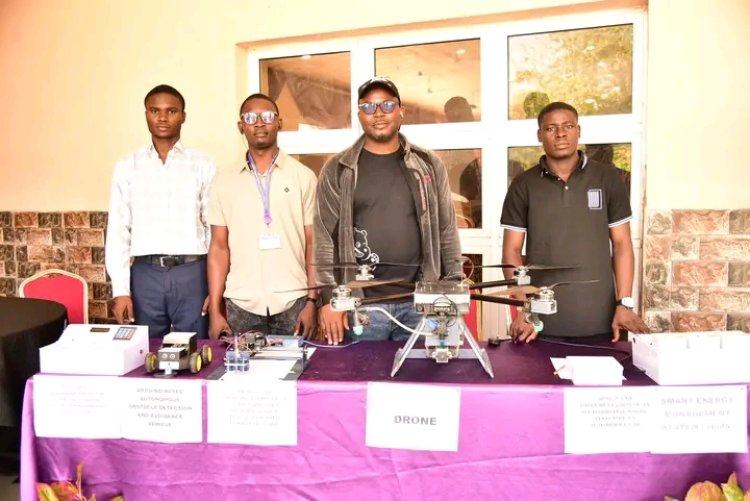
Similarly, the Group Chief Technology Officer of CapitalSage Holdings, Engineer Daniel Ale, spoke on “From Engineering Ideas to Impact: Building Innovative and Sustainable Engineering Ventures.”
He challenged Nigerian engineers to concentrate on translating innovative ideas into marketable products and to prioritise teamwork in achieving better results. He also urged them to familiarise themselves with government policies and identify the actual needs of industries rather than pursue research projects that never progress beyond academic papers.
Earlier, the Vice-Chancellor of FUTA, Professor Adenike Oladiji, represented by the Deputy Vice-Chancellor (Development), Professor Sunday Oluyamo, observed that Nigeria still had considerable ground to cover in electricity generation. She commended the organisers for selecting a theme that addressed an important aspect of national development.
Oladiji explained the significance of intelligence in electrical systems, describing it as the application of smart processes.
“The most important word here is ‘Intelligent’, which describes smart processes. It involves application of classic automation loop, that is, sensors to measure conditions, controller to make decisions and actuators to execute changes without human intervention,” she said.
In his remarks, the Dean of SESE, Professor Adegoke Melodi, commended Professor Oladiji for her continued support and for providing an enabling environment for the School to thrive.
He noted that, since its inception, SESE professors, academics and students had continued to bring recognition to the University through grants, competitions and other achievements.
“Since inception, SESE professors, academics and students have been notable winners of grants, competitions and other recognitions that portray the potentials, values and relevance of the School’s programmes and focus,” he said.
Earlier in his welcome address, the Chairman of the Local Organising Committee, Engineer Professor Akinlolu Ponnle, said the theme of the maiden edition was carefully selected in recognition of the central role electrical systems play in modern society.
He observed that essential institutions and sectors, including hospitals, factories, farms, banks and classrooms, depend on the generation, transmission, distribution and intelligent use of electrical energy and information.
The alumni homecoming, which formed another segment of the maiden annual lecture, provided an opportunity for past graduates of the School to reunite, network and celebrate.