FETHI Strengthens Ebola Preparedness Through Hospital Grand Round, Trains Health Workers On Response Measures
FETHI Strengthens Ebola Preparedness Through Hospital Grand Round, Trains Health Workers On Response Measures
 UmarFarouk123
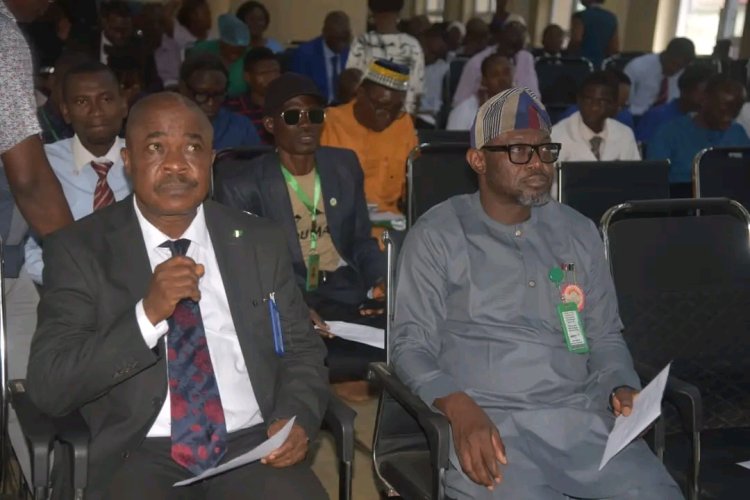
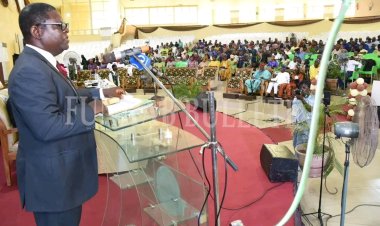
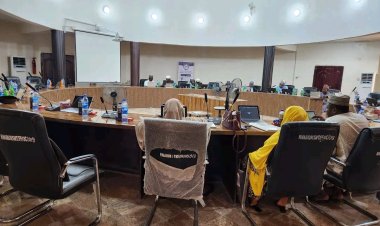
As part of efforts to strengthen its preparedness and response capacity against the reported Ebola Virus Disease (EVD) outbreak, the Federal Teaching Hospital, Ido-Ekiti (FETHI), on Tuesday, 10 November 2026, organised a Hospital Grand Round to sensitise and equip health workers with the knowledge and practical skills required to respond effectively to any suspected case of the disease.
The programme, organised by the Hospital Capacity Building Committee, was themed "Ebola Virus Disease: Health System Readiness and Countermeasures." It provided a platform for assessing the hospital's level of preparedness, reviewing infection prevention and control measures, and educating healthcare professionals on appropriate response protocols.
In his opening remarks, the Deputy Chairman, Medical Advisory Committee (DCMAC) Training, and Chairman of the Hospital Capacity Building Committee, Dr. T.F Kolawole, said the programme was organised to examine FETHI's level of preparedness and identify areas requiring improvement.
He stressed the need for heightened vigilance among healthcare workers, noting that the hospital must remain alert and proactive in preventing the introduction and spread of the disease.
"As a hospital, we must be on our toes because Ebola is knocking at our door, but we refuse to open the door for it," he said.
In his remarks, the Chief Medical Director, Prof. Kolawole Ogundipe, welcomed participants and described the Hospital Grand Round as an important platform for improving patient care and strengthening healthcare delivery.
He explained that one of the major objectives of the programme was to examine existing practices and develop policies and guidelines that would further improve service delivery. He urged healthcare workers to remain vigilant and be adequately prepared to manage any suspected case of Ebola Virus Disease within the facility.
The lecture series commenced with a presentation by Dr Fasaanu Adewale of the Department of Internal Medicine, who provided an overview of Ebola Virus Disease. He traced the first recorded outbreaks of the disease in 1976 to Nzara, Sudan (now South Sudan), and Yambuku, Zaire (now the Democratic Republic of the Congo), noting that the latter outbreak occurred near the Ebola River, from which the disease derived its name.
He also highlighted the different strains of the virus and explained its modes of transmission.
Speaking on the diagnosis of Ebola Virus Disease, Dr Nze Ifeakachukwu of the Department of Medical Microbiology explained that the response process begins from the moment a patient presents at the hospital.
He outlined the critical steps required in managing a suspected case, including immediate isolation, the use of appropriate Personal Protective Equipment (PPE), prompt notification of hospital management and relevant public health authorities, clinical assessment, laboratory investigation and testing, supportive treatment, environmental decontamination, contact tracing and monitoring, proper documentation and reporting, as well as public communication and health awareness.
In a practical session, ACNO Oladapo Deborah of the Infectious Disease Control Unit demonstrated the appropriate procedures for wearing Personal Protective Equipment (PPE), emphasising the importance of correct donning and doffing techniques in protecting healthcare workers from possible exposure to the virus.
Also speaking, ADNS Okhakumeh Elizabeth of the Infectious Disease Control Unit, in her presentation titled "Nursing Care Plan," advised nurses to immediately interrupt routine patient flow from any clinic where a suspected case is identified to prevent unnecessary contact and possible transmission to other patients and healthcare workers.
She explained that an effective nursing care plan should cover nursing diagnosis, expected outcomes, nursing interventions, rationale and evaluation, stressing the importance of structured nursing management in the care of suspected or confirmed cases.
Delivering a lecture on "Epidemiology and Community Prevention," Dr Andrew Omotosho of the Department of Community Medicine said Ebola remains a major public health threat, particularly in sub-Saharan Africa, where repeated outbreaks have been recorded.
He noted that the disease has a high case fatality rate, ranging from 25 to 90 per cent, depending on the outbreak and other factors.
Dr Omotosho further highlighted Nigeria's successful Ebola containment experience in 2014 as an important operational case study, emphasising that early identification of suspected cases, prompt isolation, effective contact tracing and timely public communication were critical to containing the outbreak. He stressed the importance of adapting these lessons to strengthen Nigeria's preparedness and response capacity.
Rounding off the presentations, Dr O.E. Ariyo, an Infectious Disease Physician, delivered a lecture on "Hospital Readiness and Countermeasures." He emphasised the need for the hospital and its workforce to maintain a high level of alertness, noting that effective preparedness requires proactive planning rather than waiting for an outbreak to occur.
He identified the availability of adequate PPE and alcohol-based hand sanitisers, continuous training and retraining of healthcare workers, effective monitoring and surveillance, proper waste management and regular simulation exercises as essential components of hospital preparedness against Ebola Virus Disease.
The presentations were followed by an interactive question-and-answer session, during which participants sought further clarification on various aspects of Ebola prevention, diagnosis, infection control and clinical management. The speakers provided appropriate responses to the questions raised.
Delivering the vote of thanks, Dr Kolawole expressed appreciation to the Chief Medical Director, members of the hospital's top management, the resource persons and participants for their contributions to the success of the programme. He also commended members of the Hospital Capacity Building Committee for their commitment to organising the educative and engaging session.
Present at the Clinical Grand Round were the Chairman, Medical Advisory Committee (CMAC), Dr Olabisi Adeyemo; Director of Administration and Secretary to the Board, Mrs Foluso Adelegan; Head of Accounts and Finance, Mrs Yinka Adewara, PhD; Director of Nursing Services, Mrs Olubunmi Adeniji, PhD; Deputy Chairman, Medical Advisory Committee (DCMAC), Diagnostics Services, Dr O.J. Adegbamigbe; Director of Pharmaceutical Services, PharmD Solomon Age; Deputy Director of Protocol and Head of Information and Corporate Affairs Department, Mr Isaac Anifowose; as well as consultants, heads of departments and units, and other members of staff across the hospital.