Professor Zeb-Obipi Champions SDGs, Calls for Narratives That Redefine the Niger Delta
Professor Zeb-Obipi Champions SDGs, Calls for Narratives That Redefine the Niger Delta
 UmarFarouk123
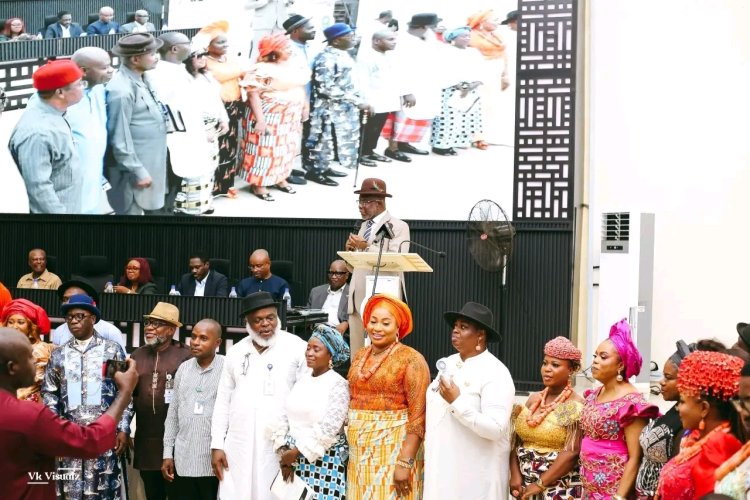
The Vice-Chancellor of Rivers State University (RSU), Professor Isaac Zeb-Obipi, has called for the strategic use of film, media and creative storytelling to promote sustainable development, social inclusion and a more balanced representation of the Niger Delta beyond the familiar narratives of environmental degradation, conflict and insecurity.
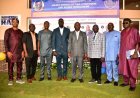
Professor Zeb-Obipi made the call on Tuesday, 17th November, 2026, while declaring open the maiden Rivers State University Film Festival and Media Conference 2026, organised by the Faculty of Communication and Media Studies (FCMS), under the theme, "Framing the Delta: Beyond Crisis Narratives to Plural Realities."
He highlighted the festival's relevance to the United Nations Sustainable Development Goals (SDGs), particularly those relating to quality education, gender equality, decent work, reduced inequalities, peace and justice, and global partnerships. He described film and media as powerful tools for promoting media literacy, entrepreneurship, critical thinking, responsible journalism and peaceful coexistence.
The Vice-Chancellor also stressed the need for stronger collaboration among universities, government and industry practitioners to harness the creative economy for sustainable development. He commended the Faculty for providing a platform that connects academic knowledge with professional practice.
In his keynote address, the Managing Director/Chief Executive of the Nigerian Film Corporation, Dr. Ali Nuhu, challenged Nigerian filmmakers to move beyond conventional portrayals of communities through conflict, pollution and social instability, urging them to embrace more balanced and authentic representations.
While acknowledging environmental challenges, including pollution in Ogoniland, he maintained that such realities should not overshadow the Niger Delta's cultural heritage, indigenous knowledge, languages, craftsmanship, economic resilience and everyday experiences.
He encouraged indigenous filmmakers to document their communities, preserve oral histories and traditional performances and develop authentic stories that reflect local identities. He also advocated practical filmmaking training, stronger institutional partnerships and improved access to national and international distribution platforms.
The Deputy Vice-Chancellor, Academic, Professor Richard N. Amadi, expressed appreciation to the University administration and the National Universities Commission for their contributions to the development and licensing of the new Faculty. He also acknowledged the mentors and colleagues whose efforts contributed to its establishment.
Earlier, the Dean of the Faculty of Communication and Media Studies, Professor Barigbon Gbara Nsereka, said the festival was conceived to challenge decades of one-sided representations of the Niger Delta, largely centred on oil-related conflicts, militancy, environmental destruction and political instability.
Referencing the Ogoni experience between 1993 and 1998, he observed that the region's historical struggles had shaped international perceptions, often overshadowing its cultural richness, intellectual achievements, entrepreneurial spirit and resilience.
He described the Niger Delta as a region of multiple realities, encompassing innovation, enterprise, humour, cultural diversity and human triumphs, stressing that representations focusing exclusively on crises distort the region's identity through omission.
Professor Nsereka also announced the premiere of the University's original Niger Delta feature thriller, The Delta Five, featuring the Vice-Chancellor as the Governor of the Delta and himself as the Police Commissioner, Delta Command. He described the festival as a convergence of academia and the creative industry.
The Dean appreciated the Executive Governor of Rivers State, Sir Siminalayi Fubara, for the financial support that facilitated the event. He also acknowledged the contributions of Mr. Emmanuel Okoh, Zenith Bank Plc, the Nigerian Content Development and Monitoring Board, Bonny Local Government Area and the Vice-Chancellor.
In a goodwill message, the Permanent Secretary, Rivers State Ministry of Information and Communications, Sir Dr Honour Kuru Sirawoo, mni, FCAI, represented by Dr. Davies, described the conference theme as timely, noting that the power to frame stories also influences identity, public perception, policy and development.
He urged filmmakers, journalists, visual artists and scholars to project the Niger Delta's creative economy, cultural heritage, technological advancement and developmental potential. He further challenged the conference to develop practical frameworks for digital storytelling, media literacy and sustainable partnerships among researchers, filmmakers and policymakers.
Presenting their lead papers, Professor Femi Shaka examined the Niger Delta's economic narratives through the resource control question, focusing on how Nigerian cinema portrays oil ownership, corporate interests and the socio-economic struggles of oil-producing communities. He argued that lasting peace requires justice, responsible resource management and equitable distribution of oil wealth.
Similarly, Professor Peter Esuh advocated a shift from crisis-driven representations to community-centred storytelling that reflects the region's diversity and developmental possibilities. He recommended documentaries, podcasts, social media and digital archives as tools for preserving indigenous identities and amplifying local voices. He also highlighted economic diversification, improved infrastructure, educational development and women's political representation.
On his part, the Chairman of the Planning Committee, Dr Ibe O. Ibe, thanked the Vice-Chancellor for approving and supporting the festival, particularly for agreeing to feature in The Delta Five.
Dr Ibe particularly commended Dr Ali Nuhu for attending the festival, describing his presence as an important opportunity to strengthen town-and-gown collaboration and connect students with professionals in the Nigerian film industry.
The festival featured a panel discussion anchored by Basorge Tariah Jr., with contributions from Dr Sam Dede, Yibo Koko, Dr Uche Agbo and content creator Alltson Precious Emmanuel, popularly known as The Boy Who Gave.
Other activities included masterclasses in screen acting, directing, industry codes, camera work and documentary filmmaking, as well as academic presentations, film screenings, cultural performances and the launch of Pressure Filmmaking Groups.
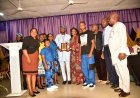
A major highlight was the premiere of The Delta Five, an original Niger Delta feature thriller produced by Rivers State University, alongside the recognition of outstanding creative and academic contributions.