ACU Professor Okwezuzu Advocates Recognition Of Ecocide As Fifth International Crime
The Head of the Department of Public and International Law at Ajayi Crowther University (ACU), Oyo, Professor Gaius Okwezuzu, has called for the recognition of ecocide as the fifth international crime against peace, arguing that existing legal frameworks are insufficient to address the growing threat of environmental destruction.
 Philip22
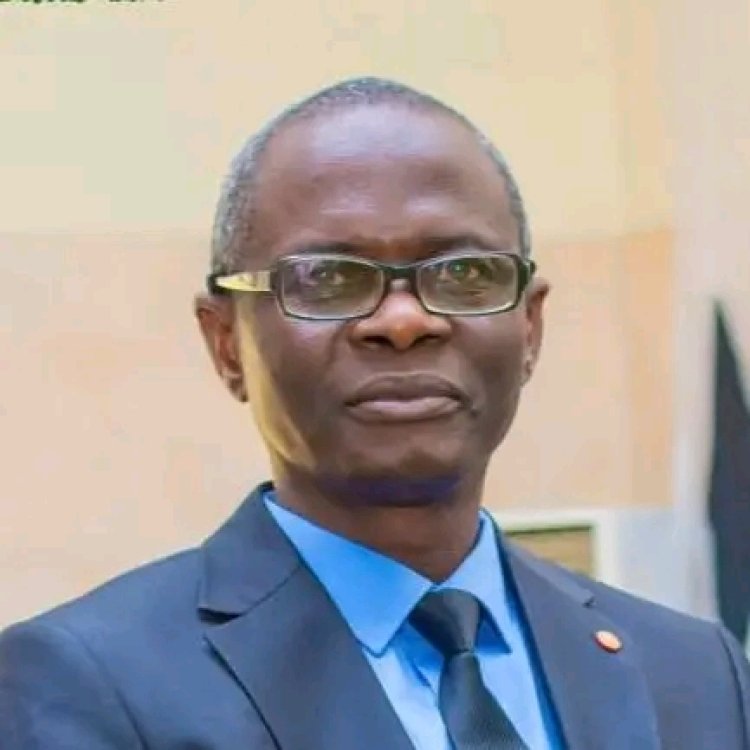
The Head of the Department of Public and International Law at Ajayi Crowther University (ACU), Oyo, Professor Gaius Okwezuzu, has called for the recognition of ecocide as the fifth international crime against peace, arguing that existing legal frameworks are insufficient to address the growing threat of environmental destruction.
Professor Okwezuzu, who is also the Executive Director of End Ecocide Nigeria, made the call while delivering a keynote address at a webinar organised to commemorate International Criminal Justice Day 2026.
The virtual event, held on Friday, July 17, 2026, was organised by the Department of Jurisprudence and International Law, University of Ilorin, in collaboration with the International Law Association (ILA) Nigeria Committee on the Teaching of International Law and Sustainable Development Goals (SDGs).
In his presentation titled “Evaluating Environmental Destruction (Ecocide) as a Crime against Humanity,” Professor Okwezuzu described ecocide as severe, long-term and large-scale environmental destruction, warning that such acts pose a serious threat to human survival.
He described ecocide as a form of “environmental genocide,” arguing that while the international community has developed mechanisms to address genocide and other crimes against humanity, similar protections remain inadequate for large-scale environmental destruction.
The legal scholar proposed that ecocide should be added to the Rome Statute through an amendment, allowing it to fall under the jurisdiction of the International Criminal Court (ICC) as the fifth Crime Against Peace.
Professor Okwezuzu noted that global advocacy for the criminalisation of ecocide has gained momentum through organisations such as Stop Ecocide International, with some countries and regions, including parts of Europe, taking steps towards recognising ecocide as a criminal offence.
He highlighted several potential benefits of criminalising ecocide, including improved environmental protection, deterrence of destructive activities, enhanced accountability and encouragement of sustainable innovation.
However, he identified challenges that could hinder the adoption of ecocide laws globally, including the difficulty of reaching a universally accepted definition, political and economic opposition, legal implementation challenges and the involvement of major polluting nations that are not parties to the Rome Statute.
In his recommendations, Professor Okwezuzu urged countries and regions to establish legal mechanisms for recognising ecocide, enact domestic ecocide laws and encourage industrialised countries that are not signatories to the Rome Statute to consider ratifying the treaty.
The webinar featured a panel session involving legal experts and stakeholders from Nigeria and beyond.
In a letter of appreciation dated July 21, 2026, the International Law Association commended Professor Okwezuzu for his keynote address, describing it as a contribution that provided key insights and fresh perspectives to the global discourse on ecocide.