AE-FUNAI VC Challenges Varsity Researchers to Enhance Visibility to Win Grants
AE-FUNAI VC Challenges Varsity Researchers to Enhance Visibility to Win Grants
 UmarFarouk123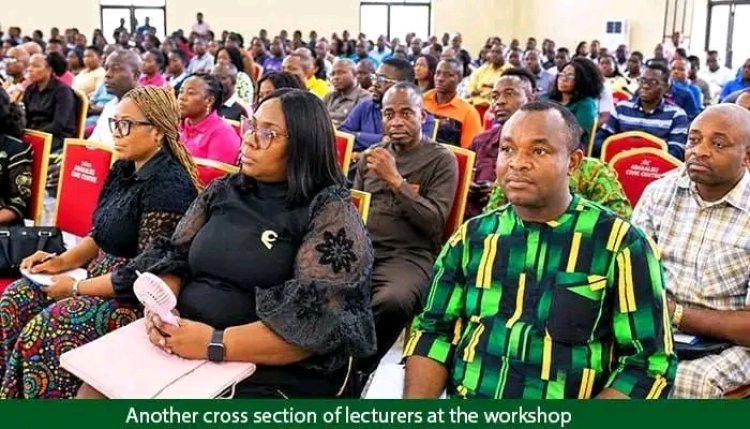
Vice-Chancellor of Alex Ekwueme Federal University Ndufu-Alike, Ebonyi State, Prof. Daniel Nwachukwu, has urged academic staff of institution to enhance their research visibility and adopt effective strategies to secure research grants
He made call during workshop themed "Writing Successful TETFund NRF Concept Notes and Proposals," organised by Directorate of Research and Development of institution, when he emphasised need for university lecturers to transit from merely writing proposals to actively competing for and winning grants.
Vice-Chancellor instructed all academic staff to maintain updated Google Scholar profiles, noting research visibility is critical factor in evaluating researchers and universities, as grant assessors review applicants' publications, citations, and research records before making funding decisions.
"Research visibility is not optional. We must compete and win grants," Prof. Nwachukwu stated, stressing universities are increasingly ranked and funded based on their research output, visibility, and ability to secure competitive external funding.
Prof. Nwachukwu assured researchers management would continue to provide institutional support for multidisciplinary teams developing viable concept notes, adding Directorate of Research would also enhance its support through mentoring, internal proposal reviews, and follow-up clinics.
Guest speaker, Prof. Obinna Onwujekwe, former Director of Research and Development at University of Nigeria, Nsukka, conducted practical session on essential elements of developing competitive research proposal.
He guided participants through proposal-writing process, emphasising successful proposal must begin with clear, precise, and compelling title that communicates research problem and its relevance.
He emphasised researchers must demonstrate strong understanding of problem they intend to investigate and establish convincing link between identified research gap, proposed intervention, and expected outcomes. He urged participants to avoid vague objectives and overly broad research questions, advising them to develop focused studies with clearly measurable deliverables.
Prof. Onwujekwe highlighted importance of methodological rigour, stressing researchers must clearly explain how data will be generated, analysed, and interpreted, and encouraged participants to pay close attention to research ethics, particularly when studies involve human participants, communities, or sensitive information.
He advised researchers to ensure every major expenditure in proposals is directly connected to activities and objectives of study, stressing credible proposal should contain realistic timeline and work plan that outlines how research will progress from commencement to completion.
He also encouraged academics to embrace teamwork, multidisciplinary collaboration, and peer-review, stating researchers should not work in isolation when developing major grant proposals. According to him, subjecting proposals to constructive criticism before submission can help researchers identify weaknesses, improve clarity, and enhance overall competitiveness of their applications.
Earlier, Director of Research and Development, Prof. Robert Onyeneke, noted TETFund National Research Fund is one of most significant sources of research funding available to Nigerian academics. He explained it supports research aimed at addressing national development challenges and provides scholars with resources needed to carry out impactful work.
He shared practical insights into what is expected at full proposal stage for TETFund National Research Fund (NRF), stressing progressing from promising concept note to fundable proposal requires more than just identifying intriguing research problem; it also necessitates clearly articulated research question, appropriate methodology, competent research team, realistic work plan, and well-justified budget.
Prof. Onyeneke emphasised importance of demonstrating clearly how proposed studies would address identified problems and yield measurable outcomes that contribute to institutional, national, or global development. He encouraged researchers to ensure alignment between their research objectives, methodology, expected outputs, and budget, noting inconsistencies in these areas could undermine otherwise promising proposal.
He urged academic staff to embrace multidisciplinary and interdisciplinary research collaboration, particularly given increasingly competitive nature of research funding. According to him, collaborating with researchers who possess complementary expertise can enhance proposals and improve their ability to tackle complex societal challenges.
Prof. Onyeneke highlighted significant funding opportunity presented by 2026 NRF grant cycle, which has approved allocation across 30 thematic areas. He noted increase from previous year's funding, presenting AE-FUNAI researchers with opportunity to develop ambitious research projects capable of competing successfully at national level. The 2026 call has been announced with ₦10 billion NRF cycle, with concept notes leading to full proposals for those submissions deemed fundable.
He urged researchers to start early, work collaboratively, and subject their proposals to rigorous internal review before submission, assuring them of Directorate's readiness to provide mentoring, proposal review, and other forms of technical support.
Workshop reinforces need for researchers to treat grant writing as deliberate and collaborative process rather than last-minute task. Approach aligns with TETFund's NRF framework, which encourages multidisciplinary and interdisciplinary research and requires successful concept-note applicants to proceed to full proposals before final funding consideration.