Experts Advocate Effective Implementation of Economic Policies as KWASU Hosts ICOMSS 2.0
Experts Advocate Effective Implementation of Economic Policies as KWASU Hosts ICOMSS 2.0
 UmarFarouk123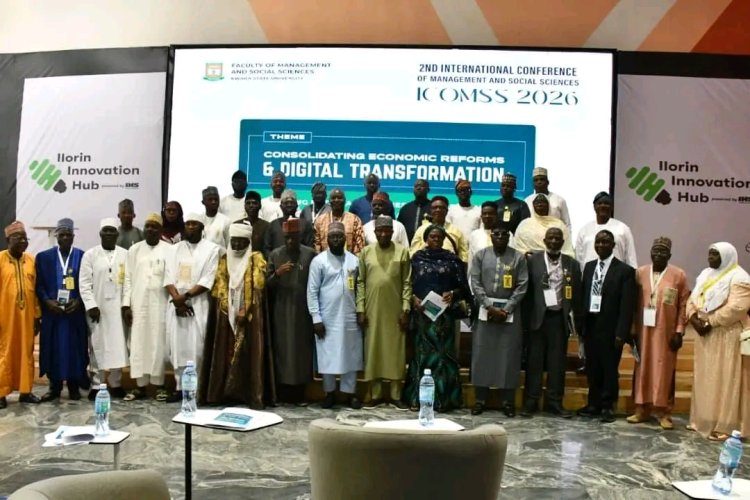
As Kwara State University's Faculty of Management and Social Sciences hosts 2nd edition of its International Conference, stakeholders have identified need for greater use of digital technologies that enhance implementation of economic policies by improving efficiency, accountability, trust and access to public services.
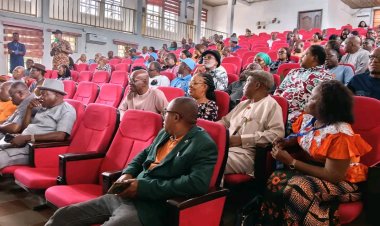
Opening ceremony of conference themed "Consolidating Economic Reforms and Digital Transformation" held on Tuesday, October 6, 2026, at Ilorin Innovation Hub, drew participants from within and outside Nigeria.
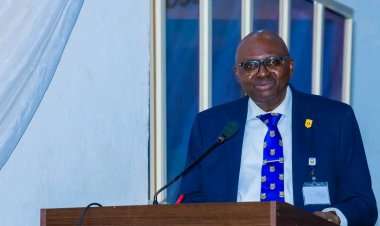
In his address, Vice-Chancellor of Kwara State University, Malete, Prof. Shaykh-Luqman Jimoh, noted Nigeria's ongoing economic reforms required research-driven and practical recommendations that can translate government policies into tangible benefits for citizens, urging researchers to collaborate on ways to make policy implementation more effective.
Describing conference as important platform for scholars, policymakers and other stakeholders to exchange knowledge and perspectives on public finance, investment and economic transformation, Prof. Jimoh noted theme was timely and relevant, given growing relevance of digital technologies to governance, economic management and public policy.
"At Kwara State University, we expect our academic conferences to go beyond delivery of papers. We expect them to produce ideas that can be applied.
"I expect participants to go beyond describing reforms and technologies shaping our economy to identifying what needs to change in our institutions, how digital tools can be used more effectively, and the skills needed to participate meaningfully in a changing economy," Vice-Chancellor stated.
Keynote speaker and United Nations Development Programme (UNDP) Resident Representative to Democratic Republic of Congo, Prof. Kamil Kayode Kamaludeen, stated economic reforms could only be considered successful when they produced visible and measurable social outcomes.
Prof. Kamaludeen identified six priorities for turning reforms into tangible results to include connecting economic reforms to opportunities; redesigning services before digitising them; building connected digital infrastructure and capable institutions; organising government around outcomes and local needs; strengthening accountability; and making inclusion and trust central to reform efforts.
He further identified opportunity, integrity, sustainability and trust as key tests of successful reforms, stressing technology alone could not deliver meaningful transformation.
He added capable institutions, effective coordination, accountability and citizen feedback were essential to converting public resources and digital investments into better services, productive opportunities and improved livelihoods.
Lead paper presenter and professor of organisational behaviour and human resource management at Bournemouth University Business School in United Kingdom, Prof. Gbola Gbadamosi, emphasised importance of trust and effective organisational structures in implementing economic reforms through digital transformation.
Prof. Gbadamosi called for increased investment in digital capabilities, noting need to rebuild organisational trust as critical component of successful digital and economic reforms.
Earlier in opening address, Acting Dean of Faculty of Management and Social Sciences, Dr. Abdulrahman Mustapha, noted Conference was growing in its reach as there were participants from Ghana and South Africa among almost one hundred physical and virtual participants.
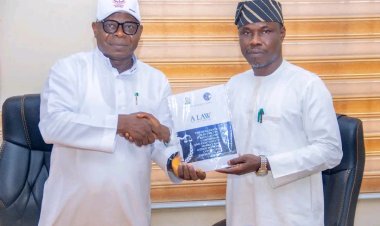
He commended management of university for support which culminated in hosting of ICOMSS 2.0.