FUNAAB Promotes Cleaner Transportation Through CNG, EV Sensitisation Programme
The Federal University of Agriculture, Abeokuta (FUNAAB), has strengthened its commitment to cleaner and more sustainable transportation through a sensitisation programme on Compressed Natural Gas (CNG) and Electric Vehicles (EVs).
 Philip22
The Federal University of Agriculture, Abeokuta (FUNAAB), has strengthened its commitment to cleaner and more sustainable transportation through a sensitisation programme on Compressed Natural Gas (CNG) and Electric Vehicles (EVs).
The programme was aimed at promoting safer, more affordable and environmentally responsible transportation within the University community.
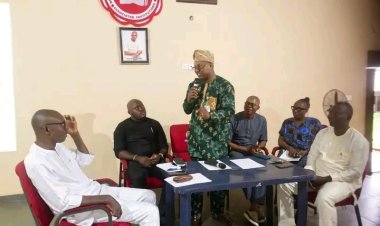
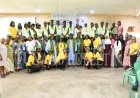
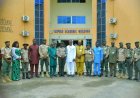
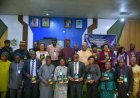
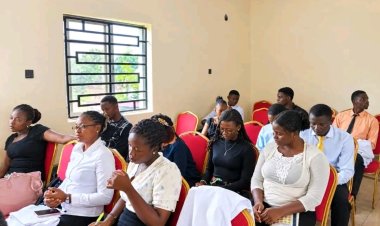
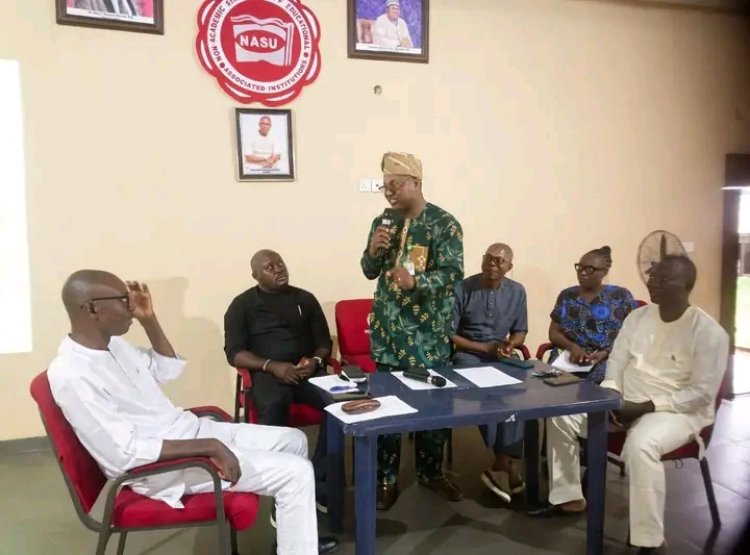
The sensitisation programme, held on September 23, 2026, at the NASU Secretariat, was organised by SYD Mega System Limited in collaboration with the Senior Staff Association of Nigerian Universities (SSANU), Non-Academic Staff Union (NASU) and National Association of Academic Technologists (NAAT).
The programme brought together members of the University community and staff unions to examine the opportunities, benefits and practical considerations associated with emerging alternative energy solutions in Nigeria’s transportation sector.
Representing the Vice-Chancellor, Professor Babatunde Kehinde, the Deputy Vice-Chancellor, Development, Professor Olawale Dairo, stressed the importance of collaboration in developing practical solutions that would promote environmental sustainability and improve the quality of life within the University community.
The Vice-Chancellor noted that sustainable transportation systems were increasingly gaining acceptance, supported by government interventions aimed at promoting cleaner and more efficient mobility.
He added that FUNAAB was exploring ways to strengthen its transportation system through the acquisition and deployment of vehicles in partnership with strategic stakeholders.
Earlier, the Managing Director of SYD Mega System Limited, Mr. Adebayo Soyode, said the programme was designed to increase awareness of CNG-powered vehicles, their benefits and practical applications.
He explained that government policies had encouraged the adoption of CNG in response to rising petrol and transportation costs, as well as efforts to expand the CNG ecosystem across the country.
Soyode described CNG as an economical and more sustainable transportation fuel option, noting its potential benefits, including reduced fuel expenditure, improved engine performance, lower operating temperatures and potentially longer engine life.
Speaking at the programme, the Chairman of SSANU-FUNAAB, Comrade Olugbenga Alayode, appreciated members of the University community for participating in the sensitisation programme.
He described the event as an important platform for knowledge acquisition and stakeholder engagement, while commending the organisers for their coordination and commitment.
The Chairman of NASU-FUNAAB, Comrade Samson Edivri, described the programme as timely, noting that stakeholders needed to understand the practical implications of transitioning from conventional petrol-powered vehicles to alternatives such as CNG.
He stressed that sustainable transportation should encompass efficiency, safety, environmental responsibility and local economic opportunities.
In his goodwill message, the Executive Chairman and Chief Executive Officer of the Presidential Initiative on Compressed Natural Gas and Electric Vehicles, Barrister Ismaeel Ahmed, represented by Engineer Joseph Igana, commended SYD Mega System Limited for selecting FUNAAB as the host institution.
He described the transition to alternative energy as increasingly relevant to Nigeria’s transportation and economic development.
Ahmed disclosed that CNG operations had been activated in 28 states, with more than 120,000 vehicles and tricycles converted.
He added that active CNG refuelling stations had increased from 11 at the commencement of the programme to more than 90.
According to him, more than 400 accredited conversion centres were operating nationwide, while over 8,000 CNG technicians had been trained and certified and more than 100,000 direct and indirect jobs had been created.
He encouraged FUNAAB to take advantage of the campus conversion partnership by converting its shuttle buses to CNG and training relevant engineering students as certified CNG technicians.
Ahmed envisaged the University emerging as a model CNG-enabled institution where academic knowledge, practical skills and sustainable transportation converge to support Nigeria’s transition towards cleaner energy.