St George’s University Dean Advocates Compassion in Medical Training
Medical schools have been urged to place greater emphasis on empathy, resilience, compassion and human relations in training future doctors, rather than focusing mainly on academic performance and examination scores.
 judithhh
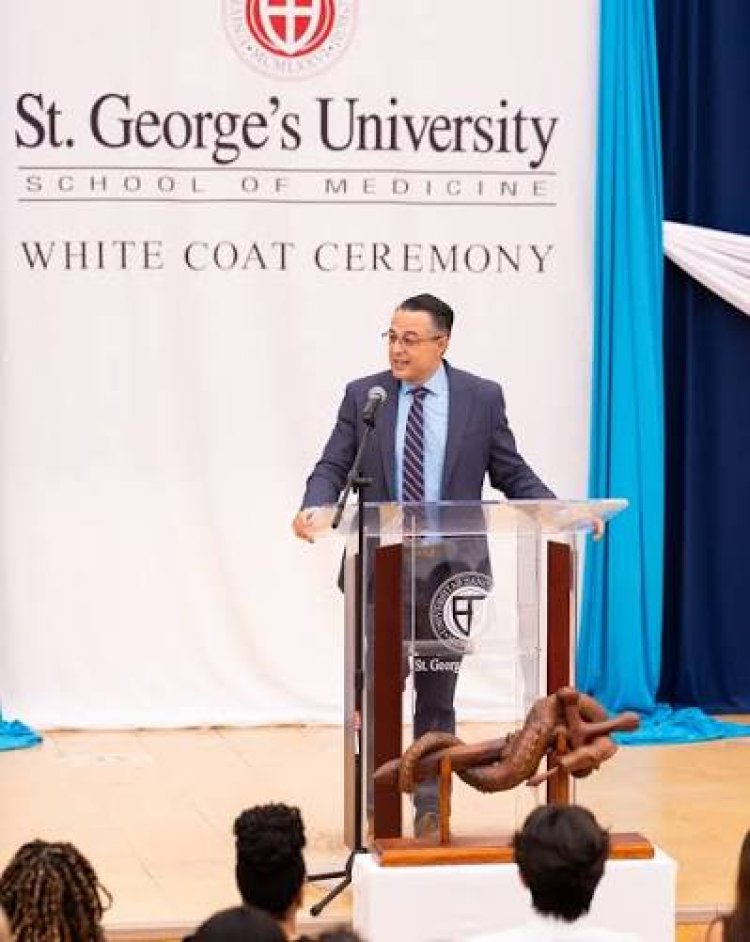
Medical schools have been urged to place greater emphasis on empathy, resilience and human relations in training doctors, rather than relying mainly on students’ academic performance and examination scores.
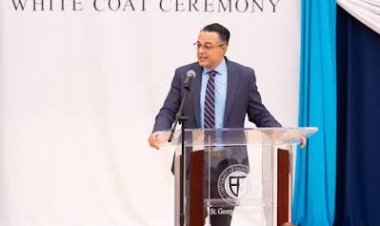
The President of St George’s University, Grenada and Dean of its School of Medicine, Dr Marios Loukas, said the ability to connect with patients and show compassion was as important as academic competence in producing good physicians.
Loukas, who spoke in an interview, said while medical students needed to demonstrate strong knowledge and perform well in examinations, those qualities alone were insufficient to make them competent doctors.
He said, “The big difference is the behaviours, the attitudes, the empathy, the resilience, all the other competencies that they have to make a very good physician.
“You cannot become a physician just because you are a very good memoriser or a very smart person, but you don’t care about humanity. Medicine, by definition, is a humanistic type of science. You need to love the human. You need to be able to connect with humans when they are in pain.”
Loukas, who said he had spent 21 years at the university and had been involved in medical education for several years, explained that the institution considered these attributes during its admission process and sought to develop them throughout students’ training.
He added that the university looked beyond students’ ability to memorise information and pass examinations, stressing that a genuine interest in treating people and a willingness to go the extra mile were important qualities in a doctor.
His comments come amid concerns over Nigeria’s shortage of doctors and the capacity of its medical schools to accommodate the growing number of young people seeking admission to study medicine.
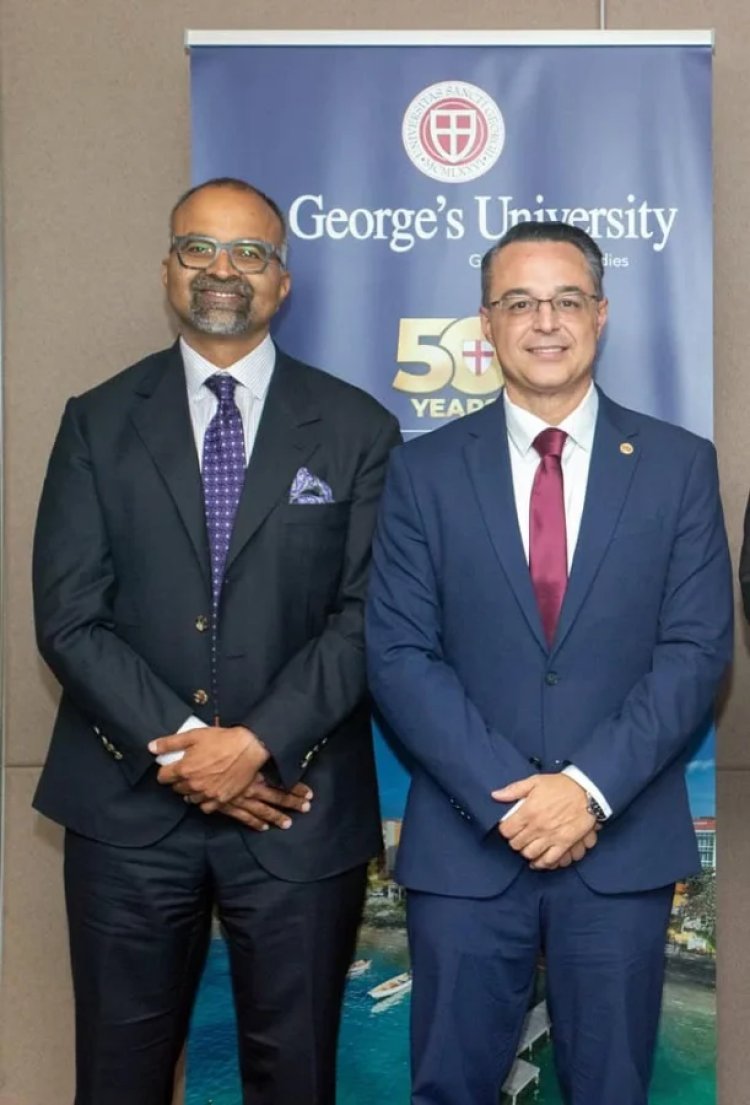
Also speaking with The PUNCH, Dr Gaurov Dayal, the Chief Executive Officer, Medforth Global Healthcare Education, the group that operates the university, said the shortage of physicians was a global challenge, but particularly pronounced in countries such as Nigeria.
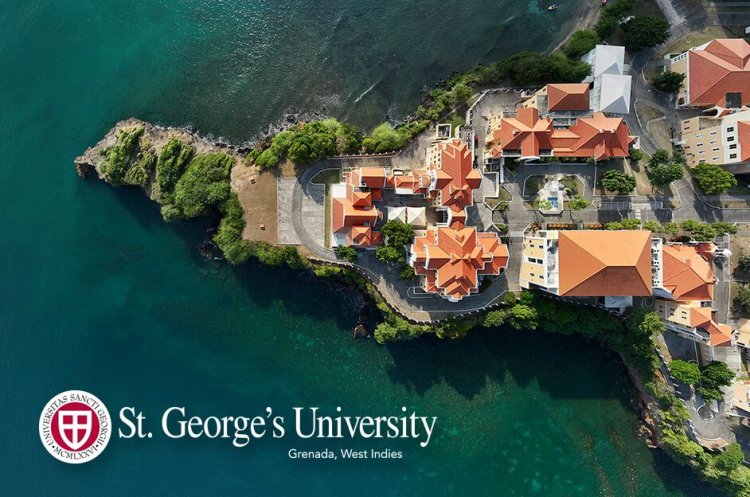
Dayal said St. George’s University, which is marking its 50th anniversary, was seeking to expand access to medical education by providing an additional route for students who could not secure places in their home countries.
He argued that the university’s training pathway should be seen as adding to the supply of doctors rather than taking medical personnel away from Nigeria.
According to him, students trained by the institution include Nigerians who might otherwise not have had the opportunity to study medicine because of limited spaces in local medical schools.
Loukas said the university also encouraged international students to maintain links with their home countries through research projects and clinical opportunities addressing local health challenges.
He cited its work in Botswana, where the university had supported public health projects focused on malaria, as an example of how research could be tailored to the needs of students’ countries of origin.
On how the institution maintained academic standards among students from different educational backgrounds, Loukas said it operated a common curriculum for all students, regardless of their countries of origin.
He said the diversity of its student population also enriched classroom discussions, as students brought different experiences and knowledge of health challenges in their respective countries.
Explaining the admission pathway for Nigerians, Loukas said applicants were assessed through their academic records and an interview, with admission officers advising them on the appropriate entry route.
He said students could undertake a two-year pre-medical programme in Grenada or at Northumbria University in Newcastle, United Kingdom, where the university has partnered since 2007, before proceeding to the medical degree programme.
He, however, pointed out that the pre-medical component varies in length according to prior qualifications, such that applicants holding a relevant degree may enter the four-year MD directly.
The university also offers scholarships to eligible students, although Loukas said the support depended on individual circumstances and the assessment of each applicant.
On the cost of medical education, he said the pre-clinical programme cost about $22,500 per term, while the full pathway could involve two years of pre-medical studies and four years of medical training.
He, however, pointed out that the rates vary across the pre-clinical, Basic Sciences and Clinical phases.
He noted that the overall financial commitment would vary depending on scholarships, accommodation and other living expenses, advising prospective students and families to consult the university’s website for current fees.
The university also has an affiliation with the American University of Nigeria, Yola, which Loukas said gave eligible AUN students studying biomedical sciences, public health or nursing a structured admissions route into its medical degree programme, allowing them to begin their studies in Nigeria.
He said the university was open to considering a physical medical education presence in Nigeria if there was sufficient demand and a suitable environment, adding that partnerships with established Nigerian institutions could provide a foundation for such an arrangement.
On whether graduates could return to practise in Nigeria, Loukas said foreign-trained doctors were required to follow the process established by the Medical and Dental Council of Nigeria.
He explained that this included verification of their credentials through the Electronic Portfolio of International Credentials, sitting the MDCN assessment examination and completing the required housemanship and service obligations.
Addressing the role of technology in medical education, Loukas said artificial intelligence, virtual reality and simulation were increasingly being used to improve teaching and students’ understanding of medical concepts.
He said virtual reality could help students understand subjects such as anatomy and histology, while simulation exercises allowed them to practise clinical scenarios before encountering actual patients.
He also cited the use of artificial intelligence to generate personalised multiple-choice questions and flashcards for students who needed help with particular areas of their studies.
However, he maintained that technology could not replace direct patient contact, which remained essential to medical training.
Looking ahead, Loukas predicted that artificial intelligence would become increasingly integrated into medical practice, helping doctors improve diagnosis, access information, maintain medical records and reduce errors.
He said the technology could also improve patients’ access to health information and support preventive healthcare.
Dayal said the university had trained students from different parts of the world and regarded the expansion of medical education as part of the response to the global shortage of physicians.