UI VC Highlights University’s Role in Continental and International Research Collaborations
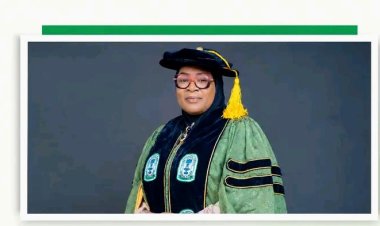
The Vice-Chancellor of the University of Ibadan, Professor Kayode O. Adebowale, mni, FAS, fspsp, has said the University remains an active partner in continental and international collaborations, particularly initiatives that align with its mission of advancing academic excellence and societal transformation.
 Philip22

The Vice-Chancellor of the University of Ibadan, Professor Kayode O. Adebowale, mni, FAS, fspsp, has said the University remains an active partner in continental and international collaborations, particularly initiatives that align with its mission of advancing academic excellence and societal transformation.
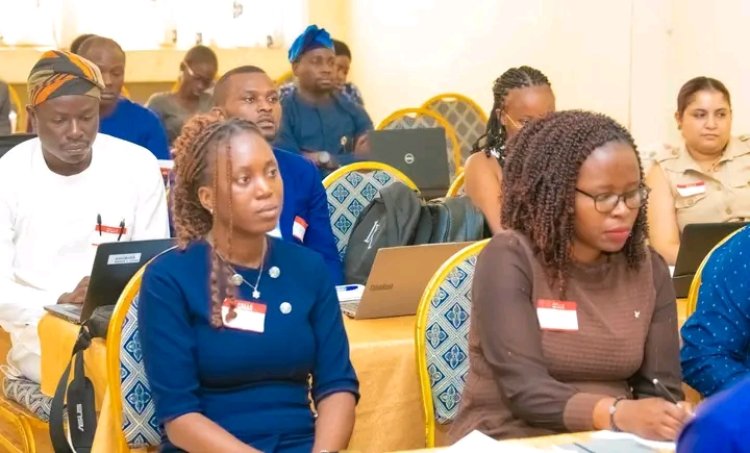
Professor Adebowale made the statement at a special session of the Access Nigeria Research Summer School (ANRSS 2026).
He said the core mission of the University of Ibadan was to serve as a beacon of academic excellence and a catalyst for societal transformation, adding that hosting the Summer School was part of the University’s commitment to fulfilling its mission through international partnerships.
The Vice-Chancellor described the ACCESS project as more than a programme, noting that it represents a vision for the future of Africa and is coordinated by Leipzig University.
He said the initiative demonstrated what could be achieved when institutions across borders unite to address shared challenges.
Professor Adebowale identified the four pillars of the project as Capacity Building, University-Business Linkage, Employability Research, and the African German Entrepreneurship Academy.
According to him, these interventions are aimed at addressing high unemployment rates among African graduates and unlocking the continent’s potential.
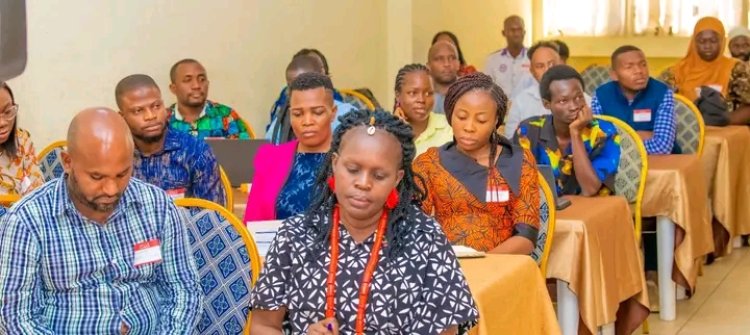
He said ACCESS is recognised as a leading EU-AU Research and Innovation success story, with approximately 50,000 Bachelor’s, Master’s and PhD students expected to benefit from innovative measures implemented across partner institutions, thereby contributing to changes in the higher education landscape in Africa.
Professor Adebowale reminded students drawn from partner institutions across Africa that their participation in the Summer School reflected the changing demands of the modern research landscape.
He noted that research could no longer be driven solely by academic curiosity, stressing that researchers must produce work that is rigorous, methodologically sound, impactful and fundable.
The Vice-Chancellor expressed the hope that by the end of the programme, participants would have developed not only draft research proposals but also received detailed and personalised feedback from experienced academics, grant reviewers and programme officers.
He said the experience would equip the participants with practical skills needed to transform their research ideas into reality.
Professor Adebowale therefore urged the participants to use the opportunity to build relationships and networks that could contribute to shaping the research and innovation agenda of Africa and beyond.
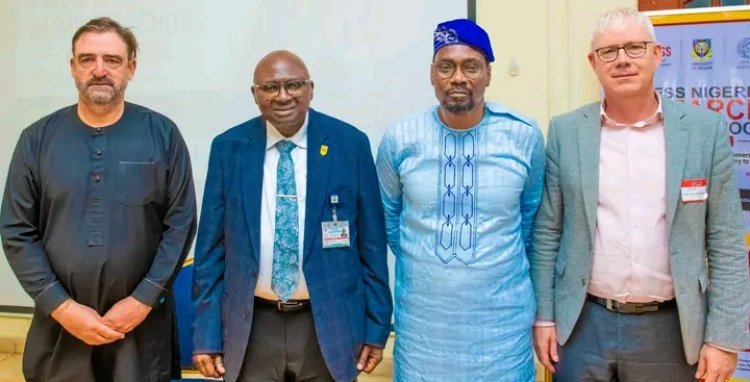
The ACCESS Project Lead and former Acting Vice-Chancellor of the University of Ibadan, Professor Adebola B. Ekanola, said the theme of the Summer School, “Empowering the Next Generation of Researchers: From Inquiry to Impact,” was carefully selected to harness the power of collaboration, innovation and impact through research.
Professor Ekanola acknowledged the funding support received from the DAAD through the German Federal Ministry for Development and disclosed that the Summer School was designed to run for 10 days.
He further disclosed that the Consul-General of the German Embassy in Nigeria, Daniel Krull, was designated to deliver a keynote address at the special session on the topic, “Strengthening German-Nigeria Relationship Through Research.”
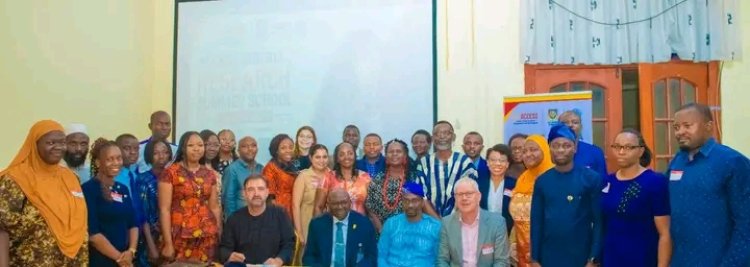
Students from partner universities in Ghana, Tunisia, Kenya, Rwanda, Ethiopia and the Republic of Benin are participating in the Summer School.