IAUE Inaugural Lecturer Calls for Ethical AI Applications Reflecting African Realities
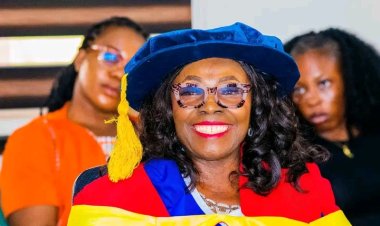
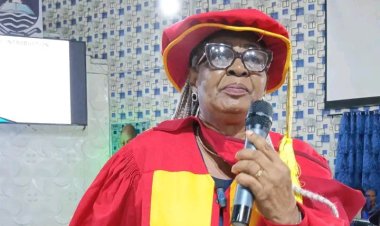
Professor Tamunodienye Nkechi Mba of the Department of Curriculum Studies (Teacher Education), Ignatius Ajuru University of Education (IAUE), Rumuolumeni, Port Harcourt, Rivers State, has called for the development and adoption of ethical artificial intelligence applications that reflect African realities while engaging with global technological developments.
 Philip22
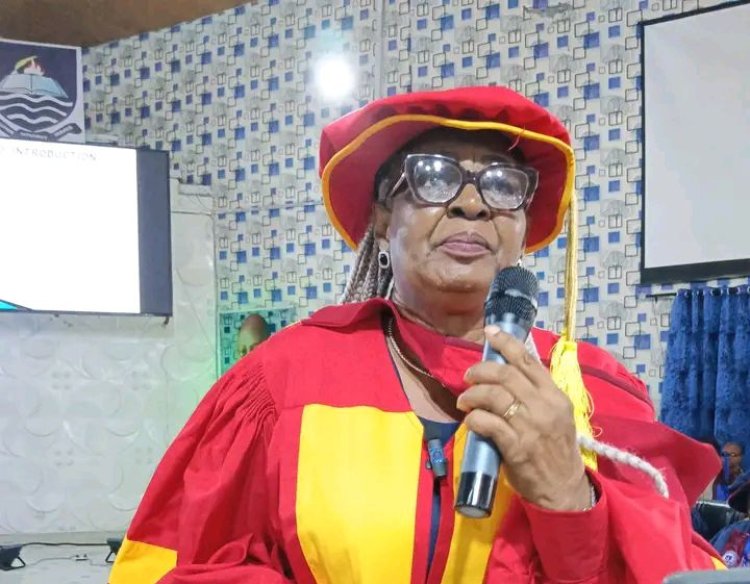
Professor Tamunodienye Nkechi Mba of the Department of Curriculum Studies (Teacher Education), Ignatius Ajuru University of Education (IAUE), Rumuolumeni, Port Harcourt, Rivers State, has called for the development and adoption of ethical artificial intelligence applications that reflect African realities while engaging with global technological developments.
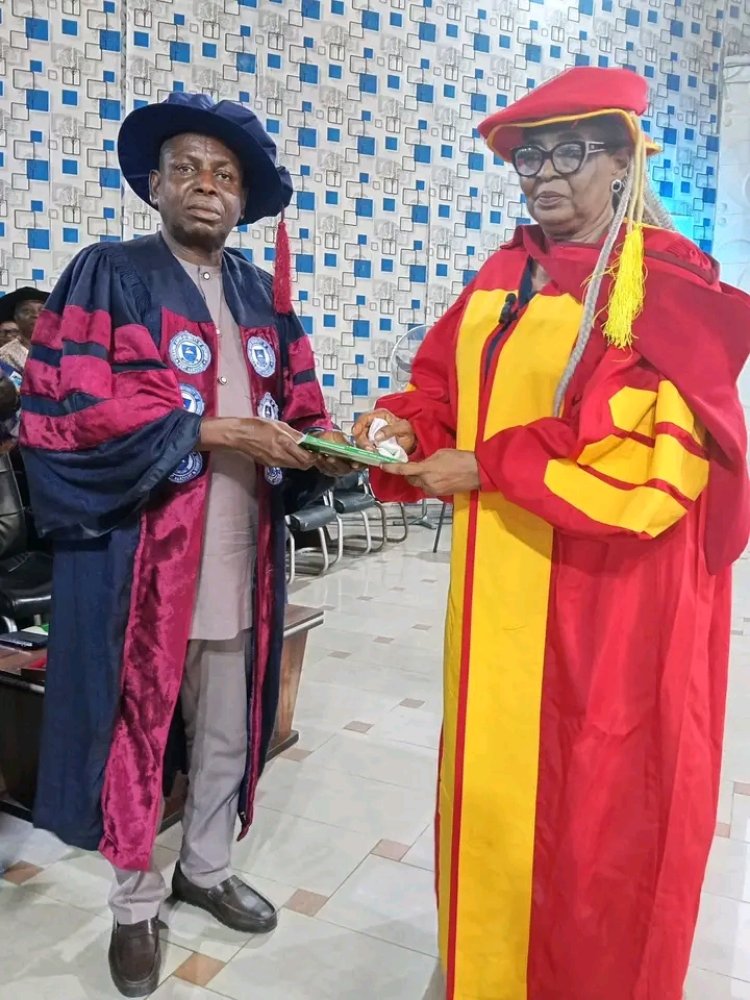
Professor Mba made the call while delivering the 86th Inaugural Lecture of the University at the University Auditorium on Thursday, September 24, 2026.
Speaking on the topic, “Surviving the Education Earthquake: Curriculum Transformation in the Era of Digitization, Pandemic and Artificial Intelligence,” she stressed the need for institutions to become producers of indigenous knowledge, context-sensitive innovations and culturally responsive curricula rather than remaining consumers of imported educational models and digital technologies.
The Professor of Curriculum Studies (Teacher Education) noted that although artificial intelligence would continue to expand the possibilities available to education, intelligent systems could not replace the distinctively human aspects of education, including wisdom, compassion, ethical reasoning, cultural awareness, inspiration, mentorship and the capacity to develop character.
She acknowledged that artificial intelligence could support personalised instruction, automate administrative tasks, facilitate assessment and increase access to knowledge, but maintained that these capabilities should complement rather than replace the human role in education.
According to Professor Mba, rather than competing with artificial intelligence, teachers of the future should distinguish themselves through the human qualities that technology cannot match.
She said future educational systems must be designed to withstand unanticipated global challenges, including economic instability, environmental disasters, public health emergencies and technological changes.
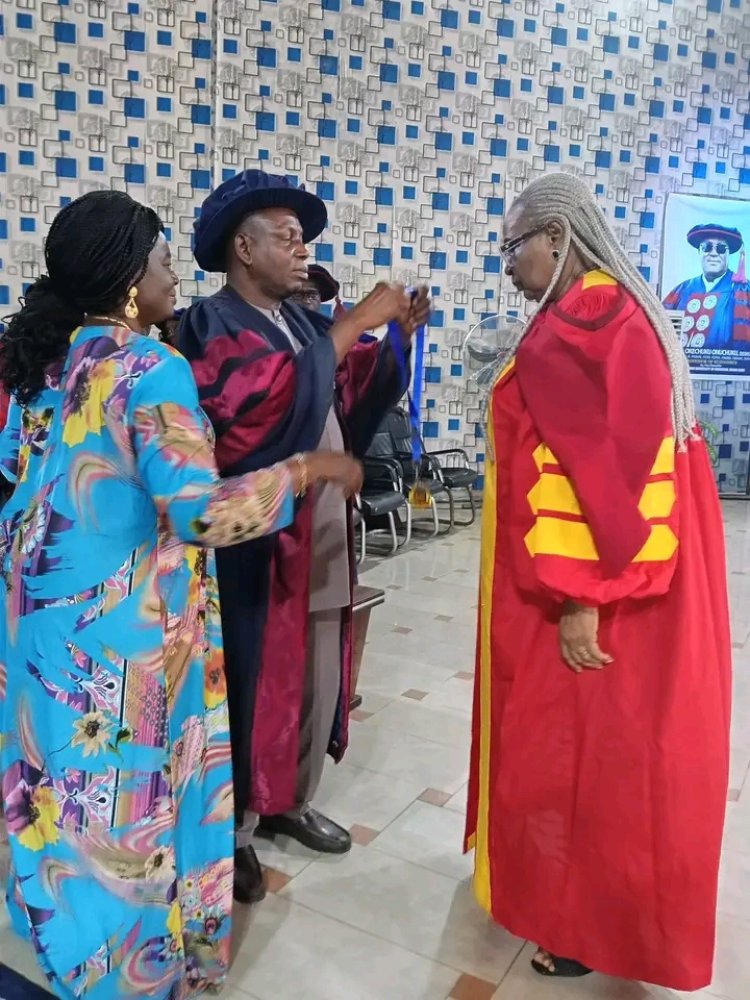
Professor Mba insisted that the development and implementation of curricula must be characterised by flexibility, adaptability, inclusivity and sustainability. She explained that educational resilience should be regarded as a permanent component of curriculum design rather than an emergency response.
For the Professor of Curriculum Studies (Teacher Education), curriculum should serve as a strategic tool for sustainable development, social cohesion, innovation and national competitiveness.
She urged curriculum scholars to continue pushing the boundaries of knowledge through creative and relevant research, while encouraging teacher educators to develop professionals who are flexible, introspective, technologically proficient and deeply committed to education’s transformational goal.
The 86th Inaugural Lecturer called on legislators to make strong investments in digital infrastructure, teacher development, curriculum renewal and responsible artificial intelligence governance.
She also urged educational institutions to foster cultures of creativity, teamwork and continuous development, and encouraged educators to embrace change with confidence rather than fear, noting that humanity remains education’s most valuable asset.
Professor Mba enjoined the new generation of scholars to remember that the greatest value of research lies not only in publications but also in the lives it affects, the institutions it strengthens, the policies it influences and the optimism it inspires.
She noted that scholars who are prepared to challenge assumptions, adopt interdisciplinary approaches and develop educational solutions that address both regional realities and global challenges would shape the future of Curriculum Studies.
The Professor of Curriculum Studies (Teacher Education) described curriculum as a social transformation plan, a philosophy of national growth and a pact between generations, adding that teacher education is the engine through which curriculum is sustained.
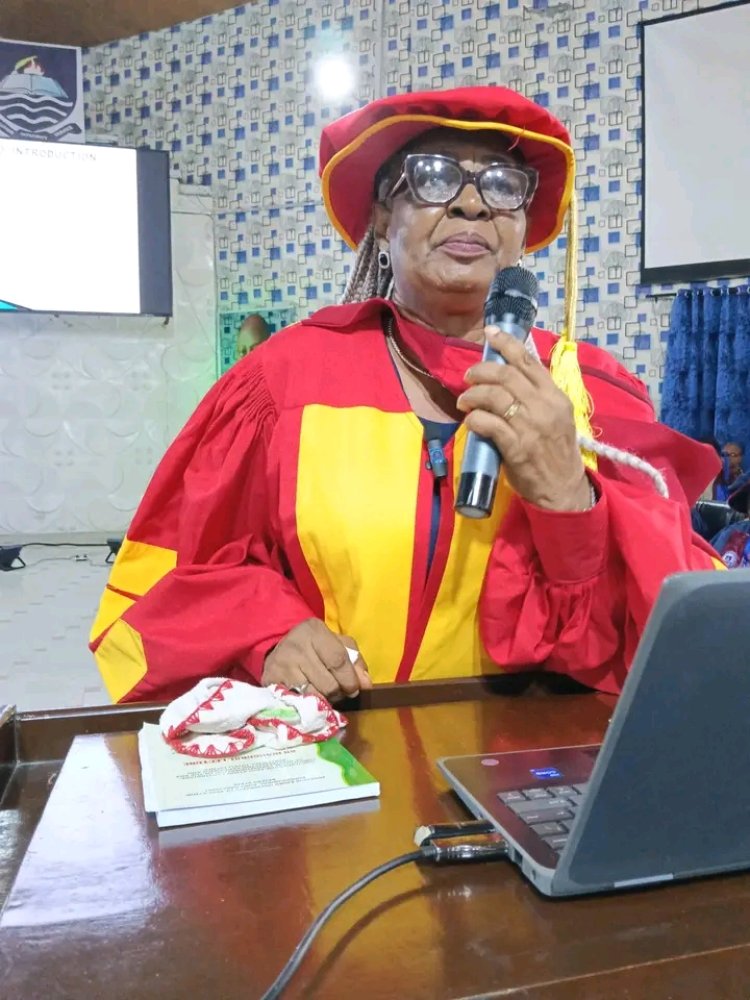
She expressed optimism that the ideas presented during the lecture would stimulate discussions, encourage further research, influence legislative changes and promote collaboration towards creating educational systems that are resilient, innovative, egalitarian and compassionate.
While noting that the educational landscape had been permanently altered by what she described as an “education earthquake,” Professor Mba said the focus should shift from repairing what had been damaged to rethinking what education could become.
She proposed that curriculum should satisfy five fundamental conditions: relevance, responsiveness, resilience, readiness and responsibility. She also advocated a shift from static curricula to adaptive models capable of surviving the continuing tremors affecting education.
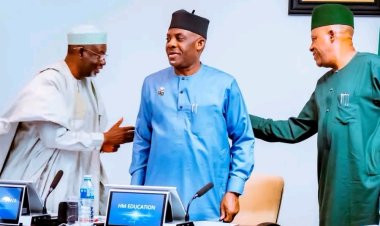
Earlier, the Vice-Chancellor of IAUE, Professor Okechukwu Onuchuku, represented by the Director, Academic Planning Unit, Professor Joseph Kinanee, and the Registrar, Dr. Chinonye Abraham Ajie, represented by the Director, Exams and Records, Barrister T. T. Minaiyo, commended the 86th Inaugural Lecturer for her insightful and in-depth presentation.
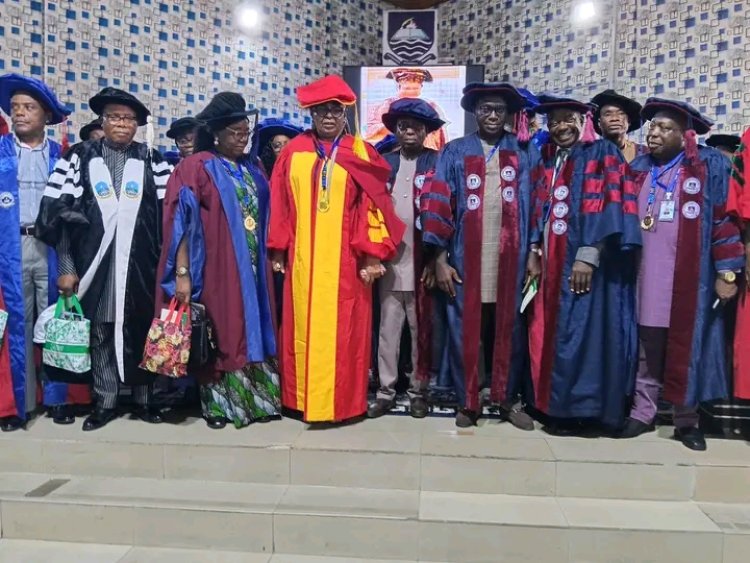
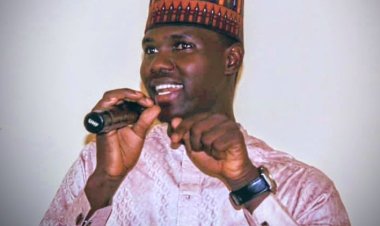
Professor Mac-Afisa Jaja expressed gratitude to all those who found time to attend the occasion.