KWASU Joins Consortium of Medical Schools in Africa to Boost Medical Education and Research
Kwara State University (KWASU), Malete, has been admitted as a member of the Consortium of Medical Schools in Africa (CoMSA), a development expected to strengthen the institution’s medical education, research collaborations, and global visibility.
 Philip22
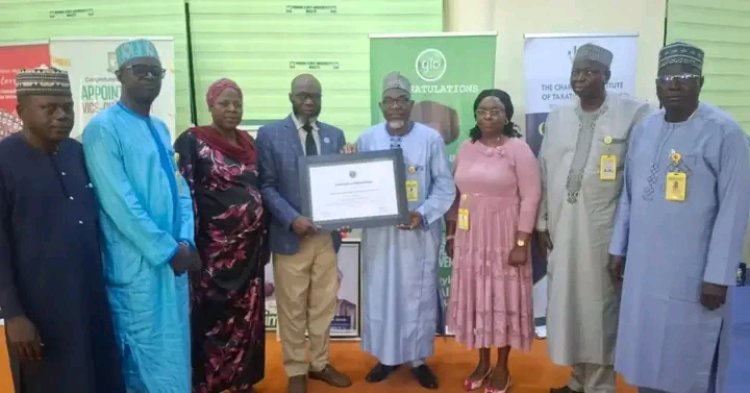
Kwara State University (KWASU), Malete, has been admitted as a member of the Consortium of Medical Schools in Africa (CoMSA), a development expected to strengthen the institution’s medical education, research collaborations, and global visibility.
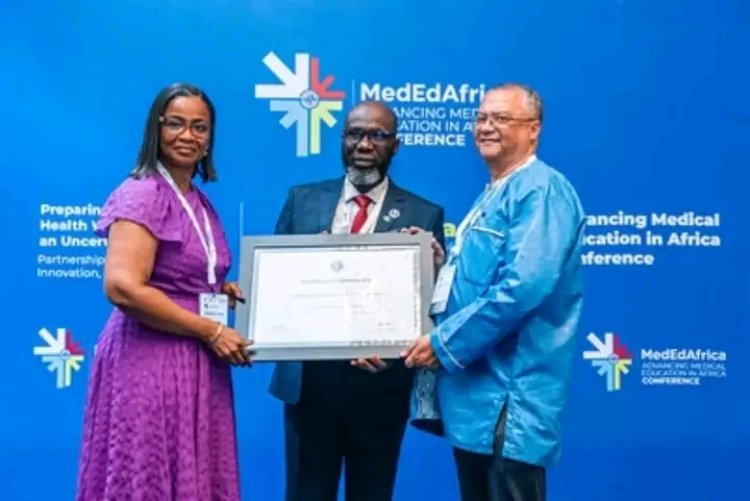
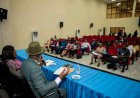
The Provost of the College of Health Sciences, Prof. Moyosore Salihu Ajao, received the certificate of membership on behalf of the University during an event in Addis Ababa, Ethiopia.
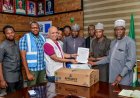
He later presented the certificate to the Vice-Chancellor of KWASU, Prof. Shaykh-Luqman Jimoh, and members of the University Management team at the Vice-Chancellor’s office on Monday, July 20, 2026.
Expressing delight over the achievement, Prof. Jimoh described KWASU’s membership of CoMSA as another indication of the growing reputation of the University’s medical programme and the institution as a whole.
The Vice-Chancellor also congratulated Prof. Ajao on his appointment as a member of the CoMSA Audit Panel Committee, describing the recognition as a testament to his commitment and contributions to medical education.
The Consortium of Medical Schools in Africa (CoMSA) is a network of medical schools across Africa established to promote medical research, training, and exchange programmes among member institutions.
The consortium focuses on strengthening medical education through curriculum harmonisation, accreditation standardisation, and the co-development of locally relevant health professional training programmes aimed at addressing Africa’s healthcare needs.
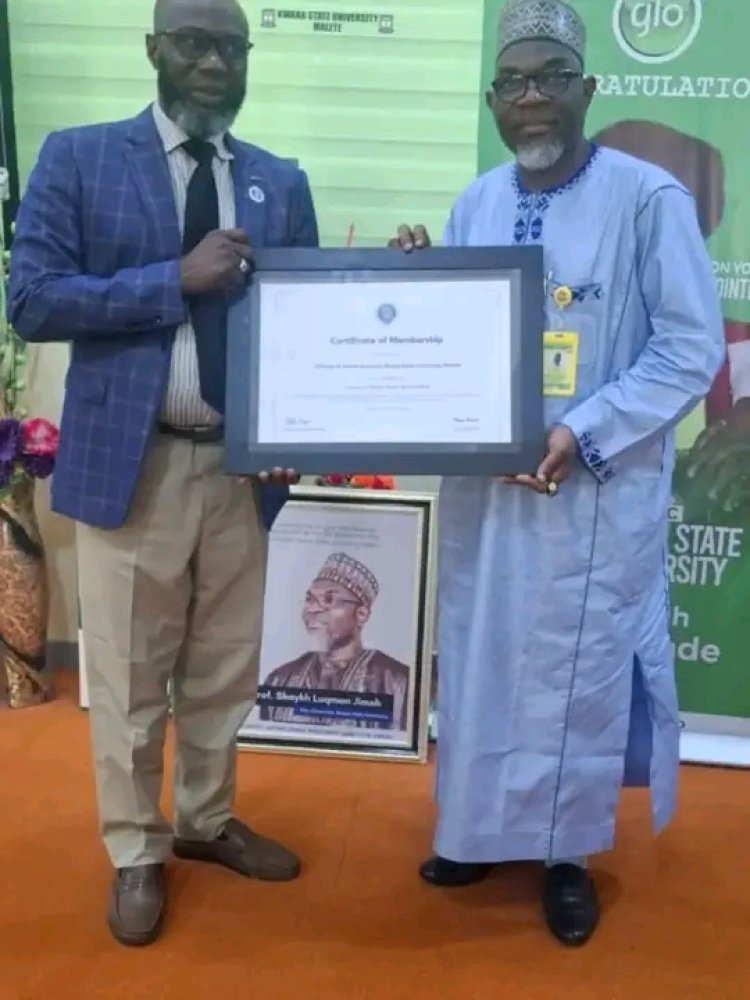
With its membership of CoMSA, KWASU is expected to benefit from increased academic collaborations, research opportunities, access to grants, exchange programmes, and enhanced institutional visibility within the African medical education community.