OAUTHC 9th Grand Round: Experts Highlight Sickle Cell Awareness, Newborn Screening
OAUTHC 9th Grand Round: Experts Highlight Sickle Cell Awareness, Newborn Screening
 UmarFarouk123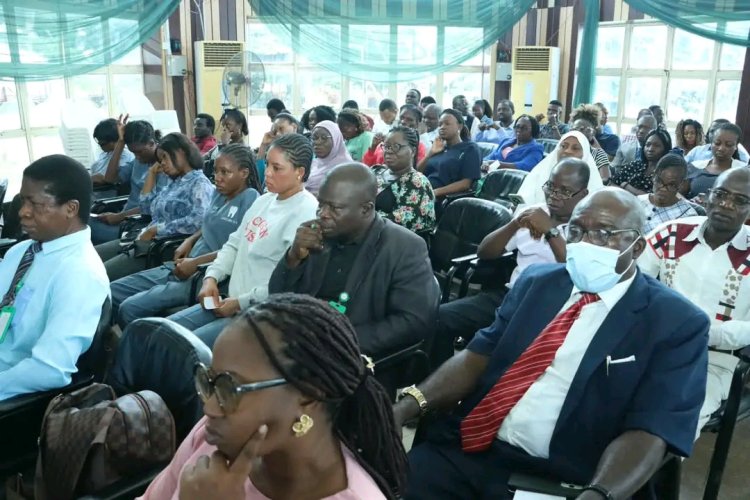
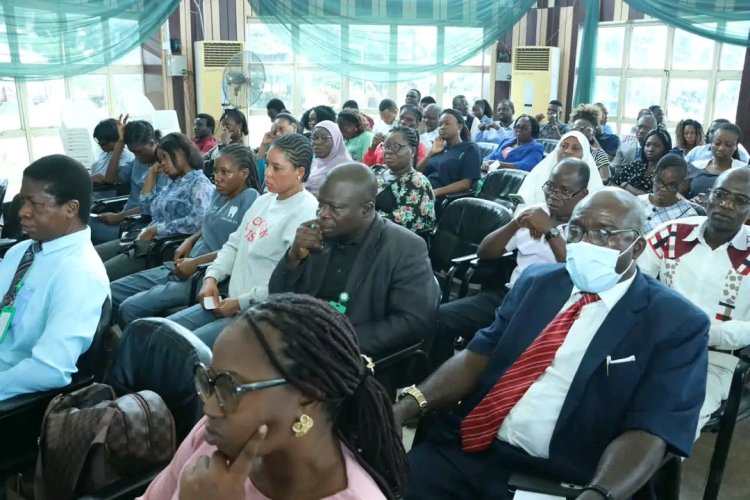
The Clinical Services Department of the Obafemi Awolowo University Teaching Hospitals Complex (OAUTHC), Ile-Ife, held its 9th Grand Round on Tuesday, August 18th, 2026, with the theme, “Understanding Sickle Cell Anaemia: Importance of Newborn Screening.” The programme featured five health professionals who shared insights on improving knowledge and reducing the burden of sickle cell disease.
In his opening remarks, the Chief Medical Director, represented by the Deputy Chairman, Medical Advisory Committee, Professor Olalekan Olasehinde, commended the Clinical Services Department for sustaining the programme. He described the Grand Round as a platform for addressing healthcare challenges and urged other departments to prepare presentations for subsequent sessions to share research findings and innovations.
The first lecture, “Case Presentation and Clinical Experience in a Paediatric Setting,” was delivered by Dr. Olufemi Adefehinti, the Sickle Cell Multidisciplinary Team Lead, alongside another member of the team. They stated that Sickle Cell Anaemia (SCA) constitutes 2–3 per cent of the total population, while 20–30 per cent have the sickle cell trait (AS). They stressed that good hydration, a healthy diet, good hygiene and prompt treatment of fever and infections could enable more than 95 per cent of children to survive beyond five years, urging adults to know their genotype.
Dr. Ibrahim Awowole, Consultant Obstetrician and Gynaecologist, addressed prenatal diagnosis of sickle cell disease, stressing careful, non-directive counselling, a documented plan and early identification of at-risk couples.
Mr Joshua Amos Rotimi, Scientific Officer, discussed “Screening of Haemoglobin Types via Isoelectric Focusing.” He described newborn screening as a public health programme for early detection of serious genetic conditions. He noted that 2–3 per cent of Nigerians are affected by SCD, with 150,000 newborns diagnosed annually, highlighting early detection, higher resolution, sensitivity and reliability as advantages of Isoelectric Focusing.
Dr. Mary Agim, Consultant Haematologist, discussed the transition clinic and support group for sickle cell disease, noting the challenges adolescents face when moving from child-oriented to adult healthcare. She urged management to establish transition clinics for chronic diseases, including sickle cell disease and Type 1 diabetes mellitus.
Mrs Oluwatosin Adepoju, Haemoglobinopathy Counsellor, spoke on “Counselling, Tracking and Follow-up of Sickle Cell Disease Patients and Caregivers.” She stressed the importance of follow-up in health education, treatment reinforcement and emotional and psychological support. She also highlighted caregivers’ roles in medical appointments, care routines and emotional support, which contribute to improved patient outcomes and quality of life. She further urged the management to establish a transition clinic for patients with chronic conditions such as sickle cell disease and Type 1 diabetes mellitus, to support adolescents moving from child-oriented to adult healthcare.
During an interactive session, Professor Nora Akinola explained the distinction between haemoglobin disease, involving combinations that cause painful crises, and haemoglobin disorder, a broader term covering diseases and non-disease conditions. She stressed that early diagnosis saves lives by enabling preventive treatment before complications develop.
The event ended with the presentation of certificates to members of the Sickle Cell Multidisciplinary Team in recognition of their impactful presentations.