Schools Resume Across Nigeria as Concerns Grow Over Teachers’ Pay and Working Conditions
Nigerian schools are reopening for the 2026/2027 academic session amid renewed concerns over teacher welfare, low salaries, heavy workloads, teacher shortages and overcrowded classrooms
 judithhh
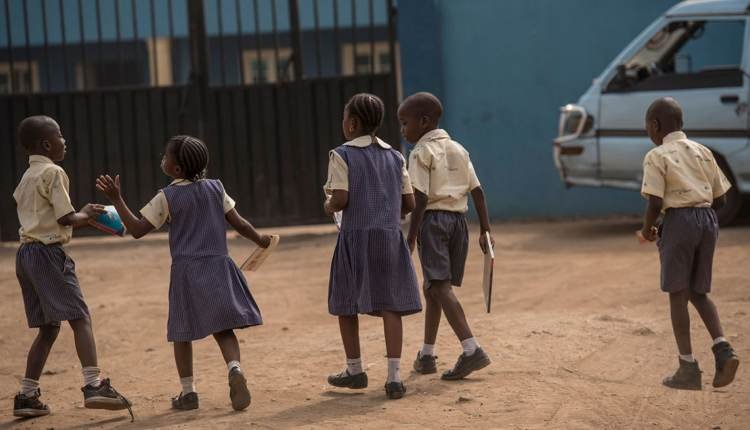
Nigerian schools reopen for the 2026/2027 academic session, concerns over low teacher salaries, shortages, heavy workloads and education quality grow.
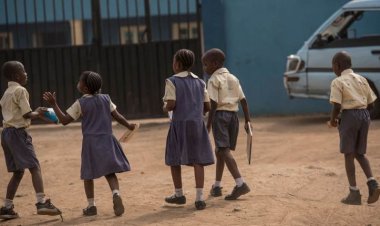
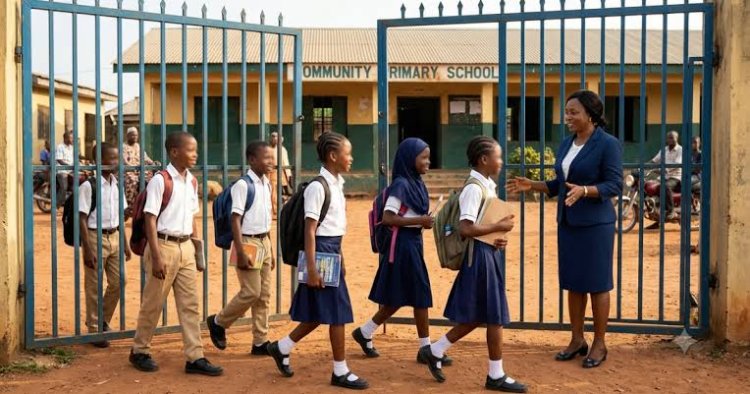
As primary and secondary schools reopen for the 2026/2027 academic session across several states in Nigeria, concerns over school fees, uniforms, textbooks, transportation and students’ readiness have dominated conversations among parents and education stakeholders.
But beyond the familiar back-to-school pressures, concerns over the welfare and working conditions of teachers are drawing renewed attention, with questions emerging over whether Nigeria can achieve meaningful improvements in learning outcomes without adequately supporting the workforce responsible for educating millions of children.
Lagos, Oyo, Ogun and Ekiti are among the states that have scheduled September 14, 2026, for the commencement of the new academic session. Federal Unity Colleges nationwide are also expected to resume on the same date, while states including Osun, Ondo and Kwara are operating according to their respective approved academic calendars.
The widespread resumption has once again placed the teaching workforce at the centre of discussions about the country’s education system, particularly amid persistent concerns over teacher shortages, overcrowded classrooms and uneven working conditions.
One of the concerns highlighted in parts of the private-school sector is the payment of extremely low salaries to some teachers.
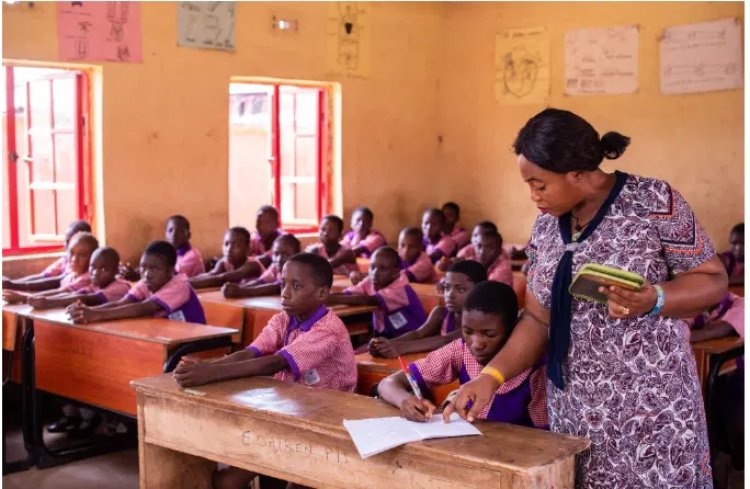
Reports indicate that some private-school teachers earn as little as ₦25,000 per month, despite being required to prepare lesson notes, teach multiple subjects, mark students’ work, supervise pupils, attend meetings and perform other administrative duties.
While teaching more than one subject can be common, particularly in some primary-school settings, education stakeholders say the combination of low pay, excessive workloads, large classes and inadequate staffing can undermine the quality of teaching.
In such circumstances, schools may remain open and students may attend classes regularly, but teachers could have limited time and resources to prepare adequately or give individual attention to learners.
Public schools across the country continue to grapple with teacher shortages, overcrowded classrooms, inadequate infrastructure, security concerns and gaps in recruitment and professional development.
The situation presents a two-sided challenge for education authorities: attracting and retaining qualified teachers while ensuring that those already working in the system have the resources, remuneration and professional support needed to perform effectively.
Education observers warn that teachers who are poorly paid, overworked or operating in difficult environments may find it increasingly difficult to maintain the level of preparation and classroom engagement expected of them.
Low remuneration can encourage qualified educators to seek better-paying opportunities, contributing to staff turnover and disruption in schools. Heavy workloads may also reduce the time available for lesson preparation, assessment and meaningful interaction with students.
Over time, persistent challenges within the teaching workforce could affect students’ ability to develop the knowledge, critical-thinking skills, creativity and practical competencies needed to compete in a changing economy.
Government authorities are expected to strengthen school inspection, enforce minimum standards, recruit adequate numbers of teachers and provide appropriate remuneration and professional development for educators in public schools.
Private-school proprietors, meanwhile, face calls to develop sustainable staffing and salary structures rather than treating teachers primarily as an operating cost.
Parents also have a role to play by looking beyond tuition fees when assessing schools. Questions about teacher qualifications, class sizes, staff turnover and general learning conditions can provide a clearer picture of the quality of education a school offers.
Teachers, for their part, are expected to maintain professional standards and remain accountable for the quality of instruction they provide.
Education advocates say teacher welfare should be treated as an integral part of education policy rather than solely as a labour-related issue.
They argue that state education authorities should regularly assess both public and private schools, including teacher-to-student ratios, workloads, qualifications and employment conditions.
Schools should also ensure that teachers are assigned according to their competencies and subject requirements, while providing opportunities for continuous professional development.
For private schools charging substantial fees, stakeholders say parents should reasonably expect school resources to be invested in qualified and fairly compensated teaching staff.
As classrooms reopen across Nigeria, the success of the 2026/2027 academic year may therefore need to be measured by more than the number of schools that open their gates or students who return to class.
The quality of the teaching taking place inside those classrooms could prove just as important.
For a country seeking better educational outcomes, the welfare, preparation and professional capacity of its teachers remain critical factors in determining whether students receive not just certificates, but the knowledge and skills needed for their future.