UI University Librarian Advocates Inclusive Access to Library and Information Services
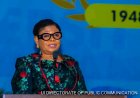
The University Librarian of the University of Ibadan, Dr Mercy Iroaganachi, has called for greater access, accessibility and inclusivity in library and information services.
 Philip22
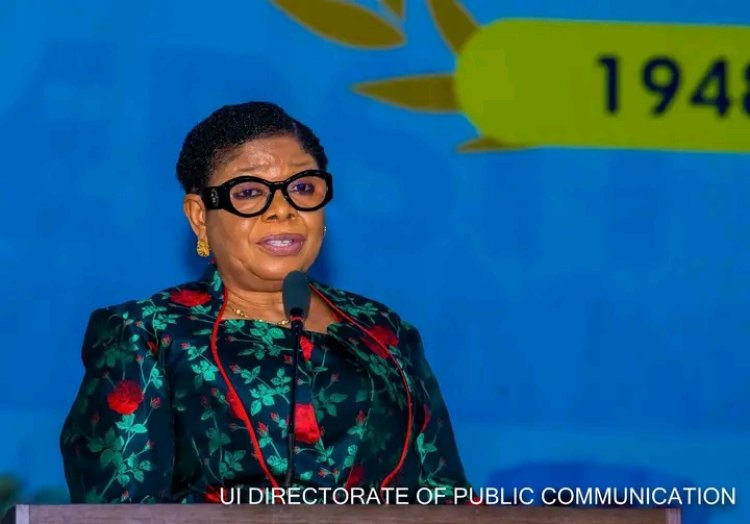
The University Librarian of the University of Ibadan, Dr Mercy Iroaganachi, has called for greater access, accessibility and inclusivity in library and information services.
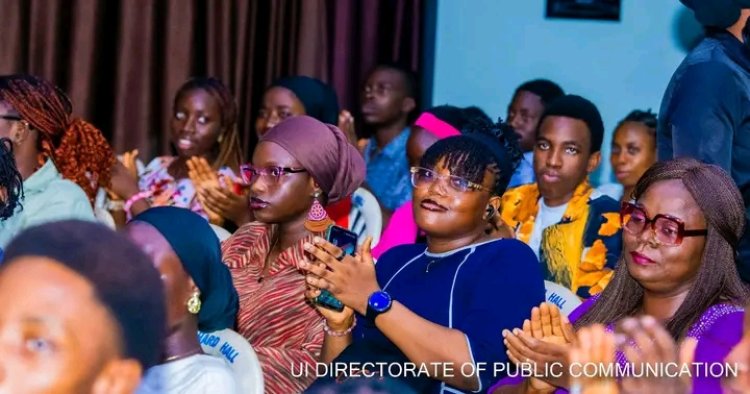
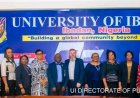
She made the call on behalf of the Vice-Chancellor, Professor Kayode O. Adebowale, mni, FAS, fspsp, at the opening of the 2026 International Conference of the Department of Library, Archival and Information Studies (LARIS), Faculty of Education, University of Ibadan.
Dr Iroaganachi said the theme of the conference, “Access, Accessibility and Inclusivity in Library and Information Services,” was apt, stressing that no learner or researcher should be left behind in the digital age.
She challenged stakeholders to examine who has access to knowledge, who can meaningfully use it and who remains excluded. She stated that libraries should be regarded not merely as buildings or collections of books, but as institutions that facilitate intellectual discovery and create educational and social opportunities.
According to her, the effectiveness of a library should be measured not only by the size of its collection but also by the number of people it enables to discover, understand, create and share knowledge.
She explained that digital transformation had expanded opportunities for libraries by allowing students to access academic materials through mobile devices, giving researchers opportunities to use resources remotely, enabling scholars to collaborate across continents and allowing global audiences to leverage locally produced research.
The University Librarian, however, warned that technology could also become a barrier, citing the digital divide, high connectivity costs, inadequate infrastructure, limited funding and unequal digital skills as major challenges to information access in Nigeria.
She urged libraries to promote digital environments that are affordable, reliable and accessible while equipping users with digital literacy, research and information-evaluation skills.
Dr Iroaganachi cautioned that while technology would continue to change the tools of librarianship, the fundamental values of the profession must remain centred on people and knowledge.
The Dean of the Faculty of Education, Professor Kehinde O. Kester, described the conference theme as timely, noting that although libraries were traditionally regarded as “the people’s university,” many people remained excluded from information services.
He said persons with disabilities, students without reliable internet access and communities whose indigenous knowledge had not been adequately digitised continued to face significant barriers.
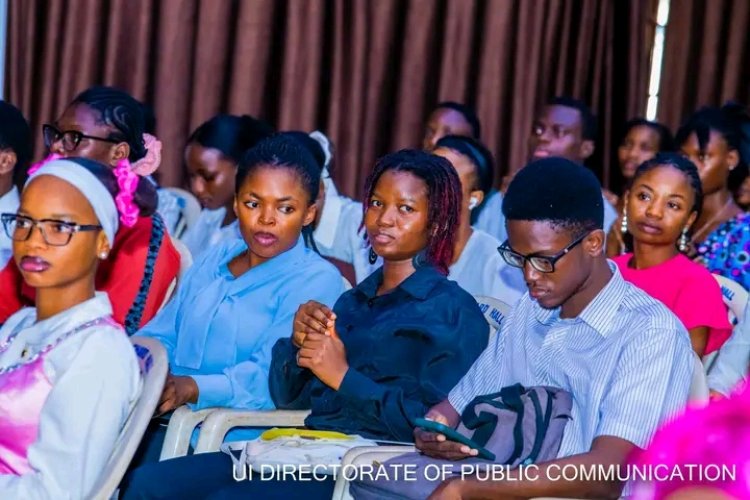
The Dean called for assistive technologies, inclusive collection development and universal design in library buildings and services.
He expressed confidence that the conference would identify gaps in access and accessibility and develop practical solutions, a communique and a checklist that libraries in Nigeria could adopt.
Earlier, the Head of the Department of Library, Archival and Information Studies, Professor Clement A. Akangbe, said the conference provided an opportunity to address contemporary barriers to information access.
He disclosed that the theme reflected the experiences of people excluded from information because of disability, poverty, inadequate connectivity and limited digital skills.
The Head of Department urged participants to consider whether libraries, archives and information services were truly serving everyone and what needed to change.
He said the success of the conference should be measured not only by papers presented but also by the ideas generated, relationships built and practical changes that followed.
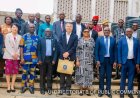
The keynote address was delivered by Professor Lenrie O. Aina, a former National Librarian of Nigeria, while His Excellency, Barrister Gbolarumi Hazeem, a former Deputy Governor of Oyo State, delivered a goodwill message at the ceremony.
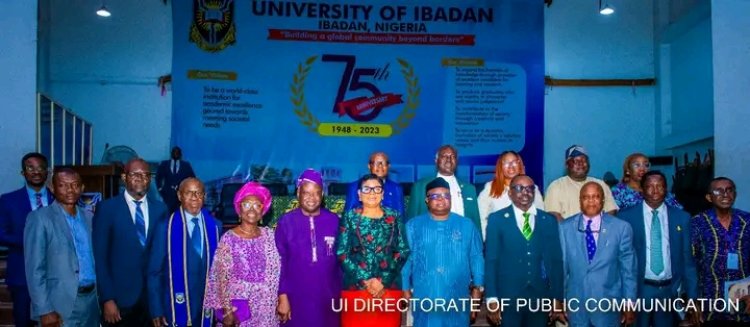
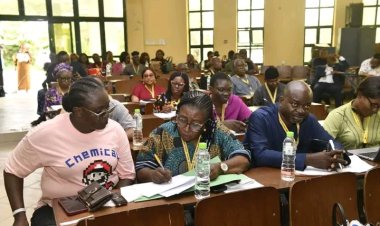
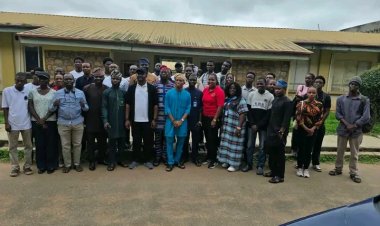
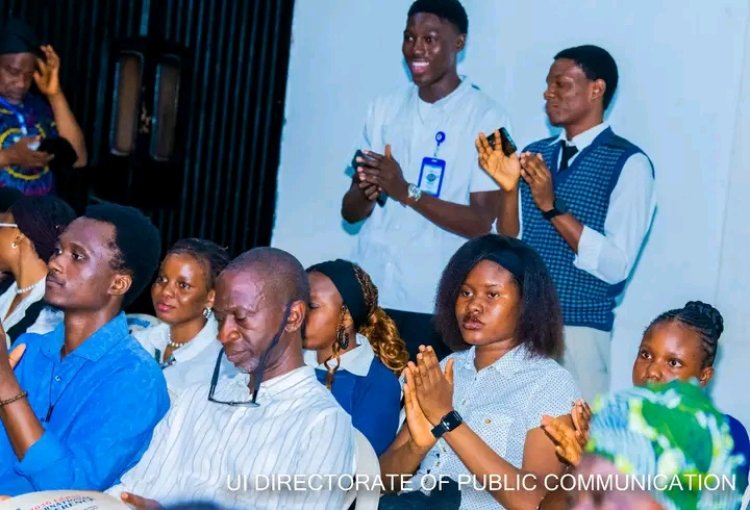
The conference brought together scholars, researchers, librarians, archivists, publishers, information professionals, students and other stakeholders. It also featured lead paper presentations and plenary sessions.