UI Vice-Chancellor Advocates Stronger Industry Partnerships to Enhance Graduates' Workplace Readiness
The Vice-Chancellor of the University of Ibadan (UI), Professor Peter O. Olapegba, C.Psych, FSSAN, FNPA, fspsp, has called for stronger partnerships among universities, industries, government, professional bodies and other stakeholders to equip graduates with the skills and competencies required to thrive in the evolving world of work.
 Philip22
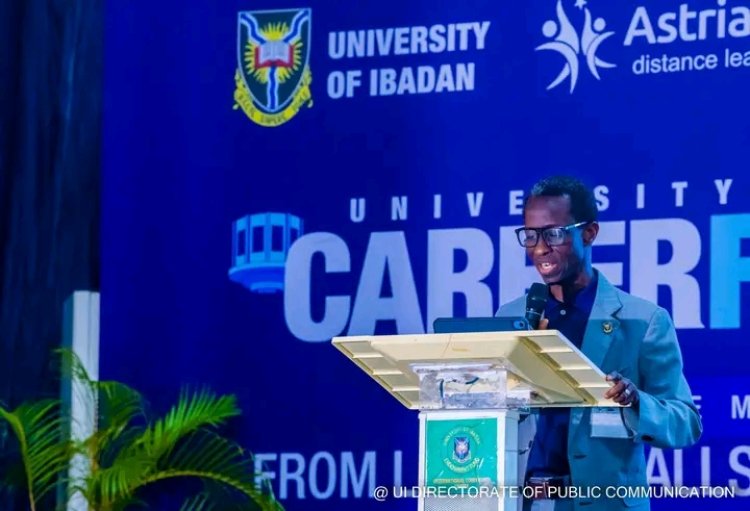
The Vice-Chancellor of the University of Ibadan (UI), Professor Peter O. Olapegba, C.Psych, FSSAN, FNPA, fspsp, has called for stronger partnerships among universities, industries, government, professional bodies and other stakeholders to equip graduates with the skills and competencies required to thrive in the evolving world of work.

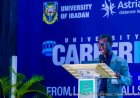
He made the call at the opening ceremony of the 2026 University of Ibadan Career Fair, organised in collaboration with Astria Learning and Optimus Bank.
Professor Olapegba described the annual Career Fair, themed “From Lecture Halls to Boardroom: Preparing UI Graduates for the Workplace”, as a signature programme of the University designed to expose students to the opportunities and challenges of the labour market and workplace after graduation.
He noted that stronger university-industry collaboration through internships, graduate trainee programmes, mentorship, collaborative research and industrial placements would help bridge the gap between university education and industry expectations.
He further explained that such engagements would provide the University with valuable feedback on the relevance of its academic programmes and the changing needs of employers, thereby creating opportunities to strengthen curricula and promote experiential learning.
The Vice-Chancellor consequently called on industry partners and prospective employers to deepen their engagement with the University through sustainable partnerships in curriculum development, practical training, mentorship, research collaboration, entrepreneurship development and structured employment pathways.
He also urged the University's alumni to support students by sharing professional experiences, providing mentorship, creating access to opportunities and helping young graduates navigate the transition from university life to the workplace.
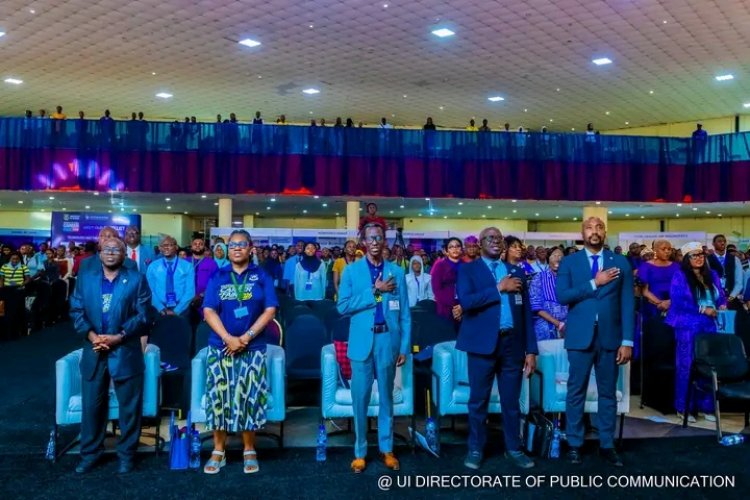
Reaffirming the University's aspirations, Professor Olapegba stated that UI remained committed to producing graduates who are not only employable but also adaptable, entrepreneurial, ethical and capable of creating value wherever they find themselves.
He noted that University of Ibadan graduates should be recognised not merely by the degrees they possess but also by the quality of their ideas, excellence of their work, integrity of their conduct and positive contributions to society.
Professor Olapegba stressed that employers increasingly seek graduates who can collaborate effectively, communicate clearly, exercise sound judgement and solve complex problems.
He therefore charged students not to wait until graduation before preparing for the workplace. Rather, they should embrace adaptability and innovation, acquire relevant skills, strengthen their character, cultivate meaningful professional relationships and remain open to learning.
In her opening remarks, the Deputy Vice-Chancellor, Research, Innovation and Strategic Partnerships, Professor Simisola O. Akintola, emphasised that academic qualifications alone were insufficient for career success, highlighting the importance of practical skills, adaptability, effective communication, innovation, professional judgement and ethical conduct.
She noted that preparing students for the workplace was a shared responsibility involving the University, employers, professional bodies, alumni and other stakeholders.
Professor Akintola therefore encouraged organisations to extend their engagement with the University beyond recruitment to include mentorship, internships, practical training, research collaborations and professional development programmes.
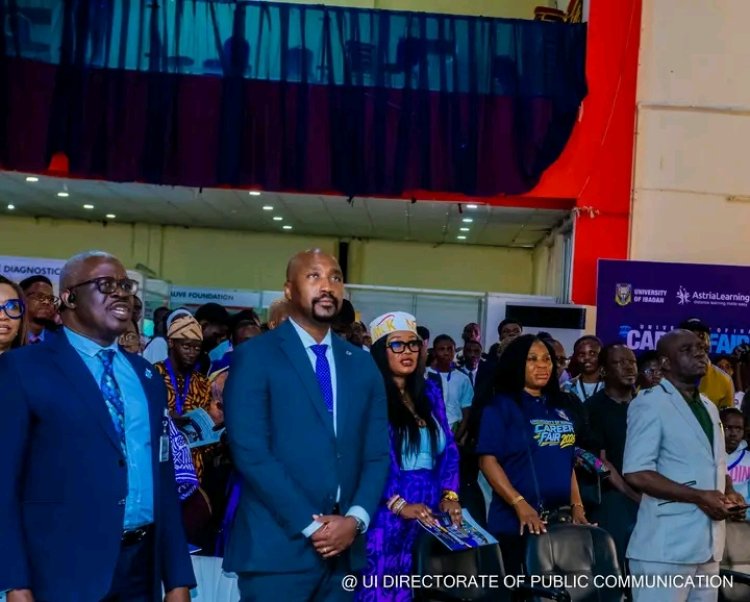
She described the Career Fair as an important platform for connecting academic knowledge with industry needs and expressed the hope that it would evolve into a sustainable channel for talent development, innovation and mutually beneficial partnerships.
Delivering the keynote address, the Chief Executive Officer of Astria Learning, Dr Jeff Bordes, urged students and graduates of the University to acquire practical, problem-solving and technology-driven skills beyond their academic qualifications to remain competitive in the evolving labour market.
Dr Bordes emphasised that possessing a university degree was no longer sufficient to guarantee employability, noting that employers were increasingly interested in candidates who could demonstrate their ability to solve problems, apply relevant tools and contribute immediate value to their organisations rather than merely present impressive academic credentials.
He explained that the growing adoption of artificial intelligence (AI) and automation was changing workplace expectations, making adaptability, critical thinking, creativity and the ability to apply knowledge more important than simply memorising information.
The Astria Learning CEO further noted that while technological competencies remained important, graduates must complement them with uniquely human capabilities, including sound judgement, communication, creativity and critical thinking.
He consequently encouraged students to move beyond identifying themselves solely by their courses of study and instead demonstrate the specific skills, tools and solutions they could bring to the workplace.
A Distinguished Alumnus Address was delivered by the Executive Director, Business Development, Stanbic IBTC Pension Managers Limited, Mrs Nike Bajomo, who emphasised the importance of financial discipline.
She noted that financial freedom was achieved through deliberate planning, consistent savings and wise investment decisions rather than the size of one's income.
In a partner address, the Executive Director of Optimus Bank Limited, Mrs Yewande Ige, encouraged students to maximise the opportunities provided by the Career Fair and take deliberate steps towards building their careers and advancing their professional development.
Similarly, the Executive Secretary of the Agency, Mrs Kudirat Mustapha, in a special address delivered on her behalf by Prince Adebowale Falana Adebayo, Chairman of the Oyo State Agency for Youth Development, urged graduates to develop relevant workplace skills, embrace leadership and participate actively in politics to contribute meaningfully to national development.
She identified the gap between theoretical learning and workplace expectations as a major challenge facing graduates and called on educational institutions to promote practical learning, entrepreneurship, internships, mentorship, digital skills acquisition and industry-based training.
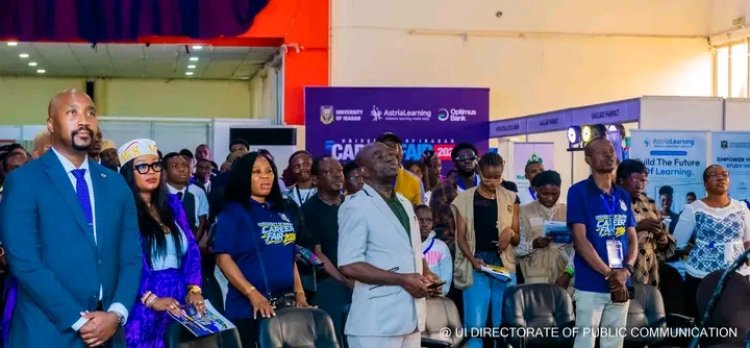
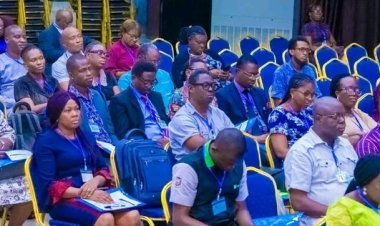
The Career Fair featured two panel discussion sessions, as well as interactions with participating companies at their respective exhibition booths, providing students with opportunities to connect with organisations and explore potential employment and internship opportunities.