UI Secures ₦1 Billion Endowment Fund to Support Long-Term Development
 Philip22
The University of Ibadan (UI) is set to receive a ₦1 billion endowment fund to support its long-term development and strengthen its financial sustainability.
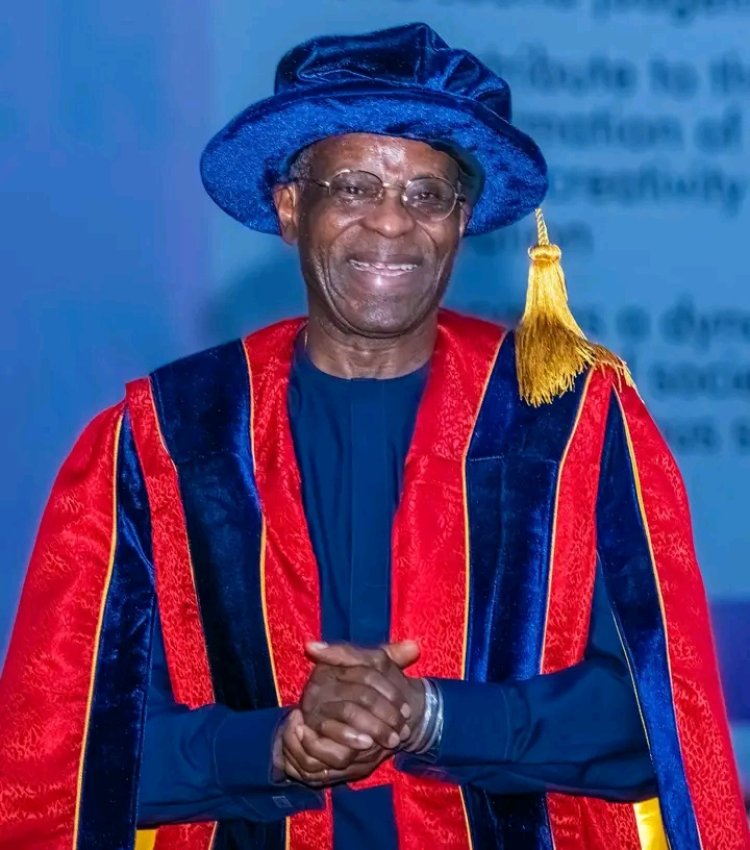
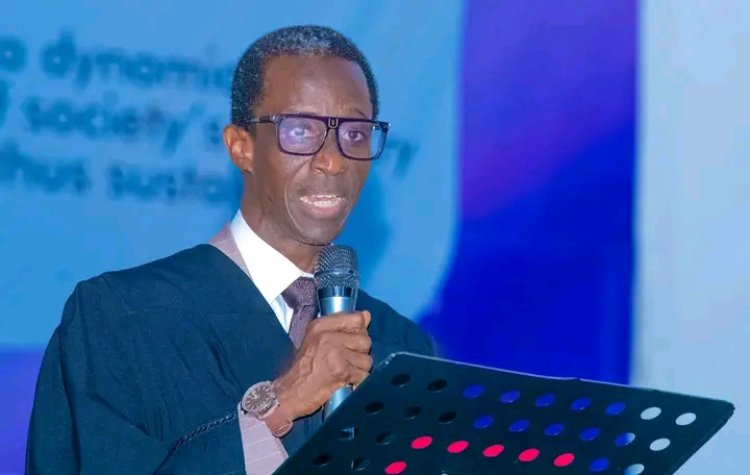
The donation was announced during the University's first 2026 Convocation Lecture by Dr Olayiwola Fatona, FNAPE, FNMGS, Chairman, Board of Directors, Renaissance Africa Energy Company Limited, Convocation Lecturer and distinguished alumnus of the University.
In his lecture, titled “Funding, Freedom and the Future of the Nigerian University: Why Academic Security Must Become a National Priority”, Dr Fatona called on the Federal Government and other stakeholders to make academic security a national priority.
He stressed that sustainable funding, institutional autonomy and academic freedom were essential to the future of Nigerian universities. He explained that academic security went beyond the provision of funds to encompass the freedom of universities to pursue knowledge, make independent decisions and fulfil their responsibilities without undue interference.
According to him, universities require a stable and supportive environment to contribute meaningfully to national development through teaching, research and innovation. He added that academic freedom and institutional autonomy must be underpinned by financial security.
The Convocation Lecturer further observed that excessive dependence on unpredictable funding sources could undermine the capacity of universities to plan effectively, attract quality personnel and sustain their academic programmes.
As part of his contribution towards strengthening the University's financial base, Dr Fatona announced a ₦1 billion endowment fund to be capitalised over five years, commencing on 1 January 2027.
The pledge, made through the Fatona Family Office, will also be supported by 99 other prospective contributors, comprising corporate organisations, individuals and institutions, who have been invited to match or exceed the donation.
Dr Fatona explained that the proposed endowment would provide a sustainable source of funding for the University and contribute to its long-term development.
He, however, emphasised the importance of establishing a transparent and accountable governance structure to ensure that contributions to the fund were properly managed and utilised for the University's benefit.
The Convocation Lecturer also drew attention to the widening gap between the cost of delivering quality education and the financial resources available to universities.

Using the University of Ibadan as an example, he estimated an annual funding gap of approximately ₦12 billion, based on an estimated student population of 20,000 and a funding deficit of ₦600,000 per student.
He maintained that the figures underscored the need for public universities to explore additional revenue sources to complement government funding.
To address the challenge, Dr Fatona proposed a funding model that would combine government support with alumni contributions, endowments, partnerships and other internally generated resources. He also urged the government to reconsider policies that could constrain university finances.
He further highlighted the need for a clear institutional roadmap to guide universities towards financial sustainability while safeguarding their academic standards and independence.
According to him, greater financial and administrative flexibility would enable universities to respond more effectively to their institutional needs and the changing demands of higher education.
The Chairman, Board of Directors, Renaissance Africa Energy Company Limited, acknowledged the University's contributions to scholarship and national development. He urged members of the University community to preserve its legacy by embracing innovative approaches to funding and institutional management.
He also reflected on his experiences as a student of the University, acknowledging the positive role the institution had played in shaping his life.
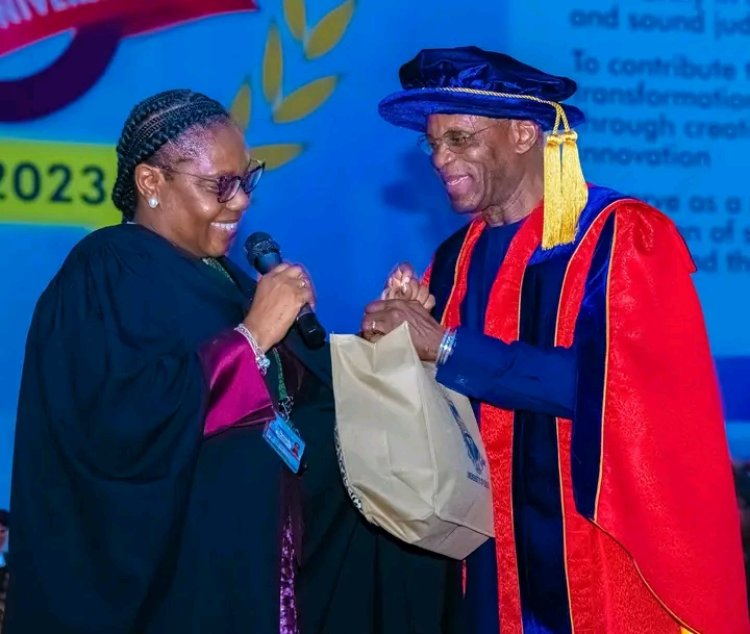
In his remarks, the Vice-Chancellor, Professor Peter Olamakinde Olapegba, C.Psych, FSSAN, FNPA, fspsp, expressed appreciation to Dr Fatona for accepting the University's invitation to deliver the lecture.
He noted that the relevance of the topic to the challenges confronting higher education, as well as the need for sustained conversations on the funding and future of Nigerian universities, could not be overemphasised.
Professor Olapegba described the Convocation Lecture as an opportunity for intellectual engagement and reflection on issues affecting the University and the wider society.
He also warmly appreciated and commended Dr Fatona's proposed endowment fund, reaffirming the University's commitment to justifying the confidence reposed in it by its alumni and benefactors. He reiterated the institution's resolve to promote academic excellence, research, innovation and the development of responsible graduates.
The lecture was one of the activities marking the University's 78th Foundation Day and 2026 Convocation ceremonies.
Earlier, the Convocation Lecturer and his wife, Dr Oluwatoyin Fatona, paid a courtesy visit to the Office of the Vice-Chancellor.

They were accompanied by prominent figures in the business community, including Engr. Tony Attah, Managing Director/CEO, Renaissance Africa Energy Company Limited; Mr Abiodun Busari; and Mr Kunle Olusina.