Experts Raise Alarm Over Poor Teacher Training for Autistic Children in Nigeria
Education experts have called for improved teacher training, accessible diagnostic services and inclusive classroom practices to support children with autism, ADHD and other forms of neurodiversity in Nigeria.
 judithhh
Education experts urge better teacher training, early diagnosis and inclusive classrooms to support children with autism, ADHD and other learning differences in Nigeria.
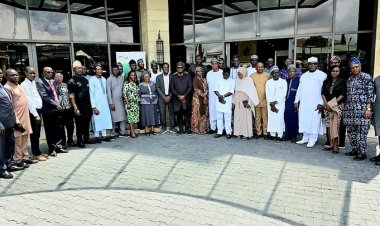
The experts spoke at the two-day African Neurodiversity Conference 2026, organised by the Association of Nigerian Educational Psychologists (ANEP) at Children’s International School, Lekki, Lagos.
Delivering the keynote address, a Professor of Educational Psychology at the University of Ilorin, Bolanle Olawuyi, said the removal of special education and psychology courses from teacher-training curricula had left many educators ill-equipped to support neurodivergent learners.
Olawuyi explained that teachers sometimes mistake learning differences for laziness or carelessness, while some parents misunderstand their children’s behaviour and resort to punishment.
She warned that such misconceptions could lead to incorrect diagnoses and the placement of children in unsuitable learning environments.
The professor also highlighted the high cost and limited availability of diagnostic and assessment services, noting that many families could not afford the tools and professional evaluations required to identify their children’s learning needs.
According to her, the lack of early identification and appropriate support could prevent children from developing their abilities and accessing educational opportunities.
Olawuyi called for the restoration of special education and psychology courses in teacher-training programmes, alongside continuous professional development for serving teachers. She also urged governments to provide dedicated funding for inclusive education, accessible assessment tools and appropriate learning resources.
The President of ANEP, Eniola Ayinde-Olajobi, identified inadequate teacher training, limited access to assessment services and stigma as major challenges facing neurodivergent children and their families.
She stressed that autism, ADHD and other learning differences should not be treated as limitations on a child’s potential, urging schools to focus on learners’ abilities and provide the support they need to succeed.
Ayinde-Olajobi said efforts to promote neurodiversity must go beyond awareness campaigns to include early identification, evidence-based interventions, appropriate assessments and practical implementation of inclusive education policies.
One of the major resolutions of the conference was a proposal to develop an accessible online course to equip teachers with practical knowledge and skills for supporting neurodivergent learners.
The proposed programme will cover neurodiversity awareness, learning disabilities, classroom inclusion, identification of learning support needs and effective teaching approaches for learners with diverse needs.
Participants also resolved to establish neurodiversity clubs in schools to promote awareness, understanding, acceptance and inclusion among students.
Schools in Lagos, Ogun, Kwara, Rivers and Nasarawa states, as well as Kenya, expressed interest in establishing the clubs. Participating schools received starter kits, while coordinators were assigned to support implementation.
The conference also highlighted the limited availability of locally developed assessment instruments suited to African children and their cultural and linguistic backgrounds.

Participants noted that reliance on imported assessment tools could make evaluations expensive and difficult to access, creating barriers for families and schools with limited resources.
ANEP said it would pursue collaboration with educational psychologists, researchers, psychometricians and other professionals to explore the development and validation of culturally appropriate assessment tools for African populations.
The conference further called for greater representation of neurodivergent people of African origin in public discussions, noting that visibility and relatable role models could help challenge stereotypes and promote acceptance.
Speaking at the conference, the Director of Children’s International School, Lagos, Joke Chukuma, represented by her deputy, Yinka Ojo, said inclusion was a core value capable of making a meaningful difference in children’s lives.
A speech pathologist at the University of California, Professor Julie Washington, urged teachers to recognise that children develop at different rates and adopt teaching methods that respond to their individual needs.
Washington also encouraged educators to respect children’s cultural and home languages rather than suppress differences in speech and communication.
During a panel session, education experts noted that although inclusive education policies existed, implementation remained weak and school curricula often failed to accommodate diverse learning needs.
They called for improved teacher training, more inclusive curricula and school infrastructure that provides suitable facilities and pathways for neurodivergent learners.
The African Neurodiversity Conference 2026 brought together educators, researchers, policymakers, professionals and advocates to discuss practical strategies for advancing inclusive education and improving support for people with diverse learning and developmental needs.