Senate Passes NUC Act 2026 Bill to Strengthen University Regulation in Nigeria
The Nigerian Senate has passed the National Universities Commission Act, 2026 (SB. 1056), for second reading, advancing proposed reforms aimed at strengthening the commission’s regulatory powers and improving university governance.
 judithhh
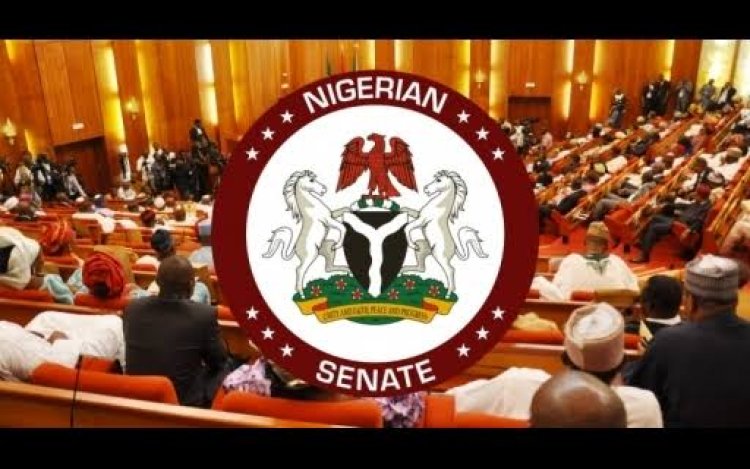
Nigeria’s university regulatory framework may undergo a major overhaul following the Senate’s passage of a bill seeking to expand the powers of the National Universities Commission (NUC), improve university governance and strengthen enforcement of academic standards.
The proposed National Universities Commission Act, 2026 (SB. 1056), passed second reading on Thursday after lawmakers debated the need to update the legal framework guiding university regulation amid changes in the country’s higher education sector.
Sponsored by Senate Leader Opeyemi Bamidele, the bill was presented during plenary by Senate Chief Whip Mohammed Monguno, who argued that the existing law no longer adequately addresses developments such as the growth of private universities, technological advances and increasing international engagement in higher education.
Under the proposed legislation, the commission’s regulatory and accreditation processes would be reviewed, while provisions would be introduced to support research, innovation, institutional autonomy and more efficient operations. The bill also seeks to update the composition and responsibilities of the NUC governing board, promote digital systems for greater transparency and provide a framework for international partnerships and diversified funding.
The debate also exposed concerns among lawmakers about how some universities interpret and comply with existing governance requirements. Senator Victor Umeh, representing Anambra Central, called for clearer enforcement powers to enable the commission to address alleged breaches of university governance rules.
Umeh alleged that some private institutions had adopted corporate-style management arrangements, including positions such as managing director and executive director, which he said could conflict with established university governance structures. He urged lawmakers to ensure the proposed law empowers the NUC to issue binding directives and take effective action when institutions fail to comply with applicable regulations.

The senator also raised allegations concerning a university in Anambra, claiming that its managing director had exercised authority over the appointment and removal of vice-chancellors in ways that might not conform to the relevant legal framework. The claims were raised during the debate and require investigation before any conclusion can be reached.
Senate President Godswill Akpabio said concerns about university administration should be examined because governance failures could damage confidence in Nigerian universities and the qualifications they award. He called on the Senate committee responsible for the matter to investigate the allegations and establish whether the institution’s practices comply with existing laws.
Akpabio also urged lawmakers to consider how regulatory breaches could be addressed effectively, rather than allowing disputes over compliance to weaken the commission’s authority. Any action against an institution, however, would need to be guided by the findings of an investigation and the applicable legal provisions.

The bill has now been referred to the Senate Committee on Tertiary Institutions and TETFund for detailed consideration. The committee has four weeks to examine the proposed changes and report back to the Senate for further legislative action.
The bill’s passage at second reading does not mean it has become law. It must proceed through committee scrutiny and subsequent legislative stages before the Senate can decide on its final passage.