Ogun Government Invests ₦2.7 Billion in Fish Feed Subsidies for 4,600 Farmers as FUNAAB Hosts FISON Conference
The Ogun State Government has invested over ₦2.7 billion in fish feed subsidies for 4,600 fish farmers as part of efforts to increase aquaculture production, strengthen food security and improve livelihoods across the state.
 Philip22
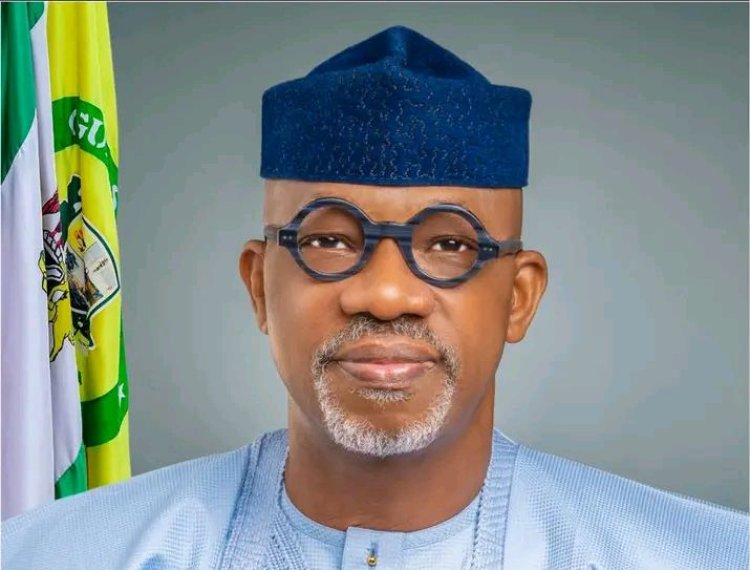
The Ogun State Government has invested over ₦2.7 billion in fish feed subsidies for 4,600 fish farmers as part of efforts to increase aquaculture production, strengthen food security and improve livelihoods across the state.
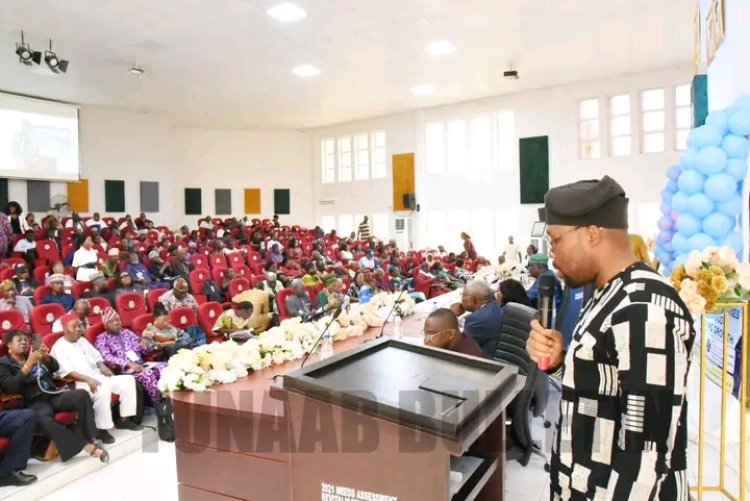
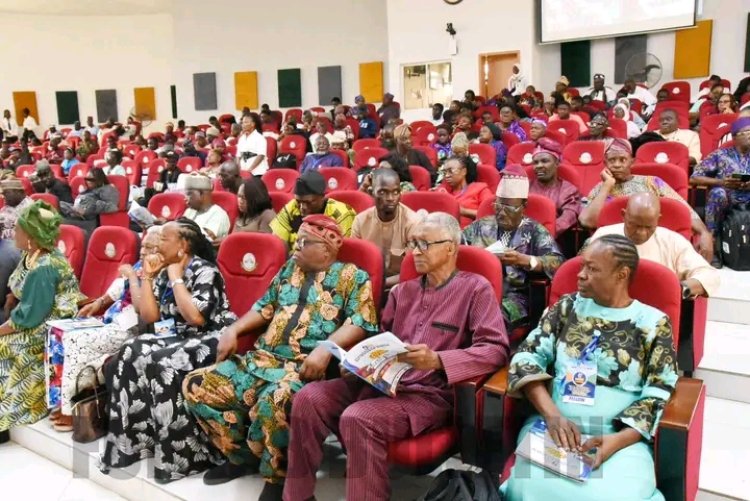
Governor of Ogun State, Prince (Dr) Dapo Abiodun, CON, disclosed this on October 27, 2026, during the opening ceremony of the 41st Annual Conference of the Fisheries Society of Nigeria (FISON), hosted by the Federal University of Agriculture, Abeokuta (FUNAAB), at its Red Chamber.
Represented by the Commissioner for Agriculture and Food Security, Hon. Bolu Owootomo, the Governor said the intervention was part of the state government's strategy to bridge the gap between domestic fish production and national demand.
Describing the conference theme, “Blue Economy: Advancing Sustainable Fisheries and Aquaculture for Food Security and Economic Growth,” as timely, Governor Abiodun emphasised the contributions of fisheries and aquaculture to economic growth, job creation and improved nutrition.
He noted that Nigeria's annual fish demand stood at approximately 3.6 million metric tonnes, while domestic production was about 1.4 million metric tonnes. This shortfall, he said, had contributed to annual fish imports valued at over $1.2 billion.
The Governor explained that the Ogun State Farmers Information Management System (OFIMS) had registered more than 160,000 farmers and agricultural value-chain participants, including 5,068 fish farmers. Of the fish farmers registered, 4,600 had benefited from government interventions.
The support provided included capacity building, processing facilities, market linkages and fish feed subsidies, which enabled beneficiaries to purchase feed at a 30 per cent discount.
In his goodwill message, the Vice-Chancellor of FUNAAB, Prof. Babatunde Kehinde, represented by the University Librarian, Prof. Abayomi Owolabi, described the institution as a foremost centre for agricultural education in Africa with growing international recognition.
He highlighted the contributions of the University's Department of Fisheries and Aquaculture and the versatility of its graduates, while welcoming participants to the conference.
In her virtual opening remarks, the National President of FISON, Dr. Ebinimi Ansa, described fisheries and aquaculture as indispensable to food security, employment generation and livelihoods.
She identified unsustainable exploitation of aquatic resources, habitat degradation, pollution and environmental changes as major threats to capture fisheries. She also noted that high production costs, limited access to quality feed and fingerlings, inadequate infrastructure and market uncertainties continued to constrain aquaculture development.
Dr. Ansa called for stronger collaboration among researchers, policymakers, government institutions, industry operators and development partners, stressing that no single institution could independently address the challenges facing the sector. She commended the Ogun State Government for supporting the conference and FUNAAB for hosting the gathering.
The Chairman of the Local Organising Committee, Prof. Festus Adeosun, represented by Prof. Jacob Olaoye, said the conference provided stakeholders with an opportunity to develop practical solutions for affordable fish production, employment generation, improved livelihoods and reduced dependence on fish imports.
He emphasised the need to translate research findings into innovations that would make fisheries and aquaculture more productive, profitable and sustainable.
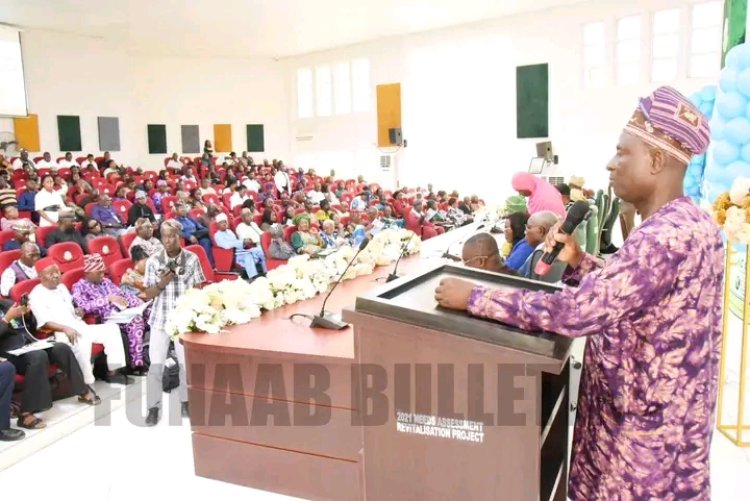
Delivering the anniversary lecture titled “Fifty Years of Fisheries Development in Nigeria: Lessons, Challenges, and Pathways to a Sustainable Blue Economy,” the former Vice-Chancellor of the Federal University of Technology, Akure (FUTA), Emeritus Prof. Adebisi Balogun, urged FISON to strengthen its institutional capacity and pursue chartered status.
He called for recognised professional standards, ethical practices, improved certification, institutional accountability and greater influence in fisheries and aquaculture policymaking.
In her keynote address, the President of the World Aquaculture Society and FISON's first female National President, Dr. Foluke Areola, described the blue economy as a major opportunity for sustainable development, food security, employment and responsible aquatic resource management.
She advocated reliable fisheries data, responsible fishing practices, increased investment in domestic aquaculture, improved cold storage and processing facilities, greater access to finance for women and young people, and stronger policy implementation.
Dr. Areola also called for improved fish feed and stock management, stronger biosecurity measures, better diagnostic services and closer collaboration among universities, research institutes and private enterprises to develop solutions suited to Nigeria's needs.
A major highlight of the conference was the conferment of a Fellowship Award of FISON on Governor Abiodun in recognition of his contributions to the fisheries sector.
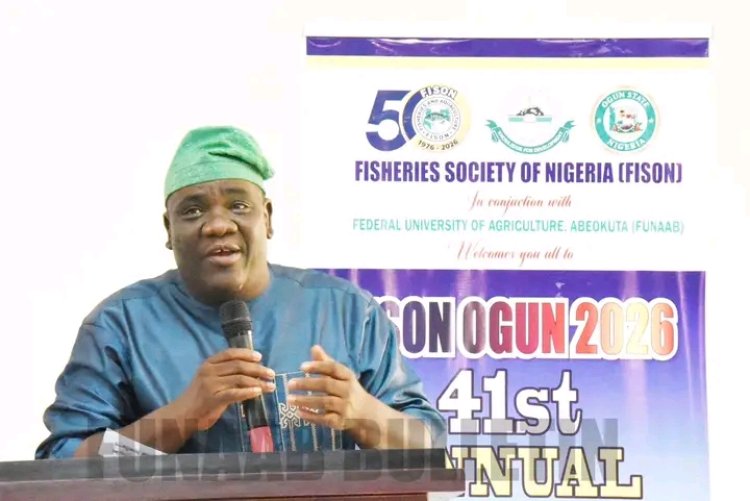
The conference is expected to strengthen collaboration among stakeholders on sustainable fisheries management, aquaculture development and the role of Nigeria's blue economy in advancing food security and economic growth.