ADUN Students Urged To Take SIWES Programme Seriously
ADUN Students Urged To Take SIWES Programme Seriously
 UmarFarouk123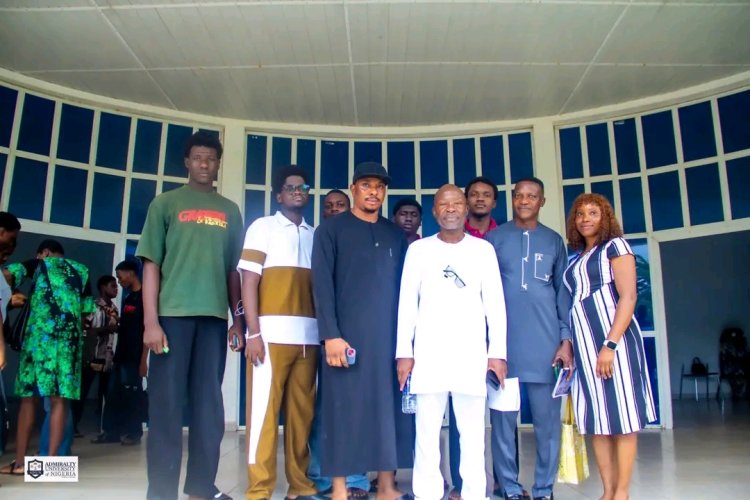
Students of Admiralty University of Nigeria, ADUN, have been urged to take the Students Industrial Work Experience Scheme, SIWES, seriously to acquire practical skills in their chosen careers.
The Director of SIWES at Admiralty University of Nigeria, Professor Terna Agba, gave the advice during the SIWES orientation programme held at the university in Ibusa.
Professor Agba said the importance of industrial training could not be overemphasized because it equips students with practical knowledge required for professional success.
He urged the students to remain focused and avoid actions capable of distracting them from achieving the objectives of the programme.
The Area Manager of the Industrial Training Fund, ITF, Warri Area Office, Madam Juliana Gwa, said the main aim of SIWES is to bridge the gap between classroom learning and practical experience.
She advised the students to shun drug abuse and other social vices that could undermine their participation and performance during the industrial training programme.
The Head of Training at the Industrial Training Fund, Mr. Samuel Udokang, delivered the keynote lecture during the orientation programme.
Udokang said the orientation was organised to provide students with the necessary information and guidelines for a successful SIWES experience.
He warned that any student who fails to participate in the SIWES programme would be required to repeat it before graduation.
According to him, the Students Industrial Work Experience Scheme was established by the Industrial Training Fund in 1973.
He explained that the scheme was introduced following concerns by industrialists that graduates from higher institutions lacked adequate practical experience for employment in industries.