IBBUL DRD Organises One-Day Workshop on NRF Grantsmanship to Strengthen Research Funding Capacity
IBBUL DRD Organises One-Day Workshop on NRF Grantsmanship to Strengthen Research Funding Capacity
 UmarFarouk123
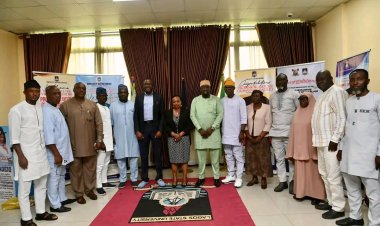
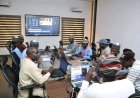
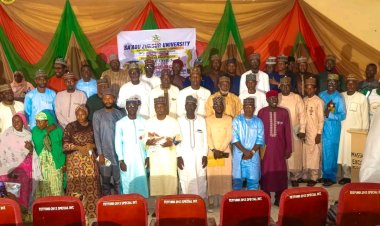
The Directorate of Research and Development, Ibrahim Badamasi Babangida University, Lapai, has organised a one-day workshop on National Research Fund (NRF) Grantsmanship 2026 to strengthen capacity of academic staff in developing competitive research proposals and accessing national and international funding opportunities.
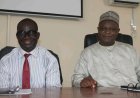
Declaring the workshop open, the Vice-Chancellor, Prof. Mohammed Hadi Sulaiman, represented by the Deputy Vice-Chancellor, Academics, Prof. Mohammed Aliyu Bello, said the workshop demonstrated the University's commitment to strengthening research capacity and positioning the Institution to compete more effectively for research grants.
He emphasised that while a good research idea is important, the ability to transform it into a well-conceived, compelling and fundable proposal is equally essential in today's competitive research environment.
The Vice-Chancellor said IBBUL had continued to record encouraging growth in research activities, including participation in TETFund-supported programmes and other national and international research initiatives.
He appreciated the key resource person, Prof. Muhammad Aliyu Paiko, Vice-Chancellor of Abdulkadir Kure University, Minna, as well as other resource persons, facilitators and participants.
He expressed confidence that the workshop would improve research funding success and enhance contribution to national and global development.
In his welcome remarks, the Coordinating Director, Directorate of Research and Development, Prof. Lawal Alimi Folorunso, said the workshop was organised against backdrop of increasingly competitive research funding landscape, particularly the TETFund National Research Fund, which receives about 4,000 concept notes annually for fewer than 200 available slots.
He noted that high competition makes excellence, relevance and national impact critical, stressing that many researchers with good ideas lose out at concept-note stage due to poor presentation, misalignment with thematic areas and weak multidisciplinary teams.
Prof. Folorunso said the workshop was designed to demystify NRF concept-note and full-proposal processes while equipping participants with practical skills for developing competitive proposals. He explained facilitators were carefully selected from previous NRF beneficiaries to ensure training was practical and experience-based, urging participants to take it seriously.
In his keynote address, Prof. Paiko challenged researchers at IBBUL to improve performance in NRF, saying University has strong foundation and expertise needed to attract more funding.
He recalled that grantsmanship in the Institution was pioneered by Prof. N.G. Obaji, who was among first researchers to secure TETFund NRF funding and subsequently mentored other academics in grant writing.
Prof. Paiko stressed researchers must ensure problems proposed are significant, relevant to Sustainable Development Goals and aligned with priorities of funding agency. He said competence was critical, as researchers must demonstrate through relevant publications, previous projects and expertise capacity to solve problem presented.
He emphasised importance of assembling competent and multidisciplinary teams, noting every member must have clearly defined and relevant role. He said successful proposals require expertise from different fields, citing examples where disciplines such as history, sociology, agricultural economics, microbiology, food science and other specialised areas could determine success and sustainability of a project.
He advised researchers to carefully consider funding source, timing, project scope, funding limit and amount requested before submission. He urged academics to determine whether they were targeting right funder, proposing right project, applying at right time, requesting right amount and presenting request in right manner, stressing researchers should begin preparing well ahead of funding calls rather than rushing shortly before deadlines.
In closing remarks, the Registrar, Alhaji Idris Saleh Kusherki, represented by Academic Secretary, Malam Adamu Isah, challenged researchers to make most of workshop by listening attentively, engaging resource persons and asking questions.
He noted practical knowledge and guidance provided could significantly strengthen capacity to prepare compelling proposals, thereby increasing university's prospects of attracting grants.