Education Minister Urges More Focus on Boy-Child Education as 6.7m Girls Benefit
Minister of Education, Dr. Tunji Alausa, has disclosed that nearly 6.7 million girls have benefited from Federal Government interventions aimed at improving access to education and keeping girls in school.
 judithhh
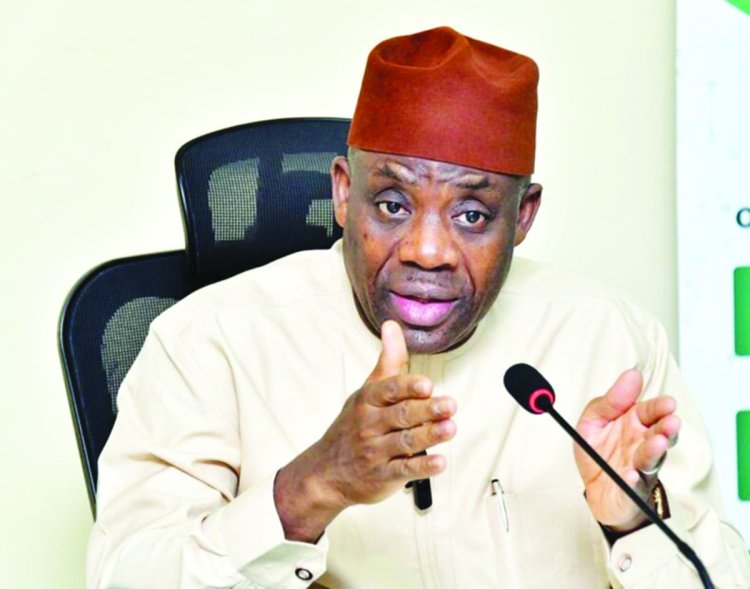
Education Minister Tunji Alausa says nearly 6.7 million girls have benefited from FG education interventions while calling for more attention to boy-child education.
Alausa also revealed that nearly 6.7 million girls had benefited from various government interventions designed to improve access to education and keep them in school.
He said the achievements were part of the Federal Government’s ongoing efforts to overhaul the education sector, stressing that the government was determined to close gaps in access and improve the quality of learning.
Alausa, however, said the government could not afford to concentrate its education interventions on only one gender.
While acknowledging the progress made in promoting girl-child education, he called for increased attention to the educational needs of boys.
“We must sustain the gains we have made with the girl-child, but we also need to pay attention to the boy-child,” he said.
The Minister said Nigeria’s human capital development would only be meaningful if no child was left behind, regardless of gender or background.
He listed the Federal Ministry of Education’s six priority areas as Technical and Vocational Education and Training (TVET), Science, Technology, Engineering and Mathematics (STEM), reintegration of out-of-school children, data and digitalisation, girl-child education and quality assurance.
He said the Federal Government is also investing in skills development, technology and teacher training as part of efforts to produce graduates capable of competing in a rapidly changing economy.
He noted that reliable education data was increasingly being deployed to identify areas of need, target government interventions and measure results.
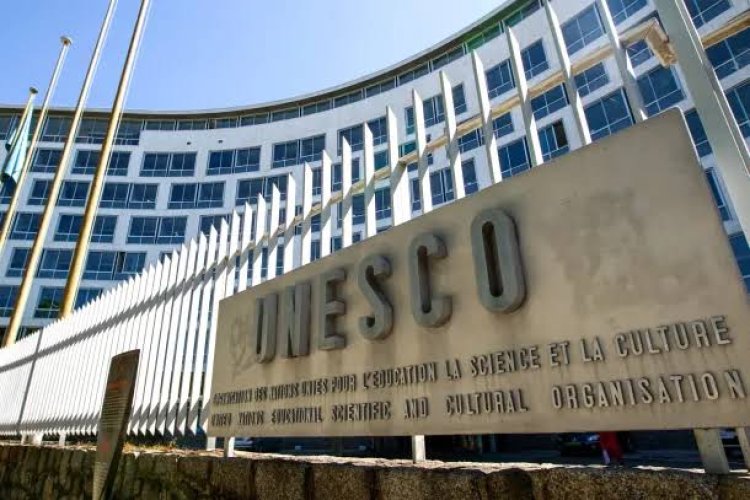
On teacher development, Alausa welcomed UNESCO’s technical support for the Ministry’s Accelerated Teacher Professional Programme (ATPP) which has a target of training one million in-service teachers.
He also acknowledged UNESCO’s support in TVET assessment, digital transformation, education for peace, and media and information literacy.
The Minister urged UNESCO to align its interventions with the reform priorities of the Nigerian Government, saying stronger coordination would ensure that technical assistance translated into concrete results.
“We want partnerships that complement what Nigeria is already doing and help us deliver faster and better results,” he said.
Alausa assured the UNESCO delegation that the Federal Government would continue to combine domestic resources with strategic international partnerships to drive its education reforms.
He said the administration’s focus remained on expanding access, improving quality and equipping Nigerian children and young people with the knowledge and skills needed to contribute to national development.
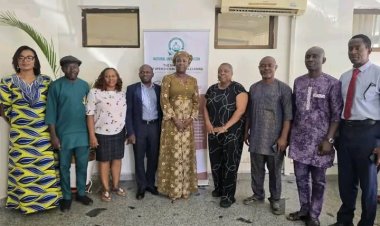
Earlier, the UNESCO Country Representative, Da Rosa, pledged the organisation’s support for Nigeria’s education transformation programme.
He described UNESCO as a technical partner willing to provide expertise in areas where the Nigerian Government requires assistance.
Da Rosa recalled UNESCO’s longstanding presence in Nigeria dating back to the 1960s, noting that the organisation had supported the country in education, science, culture, communication and information.
He commended the Ministry’s progress in digitising education data, describing accurate data as essential for effective planning and policy implementation.
The UNESCO representative said the organisation was ready to deepen cooperation with Nigeria in TVET, teacher development and efforts to bring out-of-school children back into the classroom.
He disclosed that UNESCO-supported programmes had already trained more than 28,000 teachers across different states and reached over 1.7 million students.
Da Rosa added that UNESCO’s specialised institutes remained available to provide further technical support to Nigeria.
Alausa assured the UNESCO delegation that the Federal Government would continue to combine domestic resources with strategic international partnerships to drive its education reforms.
He said the administration’s focus remained on expanding access, improving quality and equipping Nigerian children and young people with the knowledge and skills needed to contribute to national development.