FUL Don Raises Concerns Over Water Safety, Calls for Regular Quality Testing
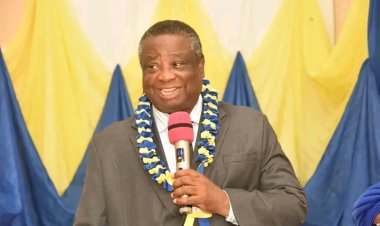
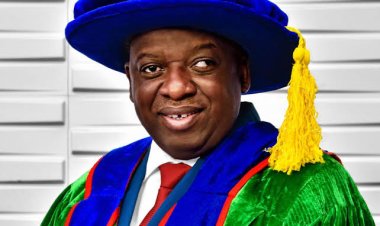
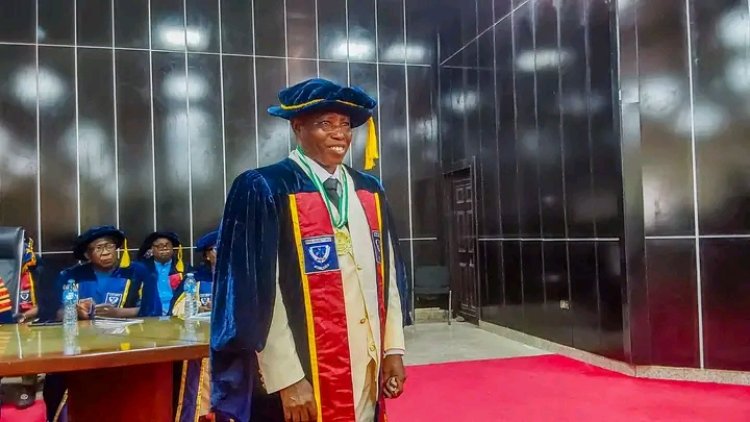
The Federal University Lokoja (FUL) has highlighted the need for regular water quality testing following concerns raised by Professor Samuel Ibbi Ibrahim over the safety of drinking water in Nigeria during the University's 47th Inaugural Lecture.
 Philip22
The Federal University Lokoja (FUL) has highlighted the need for regular water quality testing following concerns raised by Professor Samuel Ibbi Ibrahim over the safety of drinking water in Nigeria during the University's 47th Inaugural Lecture.
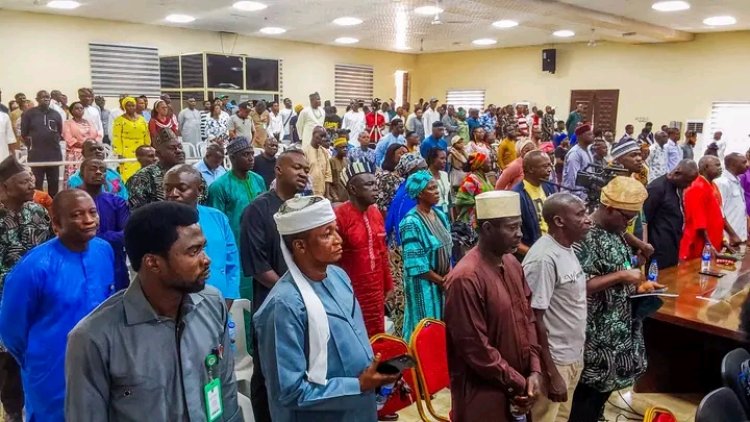
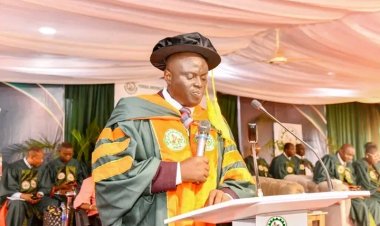
Professor Ibrahim, a Professor of Geography and Environmental Resources Management in the Department of Geography, Faculty of Environmental Sciences, delivered the lecture titled “Water Is Life, But Is Our Water Living? Confronting the Water Quality Crisis in Nigeria’s Environment” on October 28, 2026, at the Multipurpose Hall, Felele Campus, Lokoja.
The lecture was the third inaugural lecture from the Department of Geography and the first from the Faculty of Environmental Sciences.
Professor Ibrahim explained that the availability of water does not necessarily mean it is safe for drinking. He noted that water may appear clear while containing harmful chemicals or disease-causing organisms. He further warned that contamination could occur during collection, transportation and household storage, making regular testing essential to determine water quality.
Drawing on his research in Niger and Kogi States, the lecturer examined water quality challenges across urban and rural communities, reservoirs and flood-prone areas. His studies covered domestic water sources in Minna, groundwater pollution in Lapai, heavy metals in the Lapai and Agaie reservoirs, and the relationship between seasonal flooding and health in Ganaja, Lokoja.
He explained that water quality varies according to its source, location, land use and season. According to him, shallow wells are more exposed to surface contamination, while boreholes cannot automatically be considered safe simply because they draw water from underground.
The professor identified poor sanitation, population growth, urbanisation, industrial activities, mining, flooding and weak environmental management as major factors threatening water quality. He also highlighted the risks associated with faecal contamination, nitrates, heavy metals, industrial effluents and plastic waste.
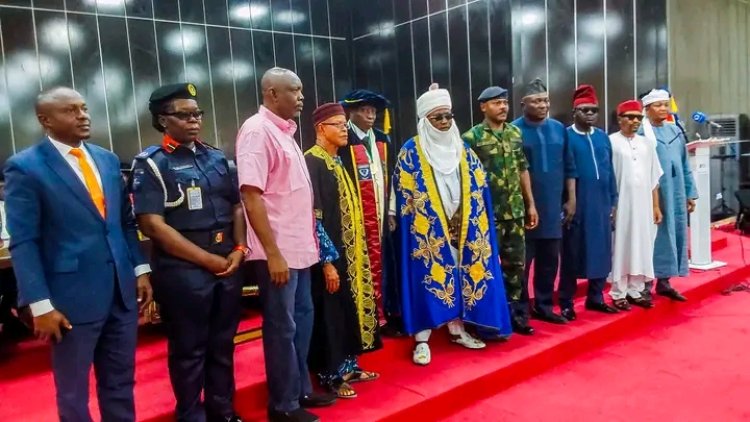
Despite Nigeria's substantial water resources, he observed that millions of people still lack reliable access to safe and affordable water. Many households depend on private boreholes, water vendors and sachet water, often at considerable cost.
Professor Ibrahim therefore called for a shift from measuring progress by the number of boreholes and other water facilities provided to determining whether the water supplied meets acceptable quality standards.
He proposed four approaches to addressing the challenge:
- Integrated Water Resources Management.
- The use of geospatial technology and remote sensing to monitor water quality.
- Community-based water safety plans.
- Stronger implementation and enforcement of environmental regulations.
He also recommended routine water testing, improved protection of wells and boreholes, enforcement of industrial effluent standards, and the integration of water safety into flood management and climate change adaptation. He called for interdisciplinary research and public education on water treatment, safe storage, hygiene and waste disposal.
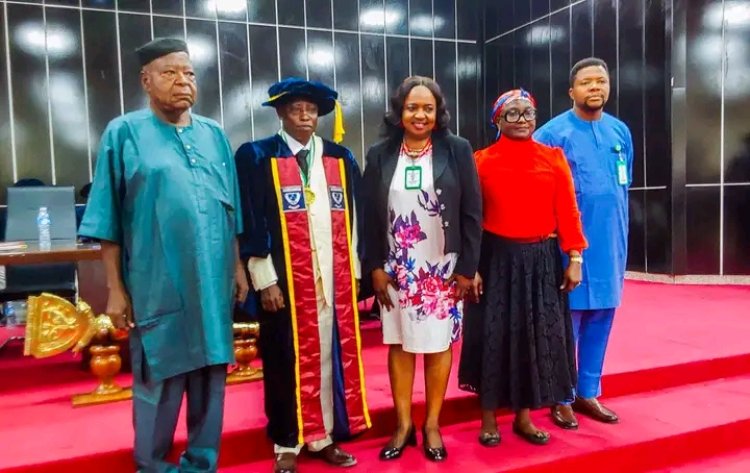
Meanwhile, the Vice-Chancellor of FUL and Chief Host of the lecture, Professor Gbenga Solomon Ibileye, FNAL, FLAN, FESAN, said the presentation raised important questions with direct implications for the University, particularly given the resources committed to providing water across its campuses.
Professor Ibileye observed that the University's location at the confluence of the Niger and Benue rivers had not spared Lokoja and its campuses from water scarcity.
He noted that despite the presence of the two major rivers, the University and the surrounding town continued to experience water shortages.
The Vice-Chancellor also drew attention to the boreholes serving the University's campuses and the need to establish the quality of the water they supply.
He stated that his administration had invested financial resources and attention in the University's boreholes and expressed the need to ascertain whether the water being supplied was genuinely safe.
His remarks underscored the importance of looking beyond the provision of water facilities to determining whether the water they provide is safe for use. Although he did not announce a specific testing directive, he indicated that the findings of the lecture had raised issues the University would need to examine.
Professor Ibileye commended Professor Ibrahim for addressing an environmental issue with direct consequences for ordinary Nigerians. He noted that Geography helps explain the relationship between rivers and aquifers, human activities and the sustainable management of resources on which communities depend.
The 47th Inaugural Lecture in the University's series, and the eighth under the Ibileye-led administration, highlighted the need for government agencies, universities, industries and communities to work together to protect water sources and improve monitoring.
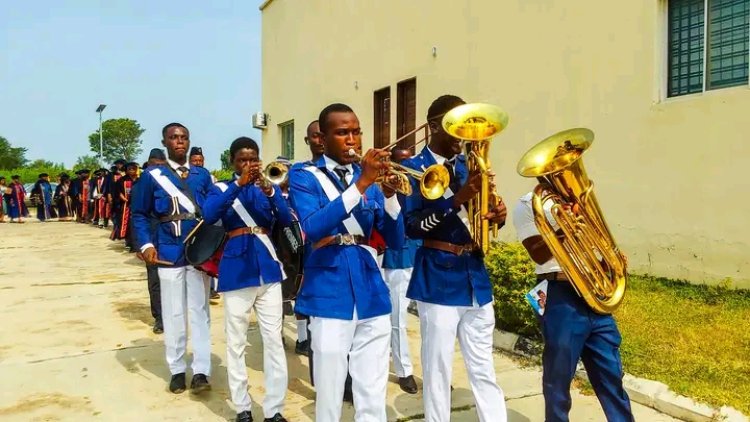
The lecture reinforced the importance of ensuring that efforts to expand access to water are accompanied by measures to guarantee that water supplied to households and institutions is safe for use.