FUNAAB Hosts Nigeria’s First National Symposium on Greenhouse Cultivation, Targets Food Security
 Philip22
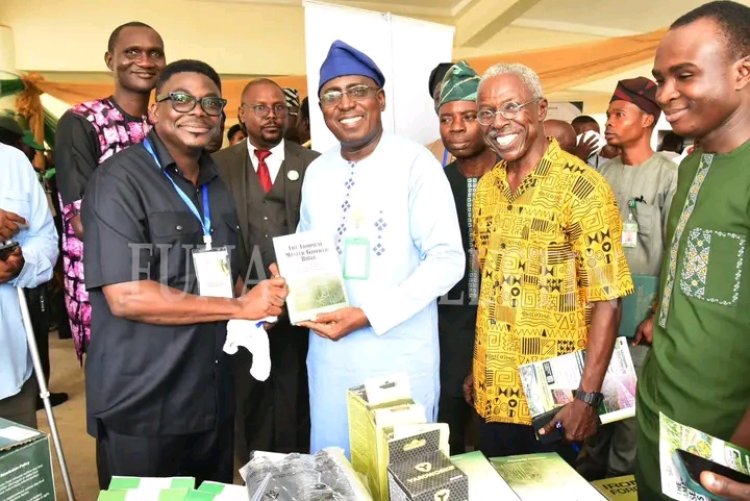
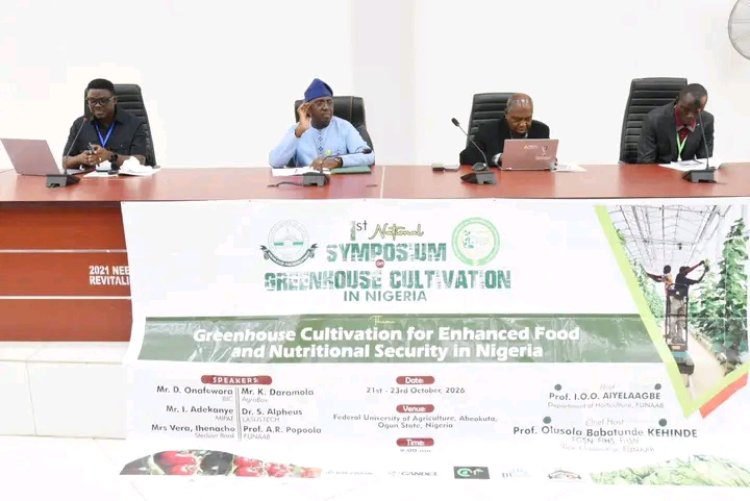
The Federal University of Agriculture, Abeokuta (FUNAAB), has hosted Nigeria’s first National Symposium on Greenhouse Cultivation, reinforcing calls for the wider adoption of controlled-environment agriculture to strengthen food and nutritional security, improve climate resilience and unlock agribusiness opportunities.
The opening ceremony of the three-day symposium commenced on October 21, 2026, at the university’s Red Chamber and was declared open by the Vice-Chancellor, Professor Babatunde Kehinde.
The event, themed “Greenhouse Cultivation for Enhanced Food and Nutritional Security in Nigeria,” brought together researchers, industry practitioners, government agencies and other stakeholders to explore innovative solutions for sustainable agricultural production.
In his opening remarks, Prof. Kehinde described the symposium as a strategic platform for knowledge exchange, interdisciplinary collaboration and the development of innovative approaches to addressing Nigeria’s agricultural challenges.
He explained that greenhouse cultivation enables farmers to regulate temperature, humidity, light, water and ventilation, thereby improving productivity, supporting year-round production and reducing crops’ exposure to adverse weather conditions, pests and diseases.
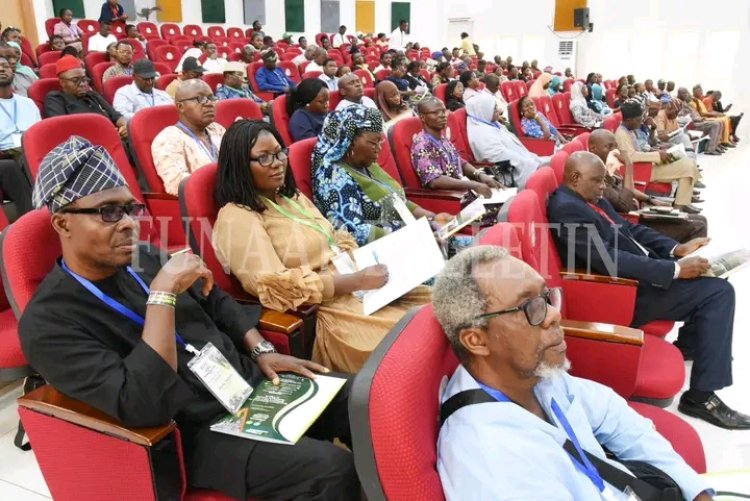
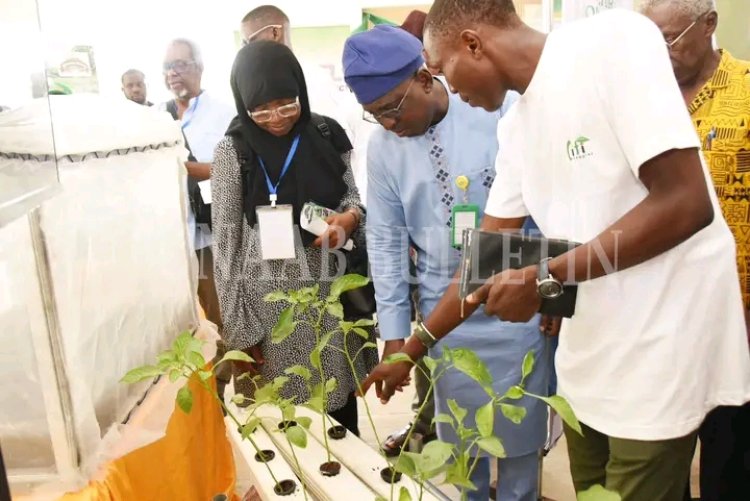
The Vice-Chancellor identified tomatoes, peppers, cucumbers, lettuce and strawberries as crops suitable for greenhouse production. He noted that complementary technologies, including drip irrigation and hydroponics, could improve water-use efficiency and increase crop yields.
Although he acknowledged the high establishment and maintenance costs, technical demands and need for continuous monitoring associated with greenhouse cultivation, Prof. Kehinde described it as a worthwhile investment amid climate change and rising food demand.
He disclosed that FUNAAB had incorporated greenhouse use and management into its postgraduate curriculum since 2015, with plans to introduce the course at the undergraduate level through opportunities provided by the Core Curriculum and Minimum Academic Standards (CCMAS).
According to him, the initiative would develop skilled local professionals capable of advancing greenhouse technology and addressing Nigeria’s vegetable production shortfall.
He consequently urged governments, agricultural institutions and young farmers to embrace innovative farming systems to improve agricultural productivity and strengthen food security.
Delivering the keynote address titled “Greenhouse Cultivation: The Big Picture for Food Security, Climate Resilience and Agribusiness Growth in Nigeria,” the Team Lead of BIC Farms Concepts Nigeria and Canada, Mr. Adebowale Onafowora, described controlled-environment agriculture as a strategic response to climate change, fluctuating food prices, pest infestations and the limitations of conventional open-field farming.
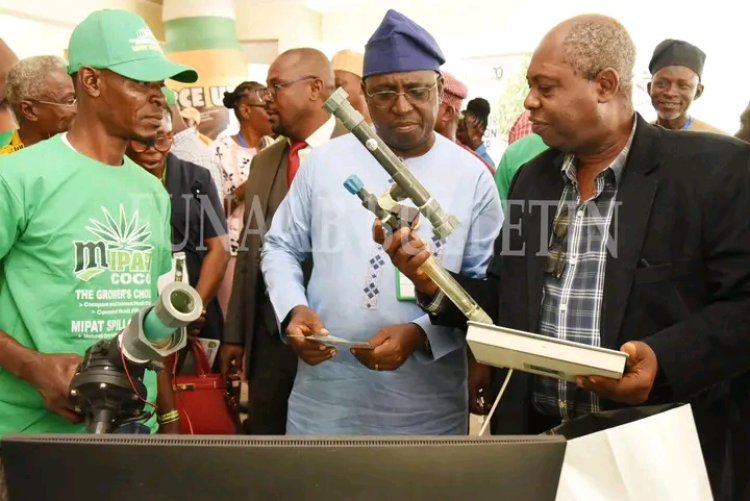
Mr. Onafowora projected that greenhouse cultivation could unlock an estimated ₦600 billion opportunity for Nigeria through the development of more than 100,000 commercial growers nationwide.
However, he stressed that realising this potential would require affordable financing, technical expertise, sustained research support and effective market linkages. He identified high commercial lending rates and inadequate risk-sharing mechanisms as major barriers to investment in the sector.
An Ashoka Fellow and global controlled-environment agriculture expert, Mr. Onafowora emphasised that greenhouse cultivation should not be viewed merely as the construction of protected structures, but as an integrated production system capable of advancing food security, commercial farming and sustainable agribusiness.
He identified naturally ventilated structures, tunnel greenhouses, multi-span facilities and hydroponics as technologies that could improve crop quality and support year-round production.
He cautioned that greenhouse designs must reflect local climatic conditions, particularly in tropical environments where excessive heat and humidity require appropriate structures and effective environmental management.
Mr. Onafowora, who pioneered hydroponics in Nigeria, called for a coordinated agricultural ecosystem capable of supporting thousands of commercially viable growers. He also expressed confidence in FUNAAB’s capacity to lead the development of greenhouse cultivation across Africa.
Earlier, the symposium convener, Professor Isaac Aiyelaagbe, said the programme was designed to promote stakeholder participation and strengthen public-private sector collaboration.
He explained that the opening day focused on private-sector engagement, while the second day was scheduled to combine industry participation with academic discussions to foster partnerships and facilitate knowledge exchange.
Participants were also scheduled to visit selected greenhouse facilities for practical exposure to different cultivation systems.
Prof. Aiyelaagbe expressed appreciation to the sponsors and supporting organisations for their contributions to the success of the symposium.
The organisations included CitiVegies, Amazon Farms Organic, MIPAT Modern Integrated Farms and Food Processing Ltd, Keselash AGRICOM, BIC Concepts, CANDEL, RIJK ZWAAN, East West Seeds, Jubaili Agrotec, Organic Foliar Fertilizers, Clean Farms Projects, Kaspharyn Solutions Limited, the Horticultural Academy for Youths (HAY) and the National Horticultural Research Institute (NIHORT), among others.
By hosting Nigeria’s first national symposium dedicated to greenhouse cultivation, FUNAAB is strengthening the role of universities in agricultural research, technology transfer and industry collaboration while promoting innovative approaches to food production and sustainable agribusiness.
The initiative aligns with Sustainable Development Goal 2 (Zero Hunger), Sustainable Development Goal 4 (Quality Education), Sustainable Development Goal 9 (Industry, Innovation and Infrastructure), Sustainable Development Goal 13 (Climate Action) and Sustainable Development Goal 17 (Partnerships for the Goals).