FUNAAB VC Tasks Engineering College Staff on Transformational Leadership
The Vice-Chancellor of the Federal University of Agriculture, Abeokuta (FUNAAB), Professor Babatunde Kehinde, has charged academic staff of the College of Engineering (COLENG) to embrace transformational leadership to improve teaching and learning, strengthen research, and expand the university’s impact locally and globally.
 Philip22

The Vice-Chancellor of the Federal University of Agriculture, Abeokuta (FUNAAB), Professor Babatunde Kehinde, has charged academic staff of the College of Engineering (COLENG) to embrace transformational leadership to improve teaching and learning, strengthen research, and expand the university’s impact locally and globally.
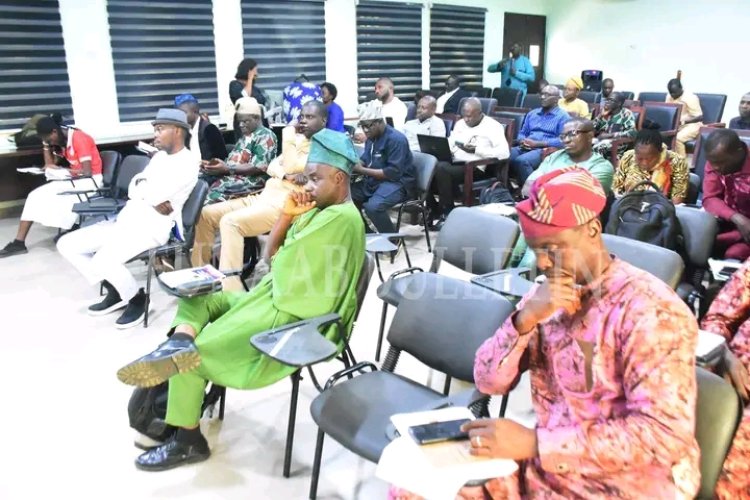
Prof. Kehinde gave the charge in a message delivered by the Dean of COLENG, Professor Adedayo Badejo, at the College’s Research and Leadership Seminar/Workshop Series held on October 21, 2026, at the Chief Olusegun Obasanjo Engineering Building, FUNAAB.
The seminar was themed “Transformational Leadership in Academia: Moving from Manager to Visionary Leader.”
The Vice-Chancellor appreciated COLENG for organising the seminar and commended the resource person, Professor Ololade Enikuomehin, for contributing to academic leadership development.
He emphasised the importance of applying the knowledge gained during the seminar to strengthen the university’s teaching, learning and research responsibilities while generating meaningful impact beyond its immediate community.
Prof. Kehinde urged participants to engage actively in the training and translate its lessons into practical results that would advance the College and the university.
Speaking in his capacity as Dean, Prof. Badejo described the seminar as timely, noting that COLENG had produced at least three vice-chancellors and deputy vice-chancellors.
He called for collaborative leadership in academia, stressing that institutional growth required leaders and staff to work collectively towards shared goals.
Prof. Badejo further observed that staff members’ influence extended beyond their official responsibilities, as they also guided students and shaped their conduct through personal example. He therefore encouraged participants to lead by example, promote professional development and contribute to a positive institutional legacy.
The resource person, Professor Enikuomehin, a former Acting Vice-Chancellor of FUNAAB, described the seminar as a wake-up call for improved service delivery and effective leadership within the Nigerian University System.
He defined leadership as the art of influencing people to achieve set goals, explaining that transformational leadership went beyond routine management to inspire individuals, broaden their interests and foster positive relationships between leaders and staff.
Prof. Enikuomehin identified individual development, staff motivation and constructive professional relationships as essential elements of transformational leadership.
He also advocated credible mentorship mechanisms to strengthen staff capacity, encourage professional growth and enhance institutional effectiveness.
He concluded by emphasising the need to improve the teaching and learning environment, noting that a supportive academic atmosphere was crucial to better staff performance and sustainable institutional development.
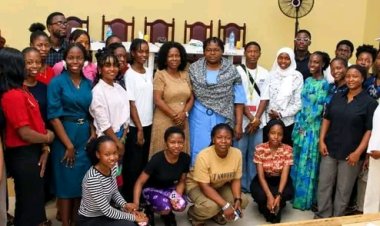
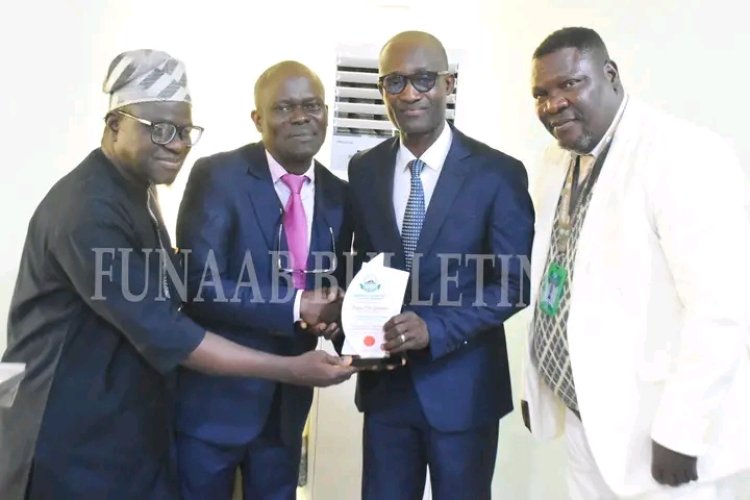
A major highlight of the seminar was the presentation of an award to Prof. Enikuomehin. The event also featured an interactive question-and-answer session and group photographs.
The seminar aligns with Sustainable Development Goal 4 (Quality Education), Sustainable Development Goal 8 (Decent Work and Economic Growth) and Sustainable Development Goal 9 (Industry, Innovation and Infrastructure).