FUNAAB, Sandia National Laboratories Train Laboratory Personnel on Biosafety and Biorisk Management
The Federal University of Agriculture, Abeokuta (FUNAAB), has strengthened its commitment to laboratory safety and responsible scientific research through a Biorisk Management (BRM) Awareness Training Workshop organised in collaboration with Sandia National Laboratories, USA.
 Philip22
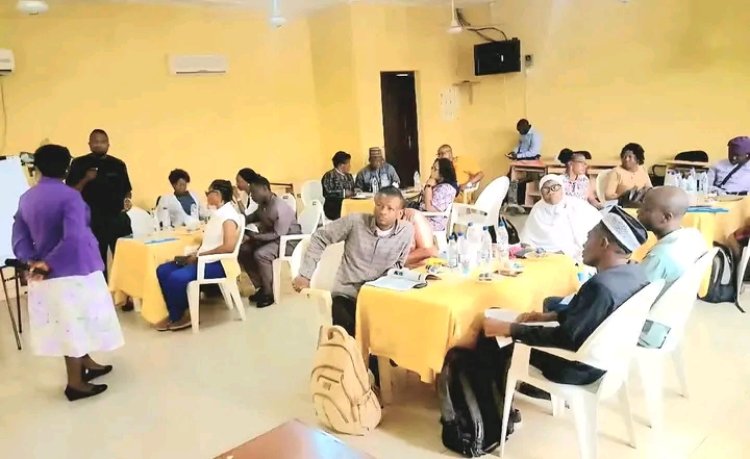
The Federal University of Agriculture, Abeokuta (FUNAAB), has strengthened its commitment to laboratory safety and responsible scientific research through a Biorisk Management (BRM) Awareness Training Workshop organised in collaboration with Sandia National Laboratories, USA.
The one-day workshop, held on October 27, 2026, formed part of the global Biosafety and Biosecurity Month celebrated every October. It brought together newly recruited Laboratory Scientists, Technologists and Assistants to strengthen their capacity to identify, assess and mitigate biological risks while promoting safe laboratory practices, biosecurity and the responsible handling of biological materials.
Speaking at the opening ceremony, the Chairman of the FUNAAB Biorisk Management Committee, Prof. Adebayo Akinloye, who represented the Vice-Chancellor, Prof. Babatunde Kehinde, stressed that an effective biorisk management system depended on the collective commitment of everyone working within a facility.
He noted that maintaining established safety standards required sustained efforts from all personnel.
Prof. Akinloye explained that performance measurement involved comparing actual results with desired outcomes through clearly defined goals, appropriate indicators, reliable data collection, reporting and continuous review. He also emphasised the importance of focusing on measurable activities, prioritising critical safety outcomes and using findings to improve laboratory practices.
Also speaking, the Director of the Directorate of Technologists and Technical Staff (DITTECS), Dr. 'Wunmi Abimbola-Okuneye, highlighted the importance of boundary management in laboratory operations.
She urged participants to remain conscious, alert and vigilant in observing safety boundaries, stressing that strict adherence to safety protocols was essential to protecting personnel and maintaining a secure working environment.
One of the conveners, Dr. Funmilola Oyebanji, introduced participants to the fundamentals of Biorisk Management, including Biosafety Levels (BSLs) and biosecurity principles.
She explained that biosafety focused on preventing accidental exposure to pathogens and toxins or their unintended release, while biosecurity involved protecting biological materials, equipment, technology, information and other resources against loss, misuse, unauthorised access or deliberate harm.
Dr. Oyebanji also highlighted the major pillars of laboratory biosecurity and introduced the Assessment, Mitigation and Performance (AMP) model as a framework for identifying, evaluating and managing risks associated with biological materials.
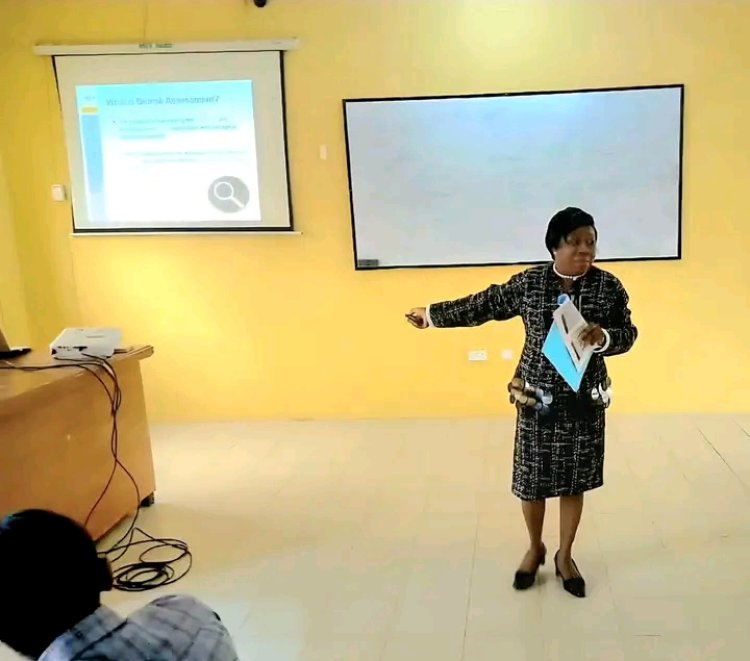
Another convener, Prof. Olubukola Adenubi, delivered a presentation on Biorisk Assessment, explaining how the likelihood and consequences of adverse events were evaluated to determine the level of risk.
She identified hazard and threat assessment as critical starting points, distinguishing hazards as potential sources of harm and threats as persons or entities with the intention or capacity to cause harm, depending on the context.
She further explained that risk evaluation helped determine whether identified risks were acceptable or required additional control measures before laboratory activities could proceed. According to her, changes in hazards, threats or prevailing conditions could alter risk levels, making continuous assessment essential for effective laboratory safety.
Speaking on Biorisk Mitigation Strategies, Prof. Michael Agbaje, a facilitator and FUNAAB's Desk Officer for Biorisk Management, outlined practical measures for reducing biological risks.
These include eliminating or substituting hazards where possible, applying engineering and administrative controls, adhering to safe work procedures and using appropriate Personal Protective Equipment (PPE).
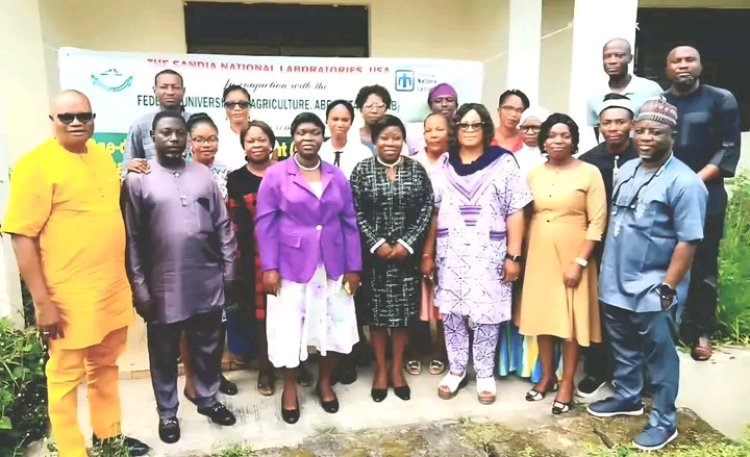
The workshop concluded with the presentation of certificates of attendance to participants, marking the completion of the training and reinforcing FUNAAB's commitment to developing a safety-conscious workforce and promoting responsible scientific research.