NAPTAN Demands Parent Representation in WAEC, NECO, UBEC and NABTEB Policy Decisions
The National Parent-Teacher Association of Nigeria (NAPTAN) has called on the Federal Government to reinstate parents into the decision-making structures of key education agencies
 judithhh

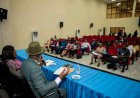
National Parent-Teacher Association of Nigeria has urged the Federal Government to restore parents' representation on the boards of WAEC, NECO, UBEC, and NABTEB, advocating greater parental involvement in education policy, examination fees, curriculum, and school governance.
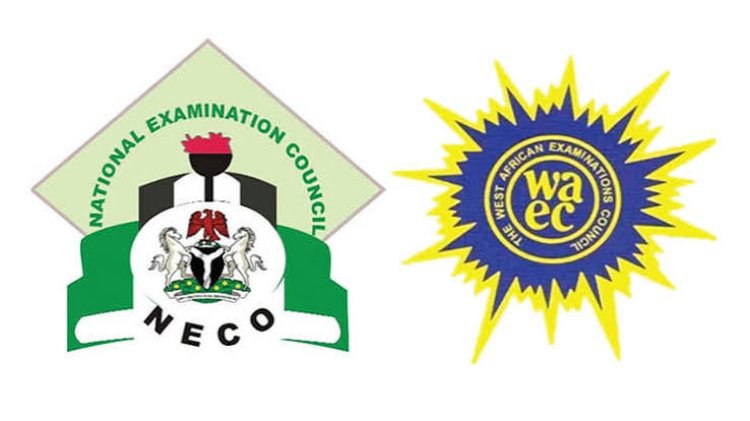
The National President of the group, Haruna Danjuma, in an interview, said the association wants institutionalised representation for parents on the governing board and policy consultation platforms of the West African Examinations Council (WAEC), the National Examinations Council (NECO), the Universal Basic Education Commission (UBEC), and the National Business and Technical Examinations Board (NABTEB).
NAPTAN is the umbrella body representing the interests of parents and teachers across schools in Nigeria.
Danjuma said: “Parents are major stakeholders and cannot be sidelined in decisions that affect our children.”
He traced the demand to an earlier period when parent-teacher associations had formal seats on the boards of key education bodies.
“In the past, especially during the tenure of the late Alhaji Babs Animashaun, founder and first National President of the group. PTA/NAPTAN had automatic representation on the decision-making bodies of institutions such as WAEC, UBEC, and NABTEB, among others.
Danjuma argued that the financial role parents play in education justifies their inclusion.
“NAPTAN is specifically asking the Federal Ministry of Education to create a structure that guarantees parental input ahead of any new policy on examinations, curriculum, or school fees.
“This means we want to be part of consultations before any future policies on examinations, curriculum, or school fees are finalised,” Danjuma said.
The association also restated its position on examination costs, urging the government to continue paying the Senior School Certificate Examination (SSCE) fees for candidates in public schools.
He predicated this on the government’s recent decision to increase charges for both WASSCE and NECO, a move that was met with widespread criticism from parents, civil society groups and education stakeholders. The proposal has since been suspended.
Danjuma said: “The government’s recent suspension of the proposed increase in WASSCE and NECO following public outcry showed that dialogue and collaboration are essential before policies are announced.”
Beyond fees, NAPTAN warned against the creeping politicisation and commercialisation of education.
He noted that decisions on curriculum, assessment and school administration should be guided by learning outcomes and equity, not by political considerations or revenue targets.
The association pledged to work with the Federal Ministry of Education to improve access, quality and affordability across basic and secondary education.
WAEC and NECO set and conduct the country’s two major senior secondary examinations, and their policies on registration, fees, timetable and malpractice directly affect millions of candidates each year. UBEC coordinates federal intervention in basic education, while NABTEB oversees technical and vocational examinations.