Should Nigeria Ban Smartphones in Schools? Stakeholders Debate the Way Forward
Education stakeholders in Nigeria are divided over whether smartphones should be banned in schools as more countries introduce restrictions on mobile phone use by students.
 judithhh
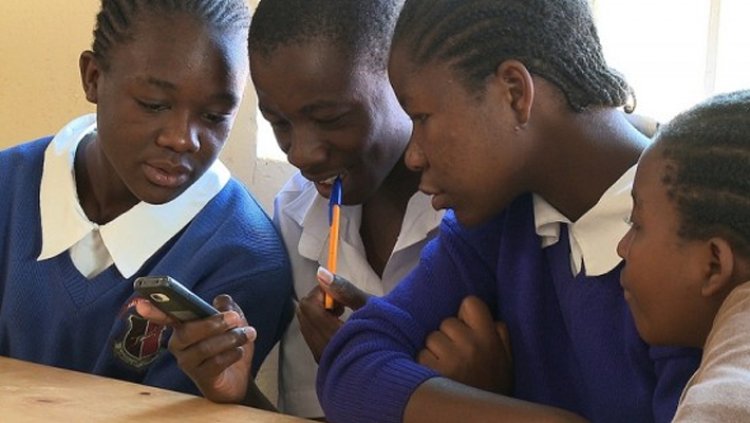
Nigerian education stakeholders are divided over smartphone use in schools, with experts weighing classroom distraction and online risks against digital learning benefits.
As more countries introduce restrictions on smartphone use in schools, education stakeholders in Nigeria are debating whether the country should adopt a similar policy or develop an approach suited to its own realities.
UNESCO reports that 114 education systems, representing 58 per cent of countries globally, now have national bans on mobile phones in schools. The organisation said the trend is partly driven by concerns about classroom distraction, cyberbullying and student wellbeing.
However, Nigeria faces a unique challenge because smartphones serve both educational and recreational purposes for many students.
Researchers and educators agree that unrestricted smartphone use can affect concentration and expose children to harmful online content. At the same time, phones provide access to educational videos, digital libraries, examination preparation platforms and other learning resources.
Waris Abiodun, a researcher, said restrictions could help reduce excessive social-media consumption and protect students' learning time. However, he argued that technology should not be completely removed from children's lives.

He maintained that restrictions should be accompanied by incentives that encourage students to use technology for educational purposes.
Yakub of the Federal College of Education (Technical), Gusau, also supported regulation rather than an outright ban. He said smartphones could give students access to online learning materials, research resources and platforms such as the Nigeria Learning Passport.
However, he warned that uncontrolled access during lessons could result in distraction and expose younger students to cyberbullying, inappropriate content, drug-related material and other online risks.
The debate is complicated by Nigeria's uneven access to digital devices and internet connectivity.
The Nigeria Learning Passport, developed by the Federal Government and UNICEF, provides curriculum-aligned educational content through online, mobile and offline channels.
The platform has been particularly important for learners in areas where internet connectivity is limited. UNICEF said its programme had reached more than 2.3 million children and young people in Nigeria by September 2026.
Joshua Obimba, co-founder of education technology platform Wekoya, said this reality makes a blanket smartphone ban difficult to implement.
He noted that smartphones are often the main digital devices available to Nigerian students and can provide access to WAEC and NECO preparation materials, e-books, learning platforms and communication with teachers and classmates.
Obimba warned that removing smartphones without providing alternatives such as computers or tablets could widen the country's digital divide.
He suggested that schools should strengthen computer laboratories, introduce supervised digital-learning periods and use technology to restrict access to inappropriate websites and activities.
Emmanuel, an IT instructor at 16plus School, identified smartphone addiction as a major concern among students. He argued that children may struggle to control their use of social media, entertainment and constant notifications.
Rather than allowing unrestricted personal smartphones, he suggested that schools provide students with managed laptops or tablets containing approved textbooks, e-books and educational resources.
This, he argued, would allow students to benefit from digital technology without giving them unrestricted access to distracting platforms.
Kelechi Uchenna, founder of Nigenius, takes a different position. He does not support restricting smartphones among students, arguing that government should focus on digital education, parental supervision and teaching young people responsible technology use.
He described smartphones as important gateways to learning, information and communication while acknowledging risks such as pornography and excessive social-media consumption.
Mrs Aderonke Ambali, founder of Brint Online School, also cautioned against treating smartphones themselves as the problem.
She argued that for many Nigerian children, a smartphone may be the most accessible piece of technology available to them. Instead of focusing only on whether children should possess phones, she said policymakers should examine how, when and why they use them.
Ambali said any restriction should be accompanied by alternative infrastructure, including shared computers, tablets, computer laboratories, supervised digital-learning periods and offline educational content.

She also stressed that digital education requires more than devices, pointing to the need for reliable electricity, connectivity, relevant content and teachers trained to integrate technology into lessons.
Rt. Hon. Agbeyangi Olaoluwa Andrew, Council Leader of Itire-Ikate LCDA, similarly opposed a blanket ban and supported controlled use.
He suggested stronger restrictions for younger pupils, while secondary-school students could be allowed controlled smartphone use under clearly defined school rules.
The debate among Nigerian stakeholders is therefore less about whether smartphones have risks and more about how those risks can be managed without cutting students off from digital learning.
A blanket ban could reduce classroom distractions, but without alternative devices and infrastructure it could also remove an important learning channel for students who cannot afford laptops or tablets.
On the other hand, unrestricted smartphone access could expose students to distraction, cyberbullying, inappropriate content, excessive screen time and examination malpractice.
The emerging proposal from several stakeholders is a middle-ground approach involving age-appropriate restrictions, controlled use during school hours, parental supervision, digital-literacy education and school-managed access to educational technology.
For younger pupils, this could mean tighter restrictions on personal devices, while older students could be allowed greater responsibility under clearly defined rules.
Ultimately, Nigeria's smartphone policy will need to consider the country's digital divide, connectivity and electricity challenges, teacher capacity, affordability of alternative devices and the growing role of EdTech.
The challenge is to protect students from the harmful effects of digital technology without cutting them off from its educational opportunities.