University of Ibadan Don Advocates Reflective Teaching for Science Educators
A Professor of Science Education at the University of Ibadan (UI), Prof. Temisan Angela Ige, has called for the integration of reflective teaching into teacher education programmes, describing it as a critical tool for lifelong learning, improved classroom practice, and sustainable educational delivery.
 Philip22
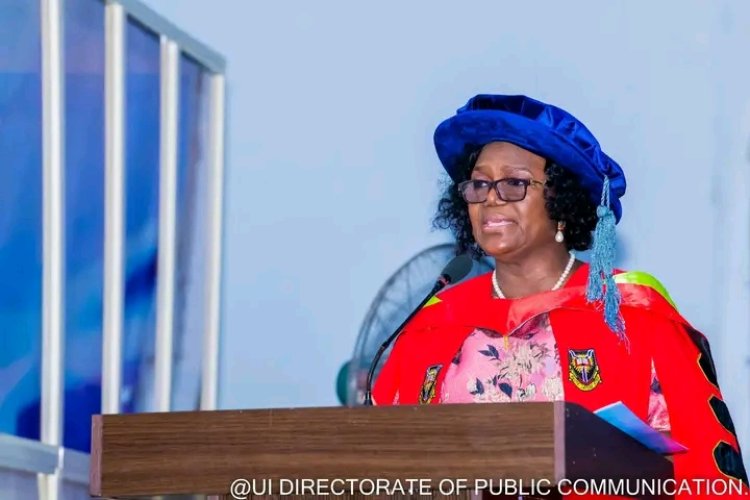
A Professor of Science Education at the University of Ibadan (UI), Prof. Temisan Angela Ige, has called for the integration of reflective teaching into teacher education programmes, describing it as a critical tool for lifelong learning, improved classroom practice, and sustainable educational delivery.

Prof. Ige made the call while delivering the University's 621st Inaugural Lecture on behalf of the Faculty of Education. The lecture was titled, “Don’t I Think Before I Talk? My Journey in the Professional Development of Science Teachers for Reflective Teaching.”
According to the professor, reflective teaching equips science teachers with the skills needed to produce learners capable of meeting the demands of contemporary science education. She noted that the concept is not new, explaining that it was first proposed by educational philosopher John Dewey in 1933.
She described reflective teaching as a pedagogical approach that enables educators to critically evaluate their instructional methods, assess their impact on student learning, and identify strengths, weaknesses, and areas requiring improvement.
Prof. Ige said reflective practice enhances classroom management by helping teachers examine the effectiveness of their teaching strategies, communication styles, and instructional decisions, leading to more engaging, inclusive, and effective learning environments.
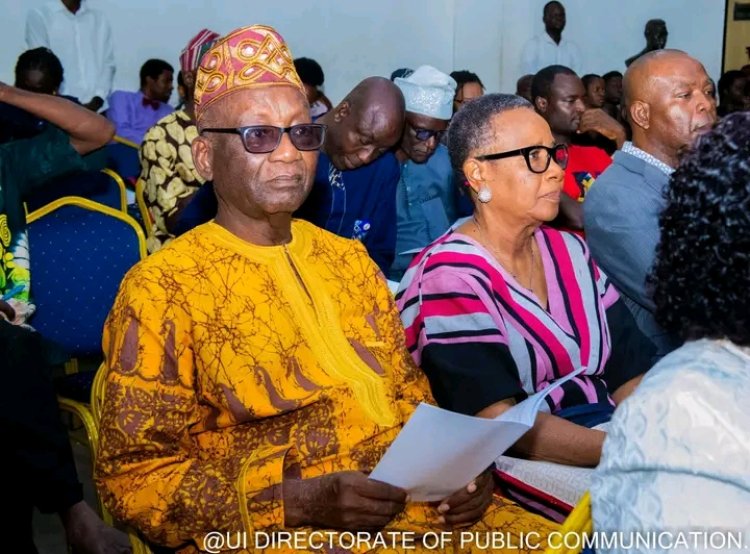
She added that the approach also promotes continuous professional development by encouraging teachers to evaluate their experiences, strengthen their professional identity, build resilience, and embrace lifelong learning.
The inaugural lecturer further noted that reflective teaching supports evidence-based decision-making, innovation, and adaptability, enabling educators to respond effectively to changing educational needs while improving students' academic performance.
According to her, reflective practice enhances pedagogical competence, strengthens professional identity, improves classroom management, boosts student achievement, promotes lifelong learning, and helps protect teachers against professional burnout.
Prof. Ige identified reflective journals, peer observation, video recordings of classroom lessons, digital platforms, and professional portfolios as valuable tools for promoting reflective teaching and documenting teachers' professional growth.
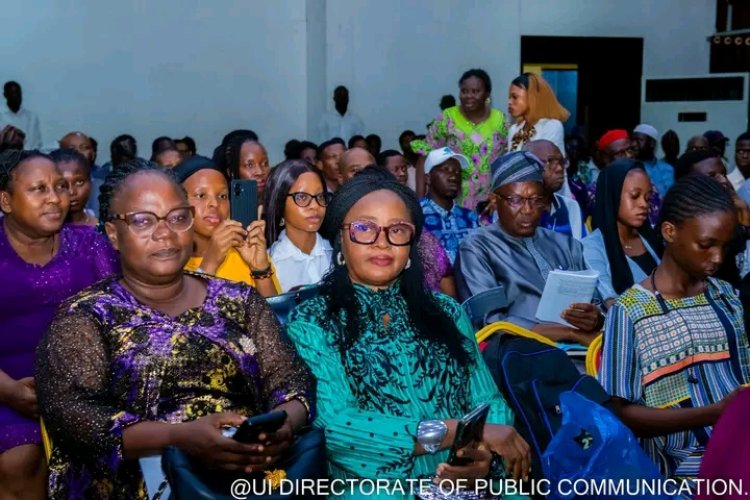
Despite its benefits, she observed that reflective practice is often constrained by inadequate time, limited institutional support, insufficient reflective skills, and superficial reflection that fails to critically evaluate classroom experiences.
She urged educational institutions to create supportive environments that encourage mentoring, collaborative learning, and continuous professional development to help teachers maximize the benefits of reflective practice.
The professor also recommended reviewing methodology courses in Faculties of Education and Colleges of Education to make reflective practice an essential component of teacher training.
She advocated restructuring teaching practice exercises to include reflective tools, particularly reflective journals, while urging teacher educators to model reflective practices during the training of prospective teachers.
Prof. Ige further called on the government and intervention agencies, including TETFund, to provide modern micro-teaching laboratories equipped with contemporary technology to strengthen practical teaching and reflective skills.
She also advocated increased funding for research in teacher education and urged the Teachers Registration Council of Nigeria to incorporate reflective teaching portfolios into teacher certification, assessment, and monitoring processes.
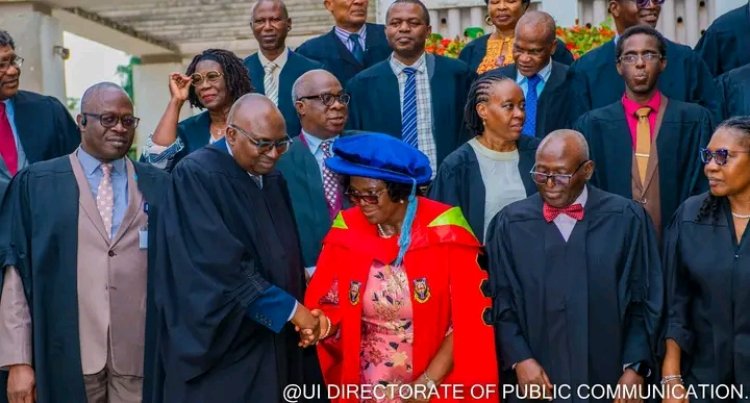
Reiterating the importance of reflective practice, Prof. Ige said teachers who continually evaluate and improve their classroom methods are better positioned to deliver effective instruction and contribute meaningfully to improving educational quality.
She also encouraged trainee teachers to invest time, effort, and resources in their professional development to become reflective practitioners.
The lecture was the 18th inaugural lecture delivered during the University of Ibadan's 2025/2026 academic session.