Woman Born Without Fingerprints Recounts JAMB, NYSC and Banking Biometric Struggles
Woman Born Without Fingerprints Recounts JAMB, NYSC and Banking Biometric Struggles
 UmarFarouk123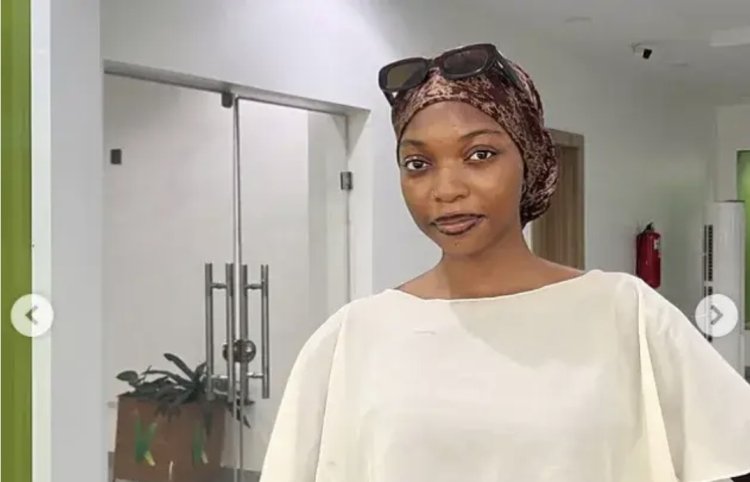
A Nigerian woman born with adermatoglyphia, a rare genetic condition that prevents the formation of fingerprints, has shared her challenges with national systems that rely heavily on biometric verification.
The woman said she has encountered repeated difficulties during key processes including the Joint Admissions and Matriculation Board, JAMB, registration, National Youth Service Corps, NYSC, mobilisation, and banking transactions, all of which require fingerprint capture.
Adermatoglyphia is an extremely rare condition that results in the absence of dermatoglyphs, the ridge patterns on fingers, palms and soles. People with the condition are often unable to enroll or be verified on biometric systems, creating barriers in education, employment, finance and travel.
She explained that during JAMB registration and NYSC biometric capturing, officials initially assumed a technical fault with the machines. Multiple attempts to capture her fingerprints failed, forcing her to seek alternative means of identification and special approval.
In the banking sector, she said she also faces delays whenever fingerprint verification is required for account opening or transactions. The situation often requires her to provide other forms of identification and written explanations to confirm her identity.
Medical experts note that while adermatoglyphia is rare, it is not linked to any disability in hand function or sensation. Those affected can still use other biometric features such as facial recognition and iris scans, and can rely on alternative identification methods where available.
Experts are urging government agencies, financial institutions and examination bodies to adopt multi-modal biometric systems and manual override procedures to accommodate Nigerians with this condition and other biometric exceptions.
The woman called for greater awareness and sensitisation among frontline staff to prevent discrimination and ensure that people born without fingerprints are not excluded from essential services.
She added that with proper understanding and flexible systems, Nigerians with adermatoglyphia can fully participate in education, national service, and economic activities without undue stress.
Would you like me to expand this into a full feature story with quotes and expert input, or keep it as a straight news report?