Federal University Lokoja, Nigeria-Korea Friendship Institute Sign MoU to Advance Engineering Training and Technological Innovation
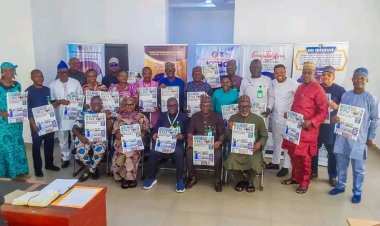
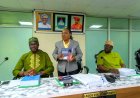
The Federal University Lokoja (FUL) has signed a Memorandum of Understanding (MoU) with the Nigeria-Korea Friendship Institute of Vocational and Advanced Technology in Lokoja, Kogi State, to strengthen specialised engineering training, research collaboration and technological innovation.
 Philip22
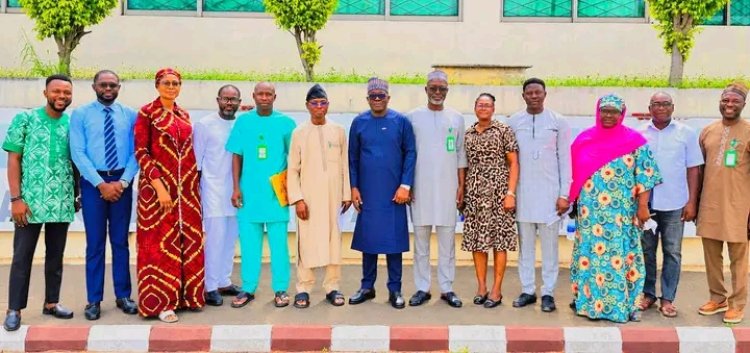
The Federal University Lokoja (FUL) has signed a Memorandum of Understanding (MoU) with the Nigeria-Korea Friendship Institute of Vocational and Advanced Technology in Lokoja, Kogi State, to strengthen specialised engineering training, research collaboration and technological innovation.
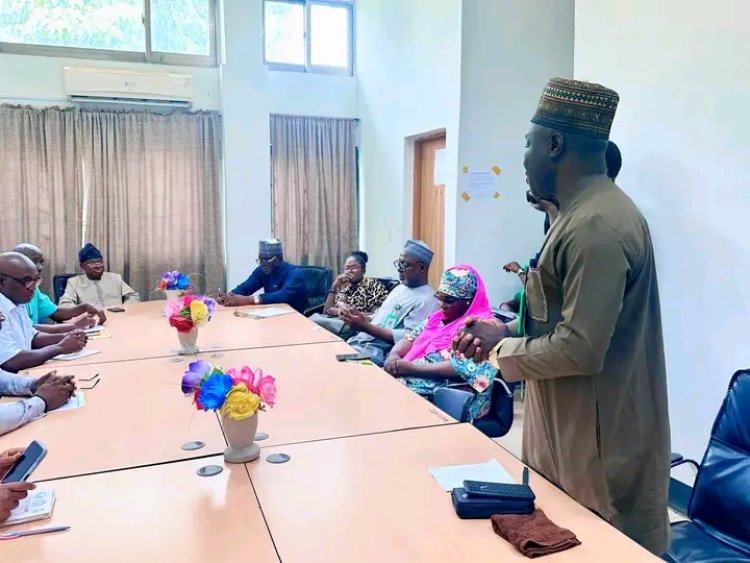
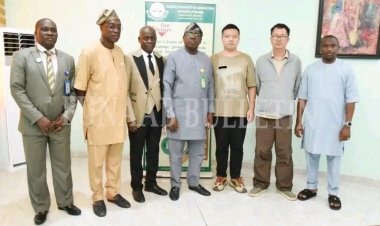
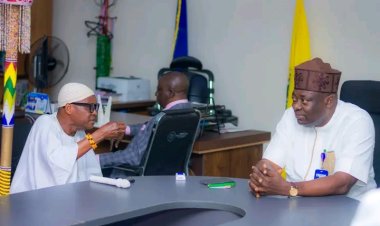
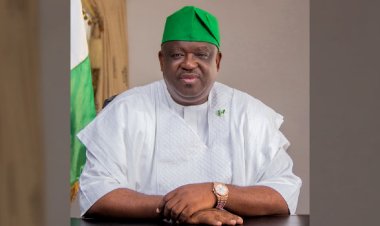
The agreement was signed on October 27, 2026, following an engagement between the University's Vice-Chancellor, Professor Gbenga Solomon Ibileye, and the Institute's Rector, Dr. Onumoh Ahmed Yahaya.
The partnership builds on the collaborative network established by Professor Kayode Joshua Simonyan, Dean of the Faculty of Engineering and Technology, FUL.
The Vice-Chancellor was accompanied by the Deputy Vice-Chancellor, Academic, Professor Saliu Danlamin Musa; the Registrar, Dr. Rebecca Okojie; Dr. Razaq Medupin; the Legal Director, Mrs. Amina Aliyu, Esq.; and the Transport Officer, Mr. Ahmed Muazu, among other members of the University's delegation.
Speaking during the engagement, Professor Ibileye thanked the Rector for responding promptly to the University's request for a meeting and approving the visit to formalise the partnership.
He observed that agreements of this nature often require several weeks or months of negotiations and administrative processes, describing the progress made within a short period as encouraging.
According to him, the Rector's prompt response demonstrated his commitment to collaboration and recognition of the importance of strategic partnerships to institutional and national development.
Professor Ibileye also disclosed that, despite the University's ongoing Governing Council engagements, the Council's leadership recognised the strategic importance of the meeting and encouraged him to prioritise the partnership.
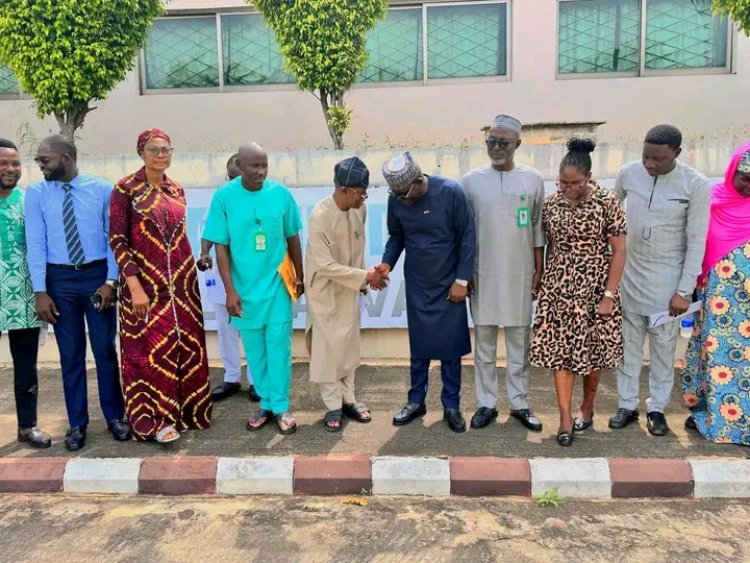
He expressed confidence that the collaboration would deliver benefits beyond the two institutions by providing future generations of Nigerian and international students with access to specialised facilities, relevant competencies and opportunities to contribute to technological advancement.
Highlighting FUL's growing international academic profile, the Vice-Chancellor revealed that the University currently had four postgraduate students from Kenya, Ethiopia, Ghana and Zambia undertaking master's and doctoral programmes in Engineering Physics.
He expressed optimism that the partnership would attract more international students by providing access to advanced training facilities and strengthening the University's research capabilities.
He added that the international exposure provided by the collaboration would enable students to share their academic and research experiences in their home countries, further enhancing FUL's visibility as a destination for advanced studies.
Describing the MoU as a foundation for broader opportunities, Professor Ibileye expressed confidence that sustained collaboration would produce significant academic, technological and developmental outcomes.
In his response, the Institute's Rector, Dr. Yahaya, emphasised the need for institutional partnerships that advance Nigeria's collective interests rather than the interests of individual institutions or localities.
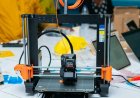
He explained that the Institute's buildings, equipment and specialised facilities were established with support from the Republic of Korea, providing an important foundation for technological advancement, research and vocational training in Nigeria.
However, he observed that the Institute's potential had not been fully harnessed, noting that its sophisticated facilities could support its emergence as a leading centre for specialised training and technological development in the country.
Dr. Yahaya reaffirmed his commitment to revitalising the Institute and ensuring that its facilities fulfil their intended purpose through tangible contributions to national development.
He also stated that the Institute remained open to additional areas of collaboration beyond the newly signed MoU, particularly initiatives that would maximise the value of its infrastructure and technical resources.
Reflecting on the Institute's decade of operation, the Rector noted that greater progress could have been achieved, especially in developing local technological production and assembly capabilities, including the assembly of Korean technologies where feasible.
Nevertheless, he expressed optimism that appropriate partnerships, sustained commitment and effective implementation of agreed initiatives could transform the Institute within a relatively short period.
He described the agreement with FUL as an important step towards achieving this vision and expressed hope that its commitments would translate into practical results.
The Registrar, Dr. Rebecca Okojie, who delivered the vote of thanks, appreciated the Rector for his growth-oriented leadership and commitment, which facilitated the swift conclusion of the agreement.
She also thanked members of both institutions and everyone who contributed to the successful engagement, acknowledging their support for the Rector and the partnership initiative.
Dr. Okojie described the agreement as an opportunity to deepen institutional friendship, expand collaboration and create an environment conducive to shared progress and success.
The partnership is expected to strengthen specialised training, research collaboration, technology development and international academic engagement between the two institutions.