FUL, Federal Establishments Propose Kogi Summit to Address Shared Challenges
The Federal University Lokoja (FUL) and the Association of Heads of Federal Establishments in Kogi State have proposed a summit to strengthen inter-agency collaboration, address common institutional challenges and promote sustainable development across the state.
 Philip22
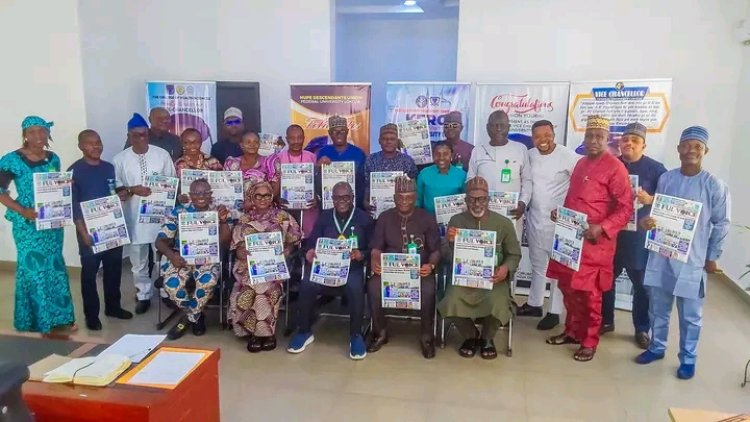
The Federal University Lokoja (FUL) and the Association of Heads of Federal Establishments in Kogi State have proposed a summit to strengthen inter-agency collaboration, address common institutional challenges and promote sustainable development across the state.
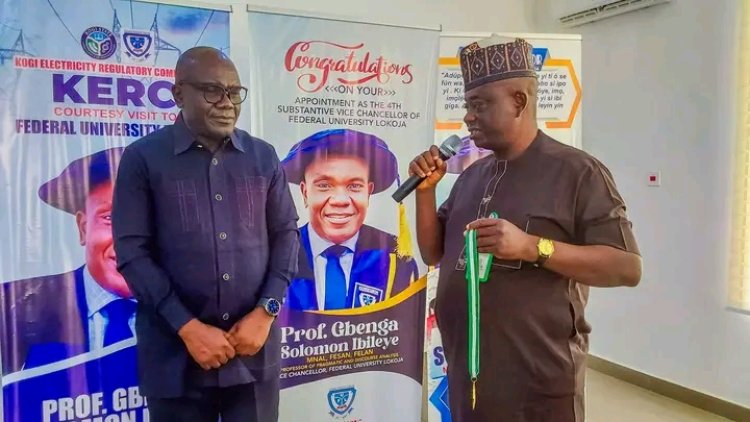
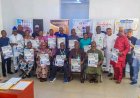
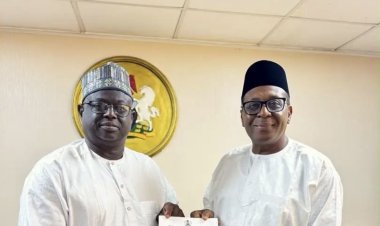
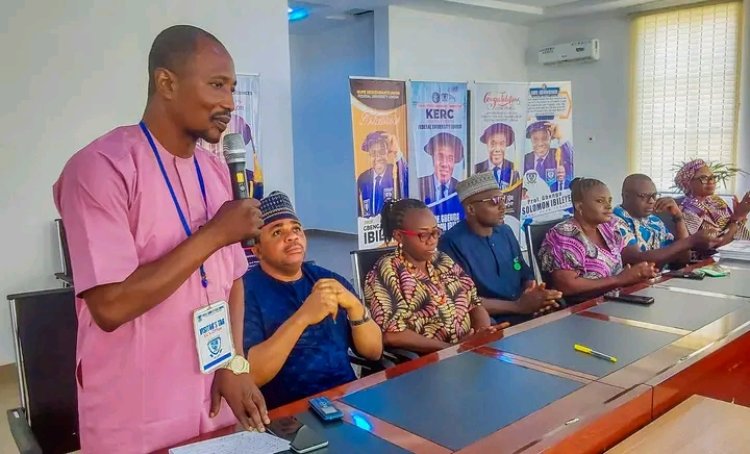
The proposal emerged during a courtesy visit by the association’s leadership to the Vice-Chancellor of FUL, Professor Gbenga Solomon Ibileye, at the university.
In his opening remarks, the association’s chairman, who is also the Kogi State Director of the Federal Character Commission, reaffirmed the organisation’s commitment to members’ welfare and community development through collective action.
He highlighted the association’s investments in education, including the establishment of a nursery and primary school funded through members’ contributions. He also disclosed plans to construct student hostels and classroom facilities, appealing for the university’s continued cooperation and support.
The chairman congratulated Ibileye on his appointment as the university’s fourth Vice-Chancellor and his recognition as a Fellow of the Nigerian Academy of Letters.
He also acknowledged Benjamin John Mshebwala for his longstanding role in representing successive vice-chancellors in the association and contributing to its administration.
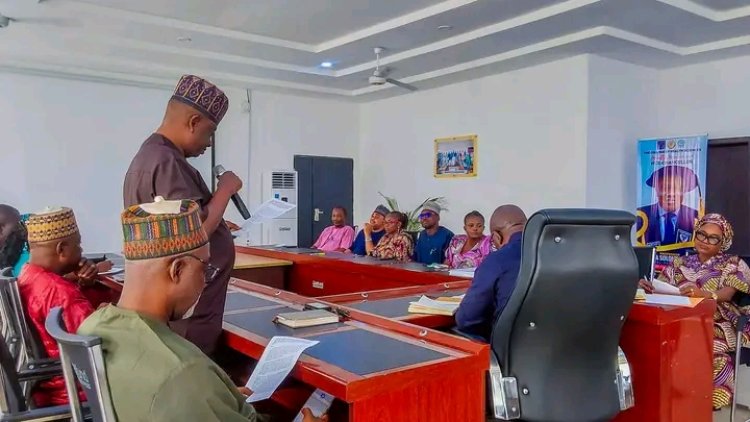
Responding, Ibileye described collaboration among federal establishments as essential to improving public service delivery, noting that institutions operating within the same environment could achieve more by pooling their expertise, resources and capacities.
He proposed a summit involving federal establishments in Kogi State to identify shared challenges, develop joint interventions and present the state’s specific needs to the Federal Government.
The Vice-Chancellor stressed that the proposed engagement should go beyond periodic meetings to produce practical and measurable outcomes.
He also highlighted the importance of constructive engagement between federal establishments and the Kogi State Government, commending the state government for its supportive disposition towards the university.
On student welfare, Ibileye recalled the tragic loss of five university students in a road accident and called for collaborative measures to reduce transportation risks and improve safety within the university community.
He urged relevant agencies to explore practical support mechanisms, including transportation and other welfare interventions, to address challenges affecting students and staff.
The Vice-Chancellor further identified opportunities for collaboration in artificial intelligence, robotics, cyber science, entrepreneurship, innovation and biotechnology research.
He mentioned the National Productivity Centre and the National Inland Waterways Authority, among other federal agencies, as potential partners whose expertise could complement the university’s research and development objectives.
Ibileye also commended the association for establishing a nursery and primary school, describing the initiative as an example of social responsibility.
He encouraged members to explore ways to revive and sustain the school rather than abandon it because of operational challenges.
Regarding the proposed hostel and classroom projects, the Vice-Chancellor welcomed the initiative, noting that FUL has more than 30,000 students but limited hostel accommodation.
He emphasised the need for partnerships and infrastructure development to address the university’s growing student population and improve the learning environment.
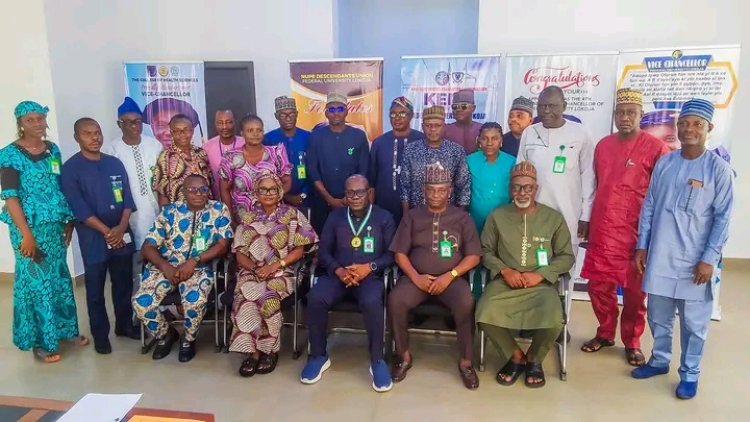
The proposed summit is expected to provide a platform for federal establishments in Kogi State to coordinate their efforts, develop solutions to common challenges and strengthen cooperation in student welfare, infrastructure and community development.