Goodluck Jonathan Warns Poor Ranking of African Universities Could Hurt Economic Development
Goodluck Jonathan has raised concerns over the poor global standing of African universities, warning that the situation could hinder the continent’s technological, industrial and economic development.
 judithhh

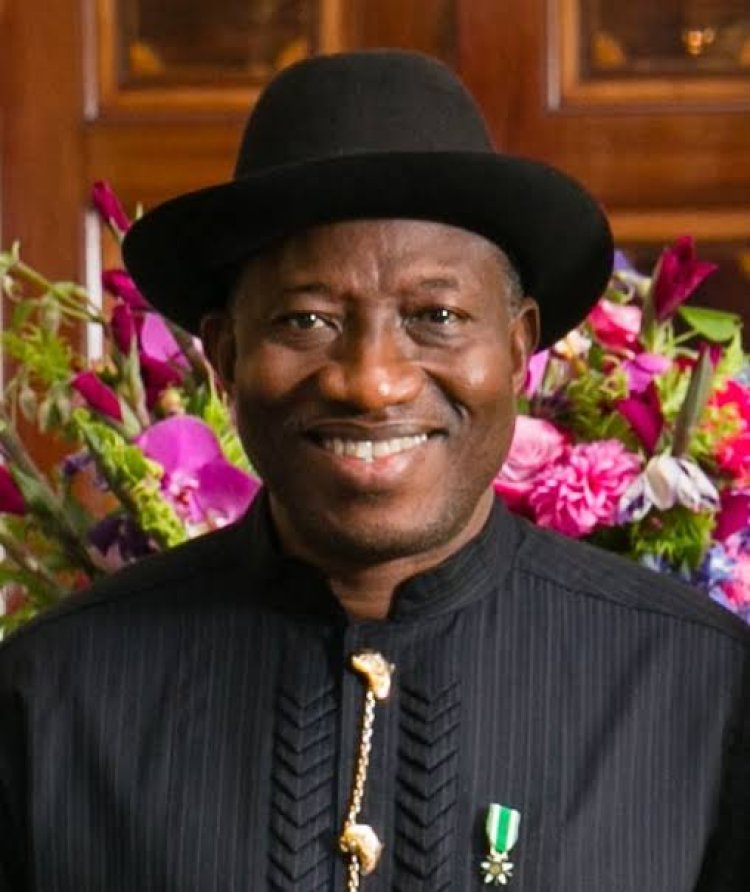
Former President Goodluck Jonathan has warned that the poor global ranking of African universities could undermine technology, industrialisation and economic development.
Jonathan raised the concern while speaking about the state of higher education in Africa, lamenting that no African university currently features among the world’s top 100 institutions, while only the University of Cape Town is ranked among the top 200. He described the situation as “terribly bad.”
The former President argued that the quality and global standing of universities should be treated as an important indicator of a country’s capacity to generate knowledge, develop technology and produce the skilled workforce required to drive sustainable economic growth.
He stressed the need for African countries to review their education systems from the primary level through university, particularly by developing institutions with specialised expertise capable of responding to the continent’s development challenges.
Jonathan said Africa could not afford to treat universities merely as institutions for awarding degrees, noting that higher education should serve as a foundation for research, innovation, industrial development and human-capital advancement.
He also expressed concern over the absence of specialised universities across the continent, suggesting that African countries needed to rethink the structure and priorities of their higher education systems.
The former President’s comments come amid continuing debate over the international visibility and competitiveness of African universities. While several institutions on the continent have made progress in research, innovation and international partnerships, African universities remain underrepresented at the highest levels of major global rankings.
For Jonathan, improving the situation requires deliberate and sustained investment rather than isolated interventions.
He pointed to Singapore as an example of how investment in education and human capital can support national transformation. Despite the country’s limited natural resources, he noted that deliberate investment in knowledge and capacity helped drive its economic development.
The former President therefore urged African leaders to place the development of the human brain at the centre of their economic strategies, describing human capital as one of the continent’s most important resources.
His argument places universities at the heart of Africa’s broader development agenda. Stronger universities can provide the research capacity needed to address challenges in areas such as agriculture, healthcare, technology, energy, manufacturing and climate change.
Improving university rankings, however, would require more than focusing on ranking positions themselves. Universities would need stronger research output, improved academic infrastructure, better funding, international collaboration, greater visibility of scholarly work and stronger links between research and industry.
The quality of teaching and learning would also remain central, particularly as African countries seek to produce graduates capable of competing in an increasingly knowledge-driven global economy.
Jonathan’s remarks therefore highlight a wider concern about whether African higher education institutions are receiving the resources and policy support necessary to fulfil their potential.
For Nigeria, the challenge is particularly significant given the country’s large university system and growing population of young people seeking higher education and employment opportunities.
A stronger university system could help Nigeria develop the specialised expertise required to reduce dependence on imported knowledge and technology while supporting local innovation and entrepreneurship.
Jonathan’s call also reinforces the need for governments, universities and the private sector to work together in building research ecosystems capable of turning academic knowledge into commercially and socially valuable solutions.
Ultimately, the former President’s warning is that weak higher education systems could have consequences far beyond the campuses themselves.
If African universities continue to lag behind their global counterparts in research visibility, innovation and institutional performance, the continent could struggle to develop the knowledge economy required to accelerate industrialisation and compete effectively in the global economy.
The challenge, therefore, is not simply to improve Africa’s position on global university league tables but to build institutions capable of producing the knowledge, skills, technologies and leaders needed to shape the continent’s future.