Governor Zulum Commissions Two New Schools in Maiduguri, Boosts Borno Education Recovery
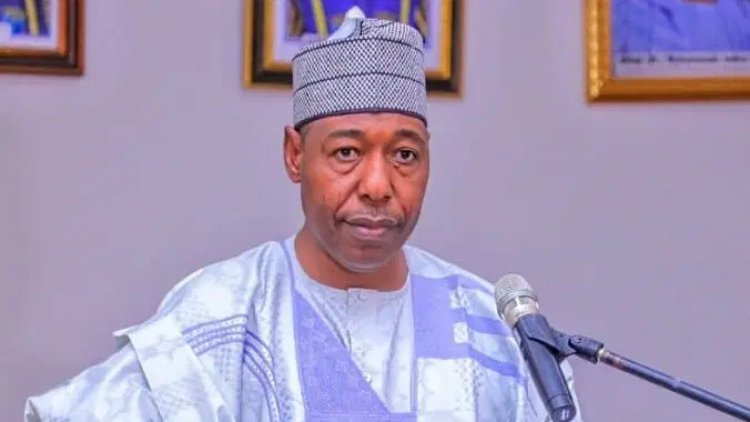
Borno State Governor Babagana Zulum has commissioned two major school projects in Maiduguri as part of efforts to rebuild the state’s education system after more than a decade of insurgency.
 judithhh
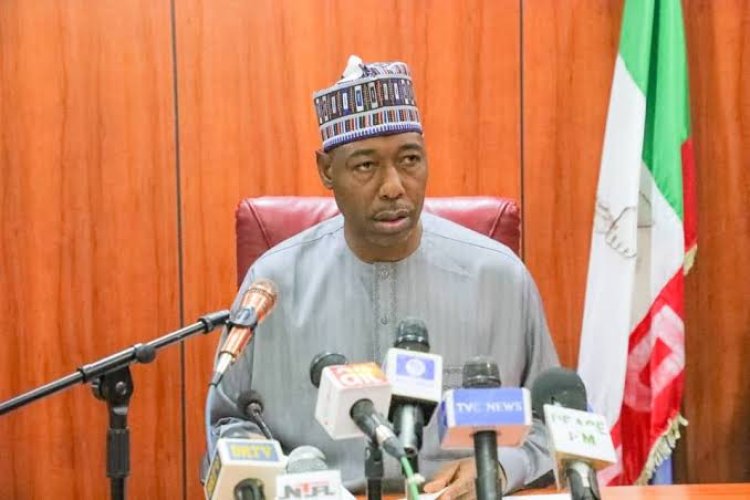
Borno State Governor, Professor Babagana Zulum, has commissioned two major school projects in Maiduguri as part of the state government’s continuing efforts to rebuild the education system severely disrupted by more than a decade of insurgency.
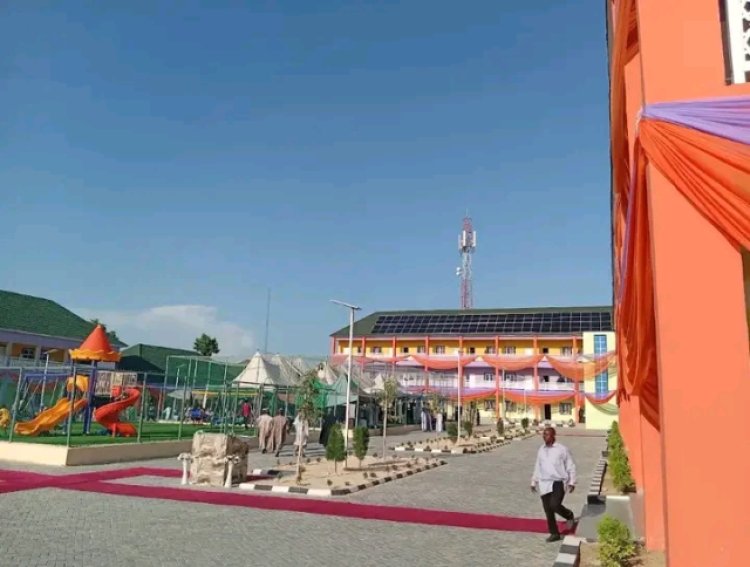
The projects, commissioned alongside other infrastructure in the state capital, include the Larawaram Community Senior Secondary School and the Shehu Sanda Kyarimi I Primary and Junior Secondary School. The development comes as the state intensifies efforts to restore access to education and improve learning conditions for children affected by years of insecurity.
The education component of the projects is particularly significant given the scale of destruction caused by the insurgency. Governor Zulum disclosed that more than 5,000 school structures were destroyed, while an estimated 2.2 million children were out of school at the peak of the crisis. He also noted that many teachers and school administrators lost their lives while carrying out their duties.
Against that background, the governor said rebuilding schools should not be viewed simply as a construction programme. According to him, restoring education infrastructure is also about reopening pathways to learning, rebuilding confidence in communities and giving children opportunities to secure better futures.
The scale of Borno’s education investment has also expanded considerably. Zulum said the state invested N46.98 billion in basic and secondary education between the 2025 and 2026 fiscal years, with the newly commissioned schools forming part of a broader programme that includes 136 completed projects awaiting commissioning.
The government has also reported an increase in usable classrooms and essential school facilities. At the public pre-primary and primary levels, the number of usable classrooms has risen to 5,792, while usable water, sanitation and hygiene facilities have reached 4,563. These facilities are particularly important in determining whether children can remain in school in safe and reasonably conducive learning environments.
At the senior secondary level, Zulum said the number of functional schools increased from 34 across eight local government areas in 2019 to 129 across 25 local government areas in 2026. The expansion is significant for a state where insecurity previously restricted access to schools and displaced large numbers of children and families.
There has also been a substantial increase in enrolment. According to the governor, the number of learners rose from 766,551 in 2019 to 1,801,295 in 2026, representing an increase of more than one million learners within seven years. The state government attributes the growth to expanded educational access, infrastructure development and increased public confidence in the school system.
The newly commissioned schools therefore carry significance beyond their physical structures. For communities that experienced prolonged disruption to education, the availability of functional classrooms can determine whether children return to formal learning, whether families regain confidence in the education system and whether teachers can operate in a more stable environment.
The development also places greater responsibility on the state to ensure that infrastructure expansion is matched by qualified teachers, adequate instructional materials, effective school leadership, safe learning environments and sustained funding. Expanding the number of schools and classrooms can improve access, but long-term educational recovery ultimately depends on what happens inside those classrooms.
For Borno, the challenge is particularly complex. Rebuilding an education system damaged by conflict requires not only replacing destroyed structures but also addressing the learning losses suffered by children who spent years outside school. It requires sustained investment in teachers, psychosocial support, curriculum delivery, digital and vocational skills, and mechanisms that help children who have fallen behind to catch up.
The latest commissioning in Maiduguri therefore represents one part of a much larger education recovery effort. With enrolment rising and the number of functional schools expanding, the next phase will be to ensure that increased access translates into better learning outcomes and stronger human capital development.
As Borno continues its post-insurgency reconstruction, the success of its education strategy will ultimately be measured not only by the number of schools rebuilt, but by the number of children who return to school, remain there, learn effectively and acquire the knowledge and skills required to rebuild their communities.