MOUAU Reaffirms Commitment to Evidence-Based Research for Nutrition, Food Security
The Vice-Chancellor of Michael Okpara University of Agriculture, Umudike (MOUAU), Prof. Ursula Ngozi Akanwa, has reaffirmed the University's commitment to providing an enabling environment and the necessary infrastructure to support evidence-based research, innovation, and interdisciplinary collaboration aimed at addressing Nigeria's nutrition and food security challenges.
 Philip22
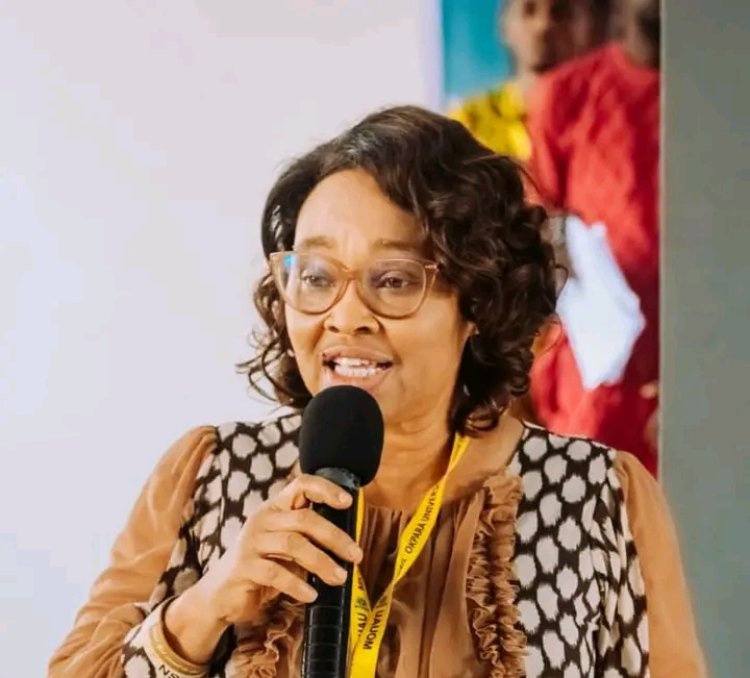
The Vice-Chancellor of Michael Okpara University of Agriculture, Umudike (MOUAU), Prof. Ursula Ngozi Akanwa, has reaffirmed the University's commitment to providing an enabling environment and the necessary infrastructure to support evidence-based research, innovation, and interdisciplinary collaboration aimed at addressing Nigeria's nutrition and food security challenges.
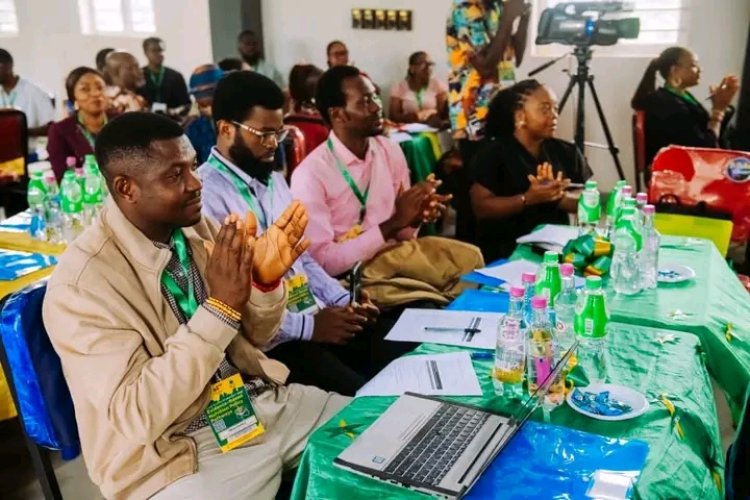
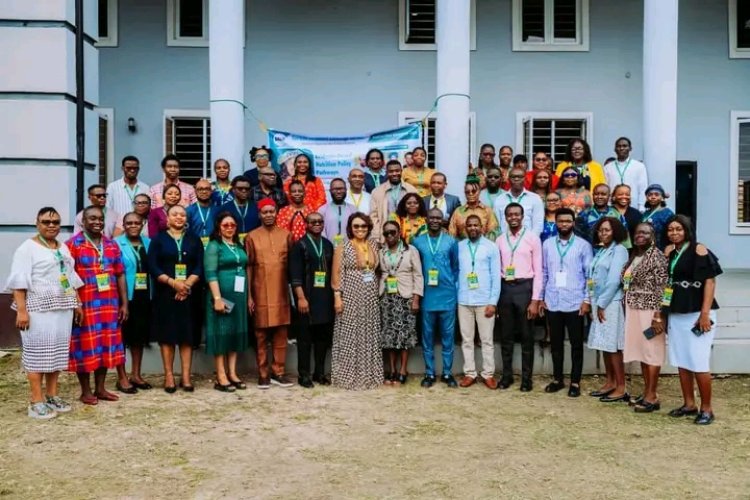
Prof. Akanwa made the pledge while declaring open the 2026 DAAD Alumni Workshop hosted by MOUAU with support from the German Academic Exchange Service (DAAD) and the German Federal Ministry for Economic Cooperation and Development (BMZ).
Speaking on the workshop's theme, "Evidence-Based Nutrition Policy Pathways: Strengthening DAAD Alumni Networks for Sustainable School Feeding and Circular Food Systems in Nigeria," the Vice-Chancellor said the event aligns with the University's mandate of using agriculture as a tool for sustainable national development and advancing the Sustainable Development Goals (SDGs). She noted that the workshop would equip participants with practical knowledge and skills to develop data-driven, policy-focused solutions for school feeding programmes and broader nutrition challenges in Nigeria.
Delivering the keynote lecture, titled "Iron-Deficiency Anaemia and Sustainable School Feeding: Evidence from Low- and Middle-Income Countries," the immediate past Director of MOUAU's Centre for Molecular Biosciences and Biotechnology (CMBB), Prof. Irene Ifeoma Ijeh, highlighted the effects of iron-deficiency anaemia on children's cognitive development, academic performance, and national productivity. She advocated stronger school feeding programmes, micronutrient supplementation, nutrition education, and resilient food systems as evidence-based strategies for tackling the preventable public health challenge and accelerating progress toward the SDGs.
Also speaking, the Country Director of the Partnership for Child Development (PCD) at the London School of Hygiene & Tropical Medicine and former Senior Special Assistant to the President on the National Home-Grown School Feeding Programme (NHGSFP), Mrs. Abimbola Adesanmi, called for increased investment in nutrition research to generate evidence for effective policymaking. She stressed the need to standardize school meals to ensure they provide adequate nutrition, improve children's health, enhance learning outcomes, and boost school enrolment nationwide.
In a presentation on food fortification, the Head of MOUAU's Department of Human Nutrition and Dietetics, Prof. Patricia Ukegbu, advocated the inclusion of iron-fortified grains and cereals in school meals under the National Home-Grown School Feeding Programme. She described the workshop, facilitated by MOUAU and DAAD alumnus Mr. Chimmuanya E. Ononogbu, as an important platform for translating research findings into practical nutrition policies that would improve children's nutritional well-being and strengthen sustainable school feeding programmes.
Prof. Ukegbu also commended DAAD and BMZ for supporting the initiative and encouraged participants to maximize the opportunity by fostering collaboration and developing innovative solutions to national development challenges.
The workshop featured resource persons including Mr. Canice Abea of the University of Abomey-Calavi, Benin Republic; Dr. Okeoma Jimoh Joseph of Baze University, Abuja; Prof. Ramatu Ali of Bayero University, Kano; and Mr. Chimmuanya E. Ononogbu of Chiang Mai University, Thailand. The experts led technical sessions and panel discussions on food fortification, alumni knowledge transfer, the valorisation of food processing by-products, biostatistical modelling in nutrition, circular food systems, sustainable school feeding models, nutrition policy implementation, and strategies for translating research evidence into practical interventions that improve food security and public health in Nigeria.
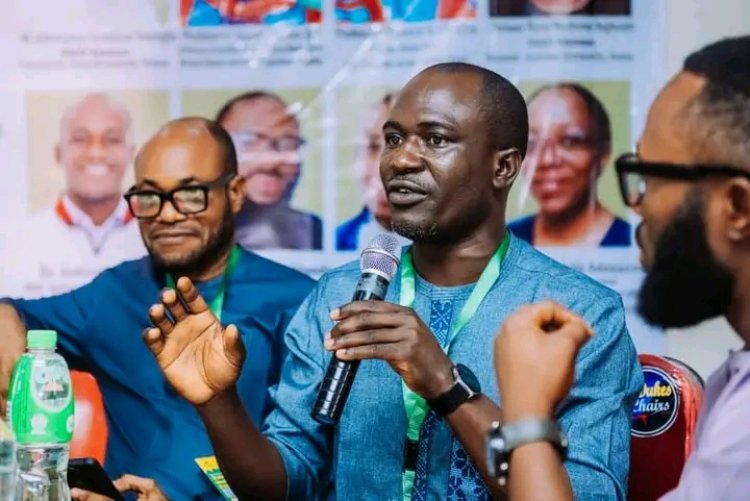
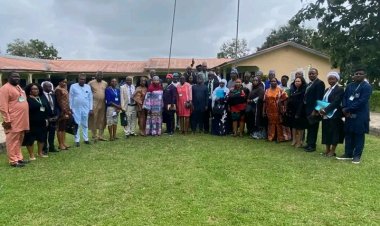
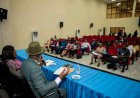
The two-day workshop attracted academics, policymakers, researchers, public health professionals, and MOUAU and DAAD alumni from across Nigeria and beyond. Organizers said the event underscored the commitment of MOUAU's Department of Human Nutrition and Dietetics to advancing evidence-based nutrition research, strengthening international academic partnerships, and promoting sustainable solutions to food security and public health challenges.