Nigerian Universities Challenged to Develop Technology for Detecting Fake Drugs
Nigerian universities, researchers and technology startups have been challenged to develop practical solutions for detecting fake drugs and counterfeit products.
 judithhh
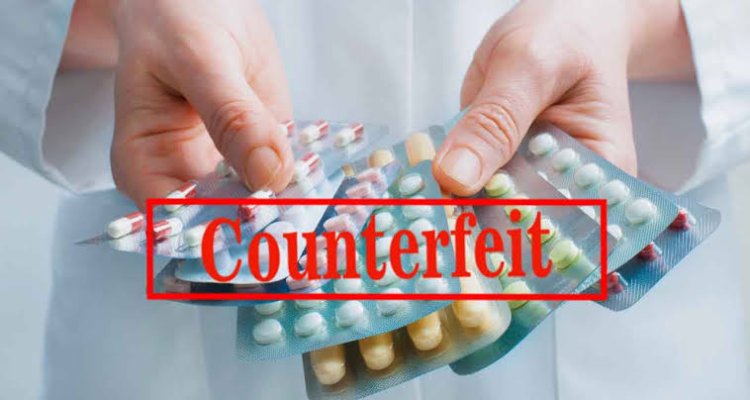
Nigerian universities, researchers and technology entrepreneurs have been challenged to develop practical technologies that will help consumers identify fake drugs and counterfeit products, amid growing concerns about public health and consumer safety.
The call highlights the need for universities to move beyond conventional academic research and create affordable, accessible solutions to everyday problems, particularly the circulation of falsified medicines and substandard consumer products across the country.
A proposed solution is a digital platform that allows consumers to use their mobile phones to verify product information before purchase or consumption, receive warnings about suspicious products and access guidance on reporting suspected counterfeits.
Counterfeit and falsified medicines can expose patients to harmful substances, delay treatment and worsen existing health conditions. Some substandard medicines contain insufficient active ingredients or contaminants, making them ineffective or potentially dangerous.
Patients receiving treatment for malaria, bacterial infections, hypertension, diabetes and other illnesses may face serious consequences if they unknowingly use fake medicines.
Other products, including counterfeit cosmetics, adulterated food and unsafe household chemicals, can also pose health risks. However, different product categories require different authentication methods.
Since counterfeiters can reproduce packaging, labels, logos and barcodes, visual inspection alone may not be enough to establish whether a product is genuine.
A reliable verification system could help bridge the information gap between manufacturers, regulators, distributors and consumers by making product information easier to access.
Nigerian universities are well positioned to address the challenge through collaboration among researchers in pharmacy, chemistry, microbiology, computer science, cybersecurity, engineering and data science.
Possible innovations include mobile verification applications, secure product-identification systems, tamper-resistant packaging and databases containing information on registered products.
Researchers could also develop tools that help identify suspicious product codes, track unusual distribution patterns and collect consumer reports for further investigation.
Universities could work with innovation hubs, manufacturers, pharmacies and investors to test prototypes and turn promising research into commercially viable solutions.
The goal is to ensure that academic research produces practical benefits rather than remaining limited to publications and laboratory experiments.
One possible innovation is a mobile application that allows consumers to scan a barcode or QR code, enter a batch number or use an approved authentication code to retrieve product information.
Where reliable records are available, the platform could compare the details with information supplied by manufacturers, authorised distributors and relevant regulatory agencies.
Artificial intelligence could also help identify suspicious patterns, such as the repeated use of the same authentication code in different locations or inconsistencies in product records.
However, scanning a barcode does not automatically prove that a product is genuine, as counterfeiters may copy legitimate codes. Similarly, a missing product record does not necessarily mean that the product is fake.
A responsible system should distinguish between verified matches, inconclusive results and suspected discrepancies, directing consumers to pharmacists, manufacturers or regulators when further checks are needed.
To reach more Nigerians, the technology could incorporate SMS verification, multilingual interfaces and offline-friendly features for people with limited internet access.
The challenge also presents opportunities for Nigerian technology startups working in health technology, pharmaceutical logistics, cybersecurity and supply-chain management.
Potential solutions could include authentication systems for manufacturers, secure product-identification services, fraud-detection software and digital tools for monitoring product distribution.
Universities could support emerging entrepreneurs through research laboratories, prototype-testing facilities, mentorship, seed funding opportunities and partnerships with industry stakeholders.
However, the success of these innovations would depend on reliable product databases, manufacturer participation, sustainable funding and public confidence in the verification process.
Developing an application alone would not be enough. The technology must be independently tested, regularly updated and supported by trusted information sources.
The National Agency for Food and Drug Administration and Control (NAFDAC) would be an important stakeholder in any credible initiative focused on detecting falsified medicines and other regulated products.
University researchers and technology startups would need to collaborate with the agency, manufacturers, licensed distributors, pharmacists and healthcare facilities to ensure that verification results are based on accurate information.
Such platforms could also provide channels for reporting suspicious products and help identify recurring complaints that may require regulatory investigation.
Nevertheless, digital verification tools cannot replace physical inspections, laboratory testing or enforcement operations. They should complement existing regulatory measures and help direct attention to potential threats.
For meaningful results, regulatory institutions should be involved from the early stages of research and development.
The broader challenge is to encourage Nigerian universities and entrepreneurs to develop practical, locally relevant innovations that strengthen consumer protection, improve access to trustworthy product information and help reduce the risks associated with fake drugs and counterfeit goods.