University of Ghana Vice Prof Nana Amfo Says AI Is Changing How Universities Should Assess Students
University of Ghana Vice-Chancellor Prof. Nana Amfo has urged universities to rethink traditional examinations and written assignments as AI transforms education.
 judithhh
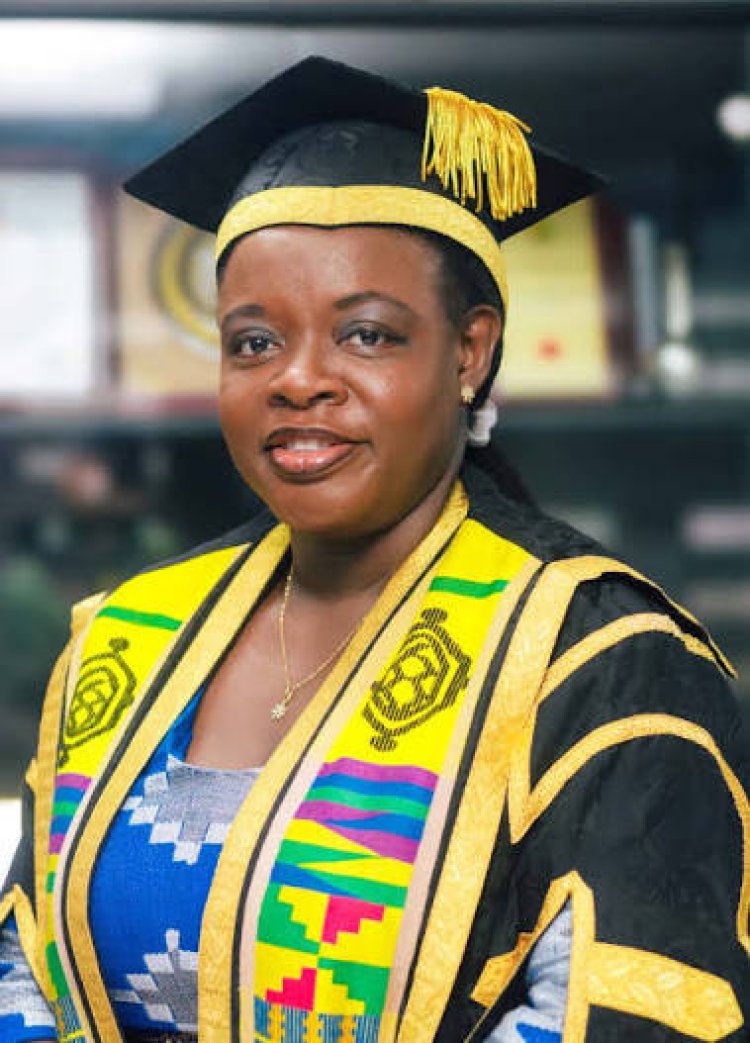
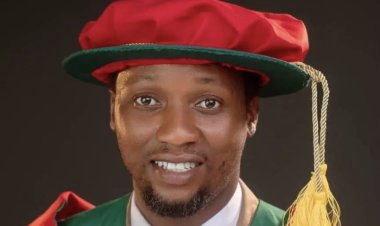
Vice-Chancellor of the University of Ghana, Prof. Nana Amfo, has urged universities to rethink their teaching and assessment methods as artificial intelligence (AI) makes it easier for students to generate essays and answers without necessarily demonstrating genuine understanding.
Amfo said universities should place greater emphasis on students’ reasoning, practical skills and ability to apply knowledge rather than relying heavily on traditional examinations and written assignments.
“If a student can generate an apparently competent essay in seconds, what exactly are we assessing when we ask for that essay?” she asked.
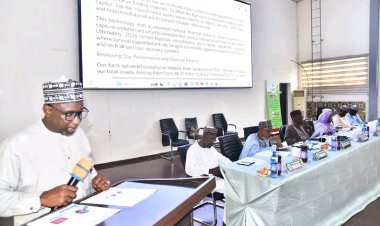
The Ghanaian academic spoke while delivering the keynote address at the formal opening of the University of Lagos (UNILAG) International Week 2026, held at the J.F. Ade Ajayi Auditorium. The event, which ran from October 12 to 17, had the theme, “Re-imagining Pedagogy and Teaching for Higher Education in the 21st Century.”
Amfo recommended the increased use of oral examinations, project-based assessments, portfolios, presentations and practical demonstrations to determine whether students understand what they learn.
She cautioned universities against treating AI solely as a threat to academic integrity or accepting it uncritically as a solution to educational challenges.
According to her, the priority should be to harness AI to improve learning without weakening students’ critical thinking and intellectual abilities.
She also called for digital literacy and applied AI to be incorporated into university curricula across disciplines, stressing that graduates must understand the technologies transforming society.
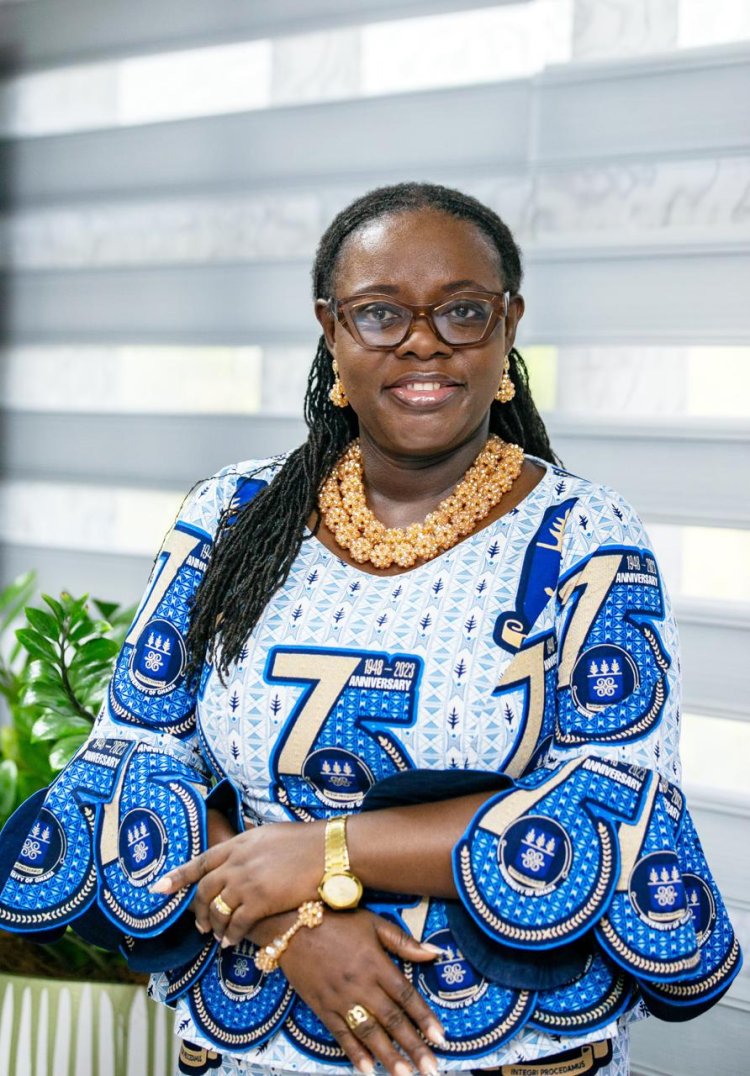
However, she warned that technological competence must go hand in hand with ethical awareness and an understanding of social inequalities associated with AI.
Amfo expressed concern over the limited representation of African languages in the datasets used to develop AI systems.
She noted that some AI tools struggle to recognise local names, accents, expressions and culturally specific meanings, potentially reinforcing existing linguistic and knowledge inequalities.
She urged African universities to contribute their languages, research, knowledge systems and ethical perspectives to AI development rather than remain passive consumers of foreign technologies.
The vice-chancellor also advocated student-centred teaching methods that encourage learners to construct, test and apply knowledge.
She identified problem-based learning, case studies, simulations, collaborative projects, fieldwork and community-based learning as effective ways to connect classroom lessons with real-world challenges.
Amfo further stressed the need for inclusive teaching practices that accommodate students with disabilities, those from disadvantaged backgrounds and learners whose first language differs from the language of instruction.
She called for accessible learning materials, appropriate assessment arrangements and institutional support systems to ensure that all students can participate fully in university education.
She also urged university leaders to support teaching innovation through staff development, appropriate incentives and policies that recognise teaching excellence alongside research achievements.
Lagos State Governor Babajide Sanwo-Olu, represented by the Commissioner for Tertiary Education, Tolani Sule, said AI should complement rather than replace human judgment.
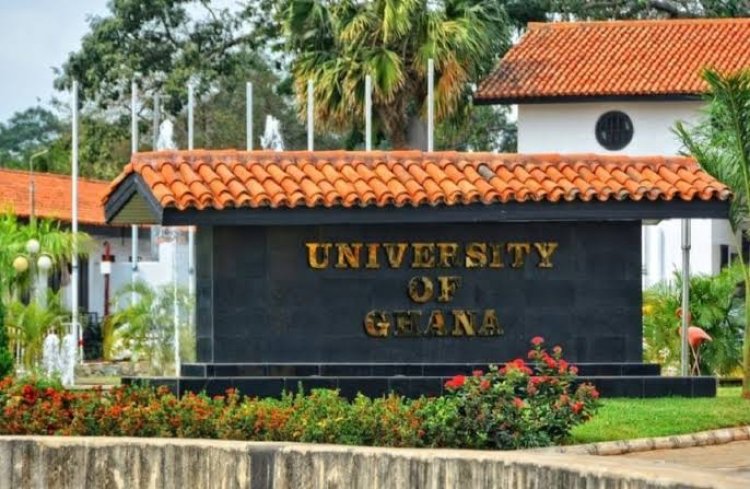
He urged students to use the technology responsibly and called on universities to produce graduates capable of solving societal problems and creating opportunities.
Representing the Minister of Education, Dr Tunji Alausa, Elizabeth Ogundipe said the Federal Government recognised the need to reform universities to meet changing educational demands.
She highlighted transnational education and international partnerships as important strategies for improving higher education and retaining talent in Nigeria.
UNILAG Vice-Chancellor, Prof. Folasade Ogunsola, said the International Week was organised to examine existing teaching methods and determine whether universities were adequately preparing students for the future.
She stressed that lecturers must adapt as employers increasingly demand problem-solving, digital and critical-thinking skills beyond academic qualifications.
The event also featured discussions on university-industry collaboration, teaching innovation and strategies for addressing African challenges through international partnerships.
Meanwhile, an energy expert, Abiodun Adesanya, has urged Nigeria to adopt a balanced approach to oil and gas development while gradually expanding renewable energy and reducing emissions.
Adesanya, Managing Director of Degeconek Nigeria Limited, made the call at the UNILAG Annual Research Conference and Fair, where he argued that energy security and economic growth should remain central to the country’s transition to cleaner energy.
He noted that although renewable energy was expanding globally, fossil fuels continued to account for a significant share of energy consumption and remained important to transportation, industrial production and the manufacture of essential products.
Citing global energy data, Adesanya said fossil fuels accounted for 86.2 per cent of the world's total energy supply in 2025, compared with 89.1 per cent in 2000. However, the absolute quantity of energy supplied by fossil fuels increased by 52 per cent over the period.
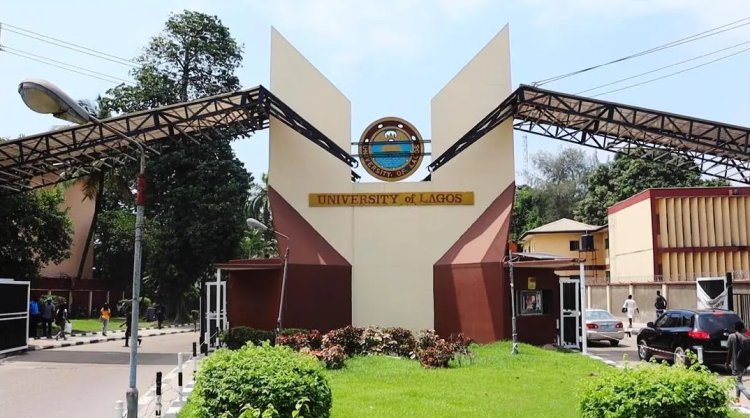
He said Nigeria should pursue an energy strategy that improves electricity supply, supports industrial development and delivers measurable environmental benefits.
Adesanya also highlighted opportunities for renewable energy investment, including distributed solar power, battery storage and improved electricity infrastructure.
The energy expert challenged UNILAG to build on its existing initiatives, including solar streetlights and electric buses, by conducting a comprehensive campus energy audit.
He proposed installing solar panels on suitable rooftops, exploring floating solar technology on the university lagoon and deploying battery storage to improve electricity supply to critical facilities.
According to him, a dedicated microgrid combining solar power, battery storage and backup electricity could protect laboratories, computing facilities and other essential research equipment from grid outages.
He added that the success of such projects should be measured by electricity availability, cost savings, fuel consumption and emissions reductions.
Adesanya also called for further research into the commercial prospects of oil and gas resources in the Dahomey Basin, while emphasising the need to address methane emissions, gas flaring and potential marine environmental impacts.
He said Nigeria's climate commitments, including its emissions-reduction targets and net-zero ambition for 2060, required a practical strategy that strengthens domestic energy supply while progressively increasing renewable energy adoption.
He urged UNILAG to combine research, energy efficiency and clean-energy projects to develop solutions that could be replicated across Nigeria.