LASU Hosts Global Psychology Gathering as Experts Call for Community-Centred Health Solutions
LASU Hosts Global Psychology Gathering as Experts Call for Community-Centred Health Solutions
 UmarFarouk123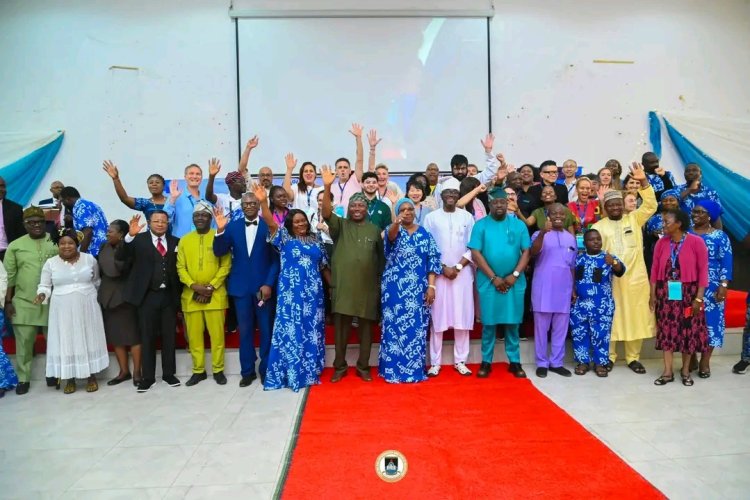
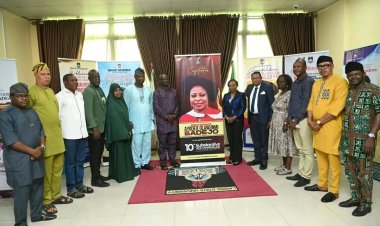
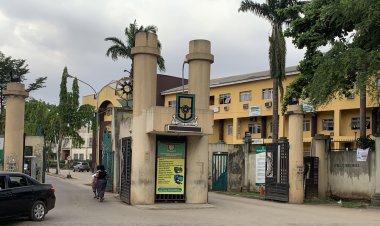
On Tuesday, 1st September 2026, Lagos State University became the global meeting point for scholars, researchers, psychologists, policymakers, and community leaders as the 11th International Conference of Community Psychology, ICCP 2026, formally commenced with a resounding call for stronger connections between research, policy and community well-being.
The conference, themed “Gathering in the Motherland: Celebrating Lifeways, Ways of Water and Reconnecting to the Source”, was held at the Femi Gbajabiamila Hall, Main Campus, Ojo, Lagos, and attracted participants from across Africa and beyond to explore how psychology can contribute to healthier communities, social inclusion, and sustainable development.
Chairman of the opening ceremony and Lagos State Commissioner for Tertiary Education, Hon. Tolani SULE, described the conference theme as a profound invitation to reconnect with identity, memory, belonging and meaning, noting that these elements lie at the heart of psychology. He said the gathering was particularly significant because it challenged participants to look beyond the individual and examine the broader social and environmental realities that shape human behaviour and well-being.
Hon. SULE stressed that psychology should never be viewed as an academic luxury but as a vital component of a healthy society. According to him, the discipline plays an indispensable role in education, healthcare, governance, workplace productivity, security, conflict resolution and leadership. He observed that in an era of rapid technological advancement and digital connectivity, many people remain emotionally disconnected, making psychological well-being more important than ever. The Commissioner argued that effective public policies must recognise the human emotions, aspirations and experiences that influence how societies function.
The Commissioner also described Lagos as a fitting venue for the conference, characterising the state as a “living laboratory” of community interaction because of its diversity, cultural richness and history as a crossroads of people, ideas, and opportunities. He further commended LASU for increasingly positioning itself as a global hub for knowledge exchange, citing the University’s recent hosting of major international academic gatherings.
Hon. SULE reaffirmed the Lagos State Government’s commitment to strengthening tertiary education through sustained investments in infrastructure, research, innovation, staff welfare, and student development while emphasising that great universities are ultimately built by people rather than physical structures alone.
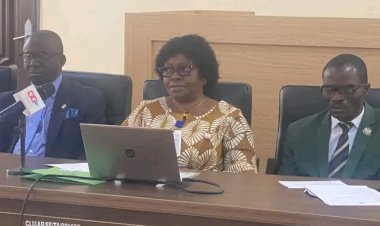
Earlier, in her welcome address, the Vice-Chancellor of Lagos State University and Chairperson of the Local Organising Committee, Distinguished Professor Ibiyemi Ibilola OLATUNJI-BELLO, mni, NPOM, described the conference as a landmark event for LASU, noting that it was the first time the University would host the prestigious international gathering.
She said Lagos, with its diversity, resilience and longstanding relationship with water, provided a natural setting for conversations around community, identity, and collective well-being. The Vice-Chancellor urged participants to move beyond merely studying communities and instead listen to them, understand their realities and ensure that research outcomes contribute meaningfully to improving lives.
Distinguished Professor OLATUNJI-BELLO further noted that the conference theme challenged scholars to examine the connections between people, place, culture, memory and community, while encouraging universities to remain closely connected to the societies they serve.
Delivering the keynote address on behalf of the Lagos State Commissioner for Health, Professor Akin ABAYOMI, Clinical Psychologist at the Lagos State University Teaching Hospital, Dr Leonard OKONKWO, said healthcare begins not in hospitals but within families, schools, workplaces and communities.
He argued that health outcomes are influenced by relationships, culture, socioeconomic conditions, the environment, and social support systems, making community psychology an indispensable component of public health.
According to the keynote speaker, public health must move beyond treatment alone and focus more deliberately on prevention, well-being promotion and community resilience. He called for the integration of mental health into primary healthcare systems and advocated stronger partnerships among psychologists, health care professionals, policymakers and community leaders.
The keynote address further identified anxiety, depression, substance misuse, trauma, and other psychological challenges as issues requiring community-based responses while urging researchers to ensure that academic knowledge translates into practical interventions capable of improving lives.
Also speaking, the Alternate Chairperson of the Local Organising Committee, Professor Deborah ADEWUYI, emphasised the multidisciplinary nature of community psychology and called for stronger integration of psychological services with community development initiatives.
She highlighted the importance of practical engagement with communities, referring to the delegates’ visit to Makoko as an example of how research, service and community realities can intersect to produce meaningful social impact.
Professor Andrew ZAMANI, President of the Pan-African Psychology Union, PAPU, in a virtual presentation, urged African psychologists to confront the historical and psychological consequences of slavery and colonialism while using the continent’s resilience as a foundation for renewal.
Reflecting on the conference theme, Prof. ZAMANI noted that Africa’s waterways, once routes through which millions were transported into slavery, had become symbols of survival and hope. He observed that the trauma of slavery and colonial rule had individual and collective consequences that continue to manifest in forms of social alienation, sectarian crises, religious intolerance, corruption, violence, and other developmental challenges.
He called for the conference to serve as a platform for shared learning and stronger partnerships between African psychologists on the continent and those in the diaspora, stressing that despite Africa’s linguistic, religious and ethnic diversity, Africans share a common identity.
Prof. ZAMANI challenged psychologists to engage critically with decolonisation, develop meaningful frameworks for collaboration between the diaspora and the motherland, and advocate for reparations for the human and natural resources taken from Africa during colonialism. He identified these as key priorities for PAPU, alongside reshaping psychology education to reflect Africa’s diverse contexts and lived realities.
The conference continues with scientific sessions, panel discussions and community engagement activities aimed at fostering research collaboration, policy development, and innovative approaches to strengthening community well-being across Africa and beyond.