Parents Lament High Cost of School Fees, Uniforms and Textbooks as New Session Begins
Parents across Nigeria are facing increasing financial pressure as schools resume for the 2026/2027 academic session, with rising fees and the cost of textbooks, uniforms, bags and other learning materials forcing some families to cut back and buy items gradually.
 judithhh
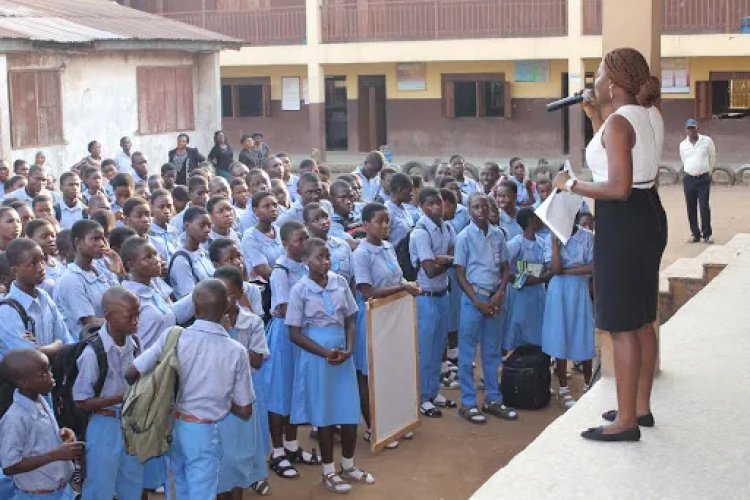
Nigerian parents are struggling with rising school fees, textbook prices, uniforms and other expenses as the 2026/2027 academic session begins.
As nursery, primary and secondary schools resume, families are struggling to meet the cost of school fees, textbooks, uniforms, shoes, bags, transport and other educational requirements.
Some parents have resorted to using old uniforms and school materials, while others are buying essential items gradually as funds become available.
Parents with children in terminal classes are particularly affected, as some schools have included examination fees and graduation-related expenses in their bills.
A father of three secondary school students, Samuel Adekola, said the cost of preparing his children for the new session was beyond what his monthly salary could comfortably cover.
He said his son would be sitting for WASSCE and other examinations, with the school including examination-related expenses in its fees.
According to him, he had appealed to the school to allow him to spread payment over five months, but the management approved only three months.
Other parents said they were prioritising essential textbooks and reusing uniforms, bags and other items that were still in good condition.
Florence Njoku, a parent in Abuja, said school resumption comes with several financial responsibilities, including books, shoes, bags, meals and other necessities.
She advised parents to begin preparations early rather than waiting until the last minute.
Another parent, Kassie Emem, said replacing her children's uniforms had cost her more than N100,000, excluding sportswear and school fees.
She appealed to school owners to be considerate in their billing, noting that the current economic situation was already difficult for many families.
Parents in other states also complained about the rising cost of textbooks and educational materials.
Charles Chinekezi from Abia State said textbook and school-material prices had increased by between 20 and 30 per cent, adding that the rising cost of education, rent and other household expenses was putting parents under serious pressure.
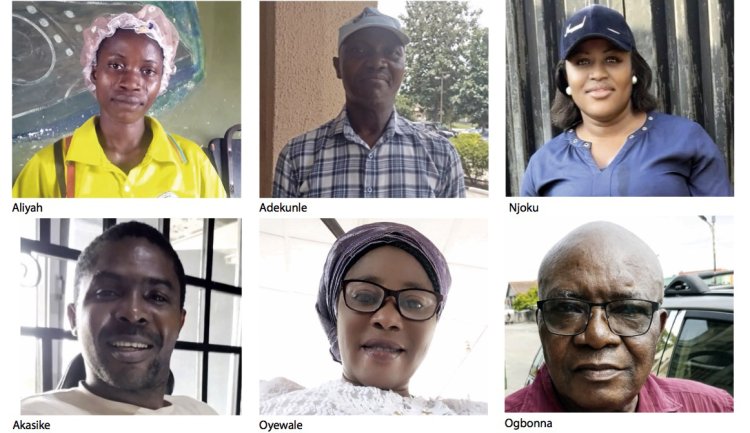
Another parent, Charles Ogbonna, said textbooks that were purchased two years ago had become significantly more expensive.
He urged the government to take urgent steps to address the rising cost of educational materials, warning that some families could struggle to keep their children in school if the situation persists.
The financial pressure on parents is also affecting booksellers, who traditionally record increased sales around school resumption.
Amasi Amadi, a bookseller in Abuja, said business had been slower than expected this year, with parents buying only the most essential materials.
He attributed the situation largely to economic hardship, saying parents were now prioritising their needs and purchasing school items gradually.
Another bookseller, Vitus Akasike, said the high cost of textbooks and other educational materials had contributed to the decline in patronage.
Samuel Alex, a bookshop director, also observed that while parents previously bought school supplies weeks before resumption, many are now purchasing them in stages because of financial constraints.
Some booksellers, however, said exercise books and other basic materials were still selling, although customers were buying smaller quantities at a time.
Overall, findings from different states show that Nigerian parents are facing significant financial challenges as the 2026/2027 academic session begins. The gradual purchase of school materials reflects how families are adjusting to the rising cost of education and the wider economic pressures affecting households.