CUSTECH VC Prof. Salawu Calls for Stronger University-Industry Collaboration to Drive Nigeria’s Industrialisation
The Vice-Chancellor of Confluence University of Science and Technology (CUSTECH), Prof. Abdulrahman Asipita Salawu, has called for greater value addition to Nigeria’s mineral resources
 judithhh
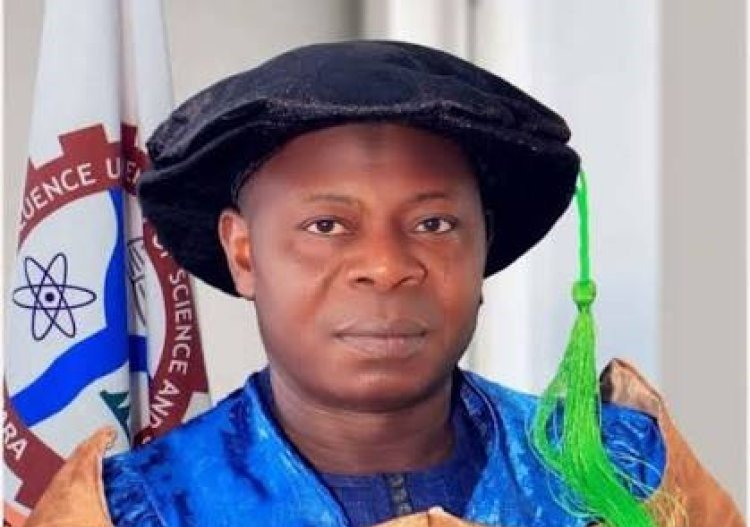
CUSTECH VC Prof. Abdulrahman Salawu has urged Nigeria to add value to its mineral resources through local processing to boost manufacturing, jobs and industrial growth.
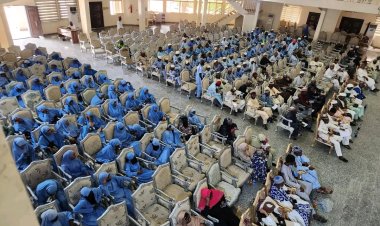
Prof. Salawu made the call on Thursday, August 13, 2026, while delivering the 133rd Inaugural Lecture of the Federal University of Technology, Minna, titled “Nature to Nature: The Mirage of Materials Longevity,” at the University Auditorium, Main Campus.
The lecture examined the life cycle of engineering materials, from their extraction and processing to deterioration arising from corrosion, wear and environmental interactions, while highlighting opportunities for Nigeria to transform its natural resources into economic and industrial value.
Prof. Salawu, a Professor of Materials and Metallurgical Engineering in the School of Infrastructure, Process Engineering and Technology, FUTMINNA, and currently on leave of absence, identified materials and metallurgical engineering as critical to Nigeria’s industrial development.
He noted that the country could derive greater economic benefits from its mineral resources if more attention was given to exploration, processing and beneficiation before such resources were exported.
The don criticised the continued export of raw materials alongside the importation of finished products, describing the pattern as a constraint to industrialisation, employment generation and economic self-reliance.
He advocated sustainable mineral processing, improved testing for corrosion and wear, the development of advanced biomaterials and stronger partnerships between universities and industry as part of measures to strengthen Nigeria’s manufacturing capacity.
The lecture also highlighted several areas of research undertaken by Prof. Salawu, including mineral beneficiation, corrosion control, green corrosion inhibitors, composites, nanocomposites, construction materials and biomaterials.
Among the innovations presented were research into the beneficiation of Nigerian iron, manganese and gold ores, as well as environmentally friendly methods of gold extraction using borax.
He also highlighted the development of asbestos-free brake pads using agricultural waste and anti-corrosion coatings designed to protect pipelines, storage tanks and other infrastructure from material degradation.
According to the don, converting agricultural and industrial waste into useful engineering materials could simultaneously address environmental challenges and provide alternative sources of materials for local industries.
His research also covers locally sourced biomaterials and biocomposites for applications in bone repair and biomedical implants, pointing to the potential for Nigerian researchers to contribute to the development of materials for the healthcare sector.
Prof. Salawu stressed that research conducted within universities would have greater economic and societal impact when effectively connected to industry.
He therefore called for stronger collaboration among universities, researchers, industries and relevant government institutions to facilitate the conversion of research findings into commercially viable technologies and products.
The Vice-Chancellor maintained that Nigeria’s industrial transformation would require a deliberate shift from dependence on imported finished products towards domestic processing, manufacturing and technology development.
He argued that adding value to locally available resources would create opportunities for job creation, strengthen indigenous industries and increase the economic returns generated from Nigeria’s mineral wealth.
Prof. Salawu also linked materials research to the broader challenge of infrastructure sustainability, noting that better understanding and management of material deterioration could help extend the lifespan of infrastructure and reduce avoidable replacement and maintenance costs.
The lecture therefore brought together issues of natural-resource utilisation, engineering innovation, environmental sustainability and industrial development, placing materials science at the centre of discussions about Nigeria’s economic transformation.
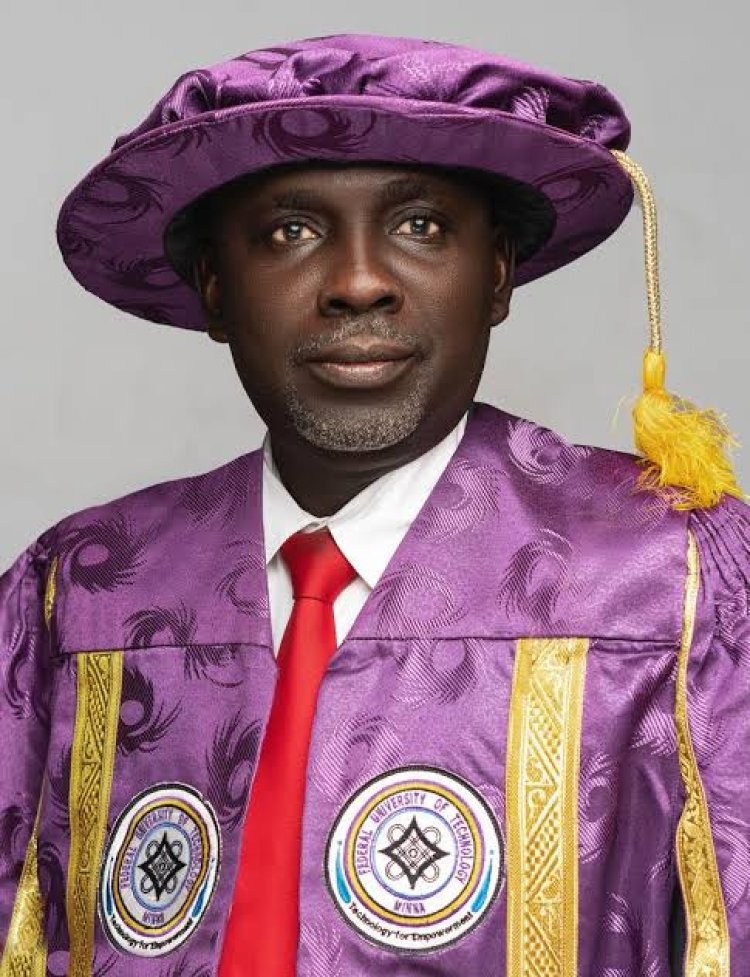
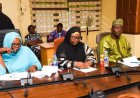
At the end of the lecture, the Vice-Chancellor of FUTMINNA, Prof. Faruk Adamu Kuta, presented a certificate and plaque to Prof. Salawu in recognition of his contribution to knowledge.
The event attracted academics, policymakers, industrialists, government officials, traditional rulers, colleagues, friends and other members of the university community, who also joined in honouring the inaugural lecturer.
Prof. Salawu’s lecture ultimately emphasised that Nigeria’s natural-resource advantage can only translate into sustainable economic development when raw materials are processed locally, research is converted into practical technologies and indigenous industries are equipped to compete in domestic and international markets.