FUNAAB Staff School Holds 2026/2027 Teachers’ Workshop on Modern Classroom Management
The FUNAAB Staff School has held its annual workshop for the 2026/2027 academic session, training teachers on effective classroom management and modern teaching strategies for 21st century learners.
 judithhh

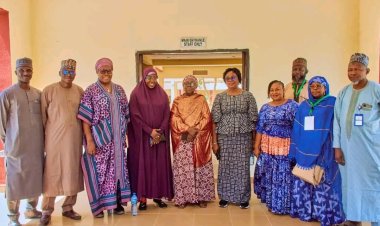
FUNAAB Staff School has trained teachers on effective classroom management, digital learning, work ethics and innovative teaching strategies for 21st century learners.
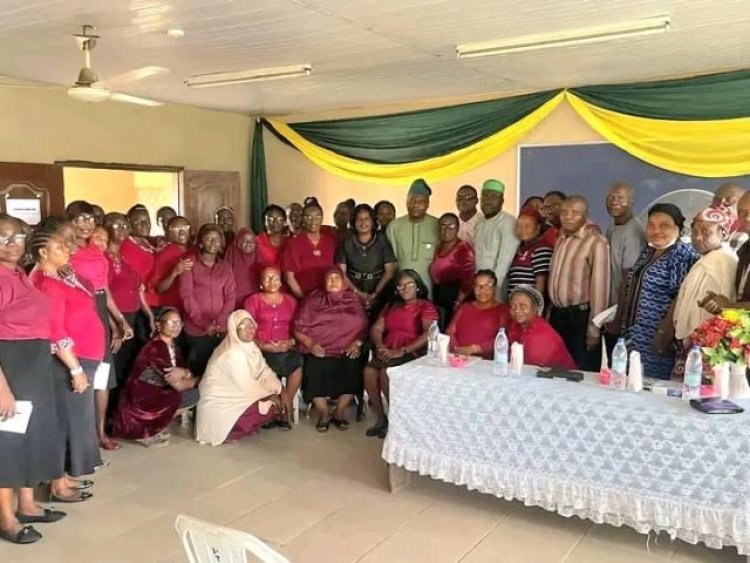
The workshop, held on Wednesday, September 9, 2026, focused on “Effective Classroom Management and Techniques for 21st Century Learners” and brought together members of the university community and education stakeholders.
Among those present were the Chairman of the FUNAAB Schools Management Board and Deputy Vice-Chancellor, Academic, Prof. Olusegun Idowu, who was represented by the Director of the Directorate of Academic Information Systems, Prof. Olusegun Folorunso; former Acting Registrar, Mrs. Oluwatoyin Dawodu; and Dr. Chiemeka Njoku.
In her welcome address, the Headteacher of the Staff School, Mrs. Florence Alade, said the workshop was organised in response to the changing nature of contemporary classrooms and the emergence of pupils as digital natives.
She explained that the curiosity, technological exposure and changing learning patterns of present-day pupils required teachers to move beyond conventional teaching approaches.
Alade said the training was intended to help teachers create classrooms that are engaging, disciplined and learner-centred, while also promoting academic excellence and character development.
Representing the Deputy Vice-Chancellor, Academic, Prof. Folorunso, Prof. Idowu stressed the importance of effective classroom management and appropriate communication in ensuring that knowledge is successfully transmitted to learners.
He commended the teachers for their commitment to maintaining and improving the academic standards of the Staff School, urging them to continue adopting innovative approaches that respond to the needs of modern learners.
The workshop also addressed the relationship between professional conduct and teaching effectiveness.
Delivering a lecture titled “Principles of Management and Work Ethics as They Affect the Teaching Profession,” Mrs. Dawodu highlighted managerial qualities and professional ethics required to improve productivity and effectiveness among teachers, particularly in technology-driven learning environments.
She emphasised the importance of effective interaction between teachers and pupils, noting that professional conduct remains essential even as technology changes the way classrooms operate.
The issue of attendance management was also discussed, with Mr. Saburi Sanusi stressing the importance of maintaining accurate records of pupils’ attendance.
He disclosed that the Staff School would adopt a digital attendance-marking system, representing another step towards the use of technology in the administration of the school.
Dr. Njoku, who delivered the third lecture on “Effective Classroom Management,” encouraged teachers to adopt innovative and participatory approaches that would make pupils active participants in the learning process.
He particularly advocated techniques such as gamification, which can make lessons more engaging while providing teachers with useful feedback on pupils’ understanding and participation.
Njoku urged teachers to recognise that modern learners respond differently to traditional classroom methods and therefore require approaches that encourage participation, interaction and continuous feedback.

The workshop ultimately highlighted the growing importance of teacher professional development as schools adapt to digital technology and changing patterns of learning.
For FUNAAB Staff School, the training provided an opportunity for teachers to strengthen their classroom-management skills while considering how discipline, communication, technology and learner participation can be combined to improve educational outcomes.
The initiative also aligns with the broader goal of promoting quality and inclusive education by ensuring that teachers are adequately prepared to support both the academic and character development of pupils.
The workshop was held in line with Sustainable Development Goal 4 (Quality Education) and SDG 16, reflecting the institution’s emphasis on effective education, responsible learning environments and positive development among young learners.