UI Faculty of Computing Hosts Maiden International Conference on Sustainable Computing
The Faculty of Computing, University of Ibadan (UI), has hosted its maiden International Conference, with the institution’s leadership emphasising the role of emerging technologies in driving sustainable development and solving societal challenges.
 Philip22
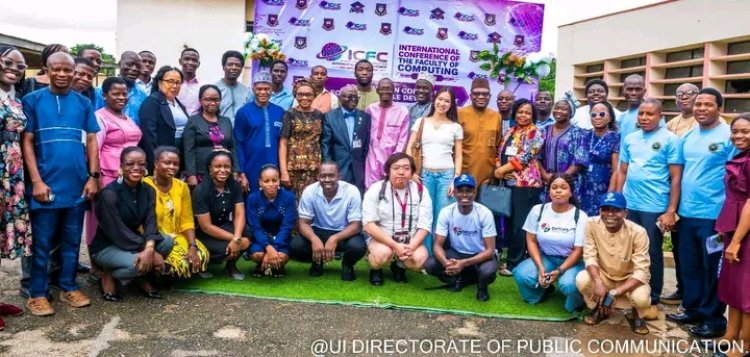
The Faculty of Computing, University of Ibadan (UI), has hosted its maiden International Conference, with the institution’s leadership emphasising the role of emerging technologies in driving sustainable development and solving societal challenges.
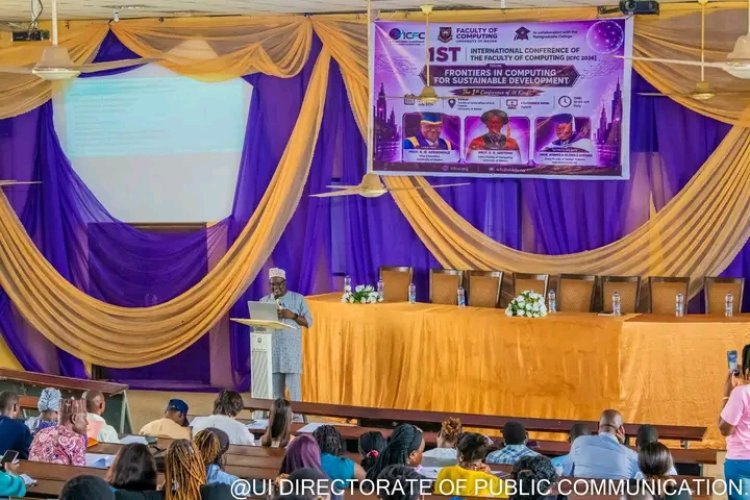
The Deputy Vice-Chancellor (Academic), Prof. Juwon Tunde Arotiba, FICD, FWACS, represented the Vice-Chancellor, Prof. Kayode O. Adebowale, mni, FAS, fspsp, at the opening ceremony of the conference.
Prof. Arotiba described the Faculty of Computing as a forward-looking faculty despite being one of the newer faculties in the University.
Speaking on the conference theme, “Frontiers in Computing for Sustainable Development,” the Deputy Vice-Chancellor said the theme represents a deliberate commitment by the faculty to focus on the future of computing and its impact on society.
He noted that computing has evolved beyond examining what technology can achieve to considering what it should achieve, who it should serve, and the implications for society and the environment.
Prof. Arotiba stressed that technologies such as Artificial Intelligence (AI), machine learning, and data science must be applied responsibly to address societal challenges, adding that research efforts should prioritise solutions that respond to local and national needs rather than simply adopting foreign models.
He identified Nigeria’s linguistic diversity as a major opportunity for research in Natural Language Processing and Conversational Artificial Intelligence, urging researchers to develop indigenous datasets and technologies that reflect African realities.
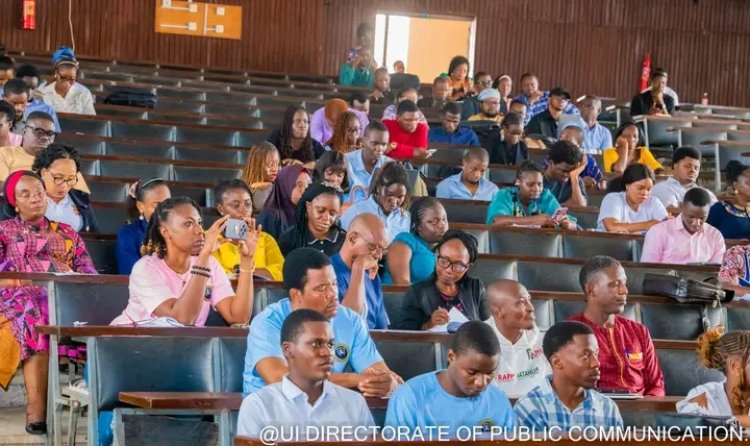
The Deputy Vice-Chancellor also highlighted the importance of Explainable and Responsible Artificial Intelligence, noting that transparency and accountability are essential for building public confidence in digital technologies.
He added that software engineering education must continue to evolve to prepare graduates for an increasingly AI-driven world.
Prof. Arotiba encouraged early-career researchers and young scholars to maintain intellectual rigour, strengthen their mathematical and engineering foundations, and ensure their innovations remain focused on improving human lives.
Earlier, the Dean of the Faculty of Computing, Prof. A. B. Adeyemo, described the conference as a significant milestone in the history of the faculty.
He explained that the theme was carefully selected to highlight the role of computing and artificial intelligence in addressing challenges across sectors such as healthcare, agriculture, climate resilience, and economic development.
Prof. Adeyemo stated that the conference brought together scholars, researchers, professionals, policymakers, industry experts, postgraduate students, and stakeholders in computing and related disciplines to exchange knowledge, present research findings, and discuss emerging trends.
He expressed confidence that the conference would contribute to national and global development while strengthening collaboration between academia and industry.
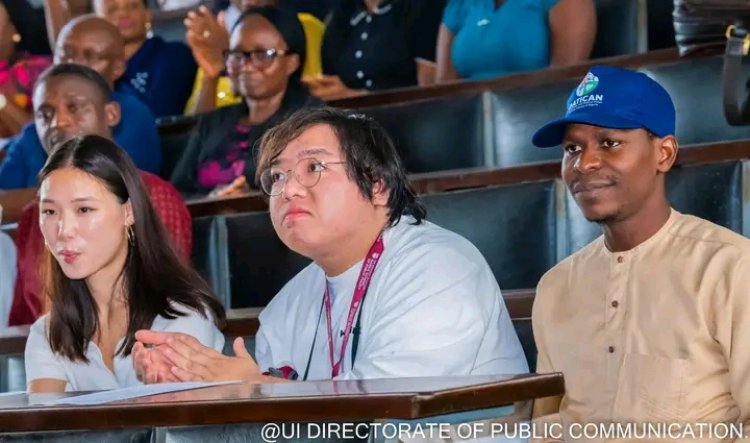
The first female Professor of Computer Science in Africa and one of the pioneers of Computer Science at the University of Ibadan, Prof. Adenike Osofisan, reflected on the transformation of computing at the institution.
She recalled that the department evolved from being one of the weakest academic units in the University into one of its strongest, eventually leading to the creation of the Faculty of Computing.
Prof. Osofisan encouraged the faculty to build on the achievements of its predecessors and described the conference as an important step towards repositioning computing for greater social impact.
In a keynote address, the Dean of the Faculty of Applied Sciences, KolaDaisi University, Prof. Ademola Olushola Adesina, examined the transformation of healthcare from the industrial era to the digital age.
He explained that emerging technologies, including artificial intelligence, electronic health records, telemedicine, and online health services, are reshaping healthcare delivery through improved diagnosis, precision medicine, and wider access to healthcare services.
Prof. Adesina stated that the conference provides an opportunity to explore new frontiers of learning and develop innovators capable of shaping the future of technology.
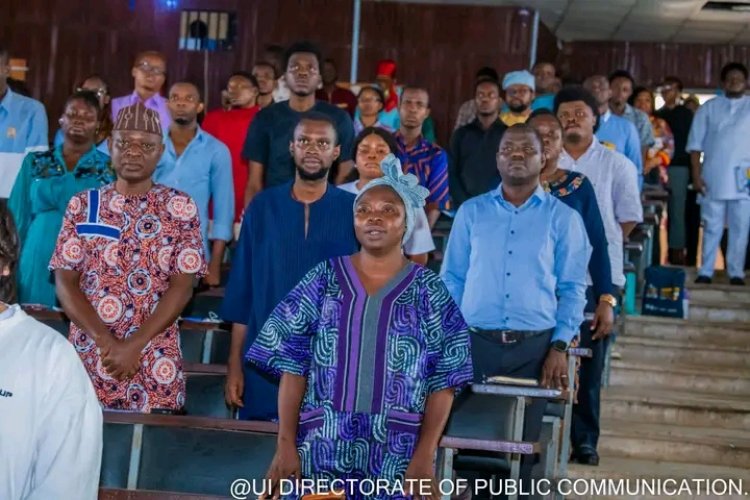
Goodwill messages were delivered by the Provost of the Postgraduate College, Prof. A. S. O. Ogunjuyigbe; the Director of the Distance Learning Centre, Prof. O. F. W. Onifade; and Prof. Benjamin Aribisala of Lagos State University, who served as Special Guest of Honour.