UNILAG Students Fear Missing Exams After School Fees Portal Closure
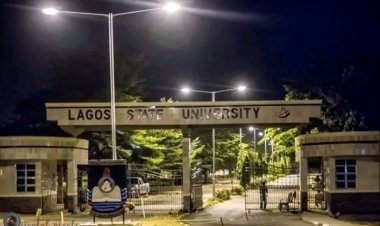
Students of the University of Lagos (UNILAG) are expressing growing concern following the reported closure of the institution's school fees payment portal.
 judithhh
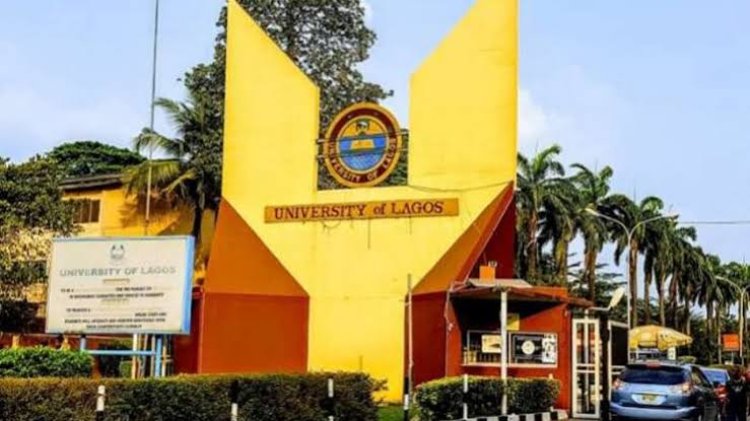
Students of UNILAG have expressed concern after the university reportedly closed its school fees payment portal, raising fears of missing examinations, delayed graduation, and possible extension of their academic programmes.
Concerns are mounting among students of the University of Lagos (UNILAG) after the institution’s school fees payment portal was reportedly closed, leaving many undergraduates worried that they could be barred from sitting for their examinations and, in some cases, compelled to extend their period of study by an additional academic year.
According to reports, several affected students said they were unable to complete payment of their mandatory charges before the portal was shut, despite efforts to raise the required funds. The development has sparked widespread concern within the university community, with many students appealing to the management to reconsider its decision and provide another opportunity for those yet to fulfil their financial obligations.
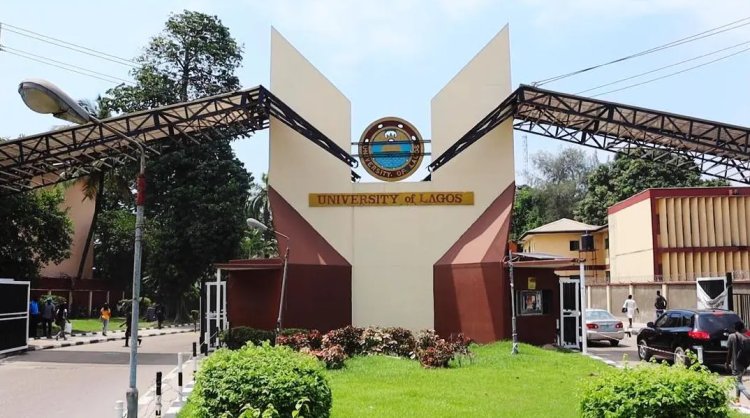
Students who spoke on the situation expressed fears that being unable to register their courses or regularise their payment status could prevent them from participating in the ongoing examination process. For final-year students in particular, such a development could delay graduation and postpone entry into the labour market or postgraduate education.
The situation has also placed additional financial and emotional pressure on many families already grappling with the rising cost of tertiary education. Some students reportedly attributed the delay in payment to economic hardship, explaining that they were still making efforts to source the required fees before the portal became inaccessible.
Education stakeholders note that while universities rely on internally generated revenue to sustain academic activities and maintain facilities, institutions must also recognise the financial realities confronting many students and parents. They argue that balancing institutional financial requirements with student welfare remains one of the major challenges facing higher education in Nigeria.
Analysts further observe that delayed access to examinations can have long-term academic consequences. Beyond missing a semester’s assessment, affected students may experience disruptions to their academic progression, scholarship opportunities, industrial training schedules and graduation timelines.
The development has renewed conversations about the need for more flexible tuition payment arrangements in Nigerian universities. Several education experts have advocated phased payment systems, expanded scholarship programmes, student loan accessibility and structured financial support mechanisms to reduce the number of students whose education is interrupted by inability to meet payment deadlines.
As of the time of this report, the university had not issued a fresh public statement announcing a reopening of the fees portal. However, UNILAG has consistently maintained that students are expected to comply with approved academic and administrative procedures, including payment timelines established for each academic session.
The situation has generated considerable discussion among students and education observers, many of whom hope that a solution can be reached that protects both the university’s administrative processes and students’ right to complete their academic programmes without avoidable disruption.
With examinations remaining a critical component of academic progression, attention is now focused on whether additional measures or interventions will be introduced to accommodate students affected by the closure of the payment portal while preserving the integrity of the university’s regulations.