American University of Nigeria President Dr. DeWayne Frazier Calls for Policy Changes to Attract More Foreign Students to Nigeria
The President of AUN, Dr. DeWayne Frazier, has identified rising costs, health insurance requirements and immigration policies as factors discouraging foreign students from studying in Nigeria.
 judithhh
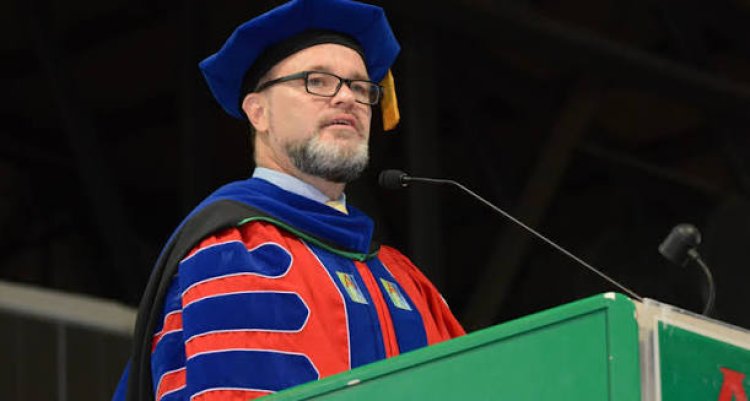
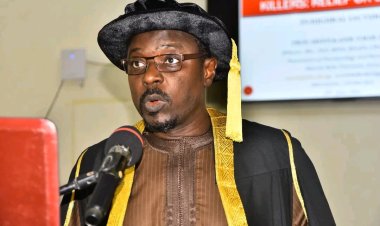
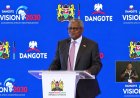
AUN President Dr. DeWayne Frazier explains why fewer foreign students are choosing Nigerian universities and calls for easier immigration and lower study costs.
First and foremost, we have to look at the policies that make it easy or difficult for international students to come to Nigeria. I don’t think people fully realised what happened last year with some of the new policies. For instance, there are new requirements around health insurance for foreign students, with students having to pay more than $1,100 for insurance. That is a huge amount when you consider the cost of education and the purchasing power of families in other African countries. Policies like that can make Nigerian universities less attractive to international students.
We need to be asking ourselves Do we want international students coming to Nigeria or not? I believe we should want them here. We have students from Cameroon, Niger, Ghana and other West African countries. When these students come to Nigeria, they bring different ideas, cultures and experiences. They also contribute to the economy.
We need to remove unnecessary barriers and make the immigration process seamless. If someone wants to come to Nigeria to study, we should make it easy for them to obtain the necessary documentation and settle into the country. An international student educated in Nigeria will also leave with a positive understanding of the country. That has long-term benefits for Nigeria.
What specific policies would you recommend to the Federal Government to make Nigeria more attractive to foreign students?
We should make immigration processes easier, review policies that increase the cost of studying in Nigeria and deliberately market our universities across Africa. We should also create incentives for universities that attract foreign students. Education is not just about teaching; it is also an economic activity. We need to see Nigeria as a regional education hub. We have the people, the universities and the resources. What we need is the political will and policies that encourage international students to choose Nigeria.

You have also spoken about the need to improve access to education for Nigerians. How can Nigeria balance attracting foreign students with addressing its own education challenges?
University is not for everybody, but education is for everybody. We need to ensure that every young person has access to some form of post-secondary education. That means expanding technical and vocational education and training, livelihood programmes and entrepreneurship education. We need to teach young people to become employers, not just employees.
Nigeria has a huge workforce and high unemployment. Entrepreneurship should therefore be embedded across our education system. At the same time, we must properly fund public universities. There is no shortage of intelligent young Nigerians. Some of the brightest young people I have met are here in Nigeria. We simply have to give them the tools to succeed.
What impact has the university made beyond its campus in Yola?
AUN is a private university with a public mission. Our work goes beyond the classroom. Our students work with public-school pupils, out-of-school children and communities. We conduct teacher training, livelihood programmes and entrepreneurship initiatives. We also have “Feed and Read”, which works with Almajiri boys. Instead of simply giving a child food for one day, we want to give him the education and skills that can provide food for a lifetime.
We teach English and Hausa and work with local imams, faculty and students. Some of these children speak Fulfulde or other local languages, so language skills can open opportunities for them in business and employment. We are also an economic engine for Yola. We have almost 800 employees and our students and alumni start businesses and create jobs.