Experts Call for Gender-Responsive Teacher Training to Promote Inclusive Classrooms
Education stakeholders are calling for the effective implementation of gender-responsive curricula in Nigerian teacher education programmes to promote inclusive classrooms and tackle gender stereotypes.
 judithhh

Education stakeholders are calling for gender-responsive teacher education in Nigeria to tackle stereotypes and promote inclusive classrooms for all learners.
The call is coming amid growing concerns about gender stereotypes in learning materials, classroom practices and subject choices, particularly in areas such as science, technology, engineering and vocational education.
A gender-responsive curriculum goes beyond simply ensuring equal numbers of boys and girls in classrooms. It requires curriculum content, teaching methods, learning materials and classroom environments to recognise and respond to the different experiences and barriers that can affect learners because of gender.
Nigeria’s National Policy on Gender in Education and its Implementation Guide has already identified the development and promotion of gender-responsive curricula for teacher education as a policy priority. The policy also calls for learning materials to be free from gender bias and stereotypes and for teachers to receive appropriate training in gender-responsive teaching and the use of ICT in lesson delivery.
Experts have argued that the effectiveness of such policies will depend largely on the capacity of teachers to translate them into everyday classroom practice.
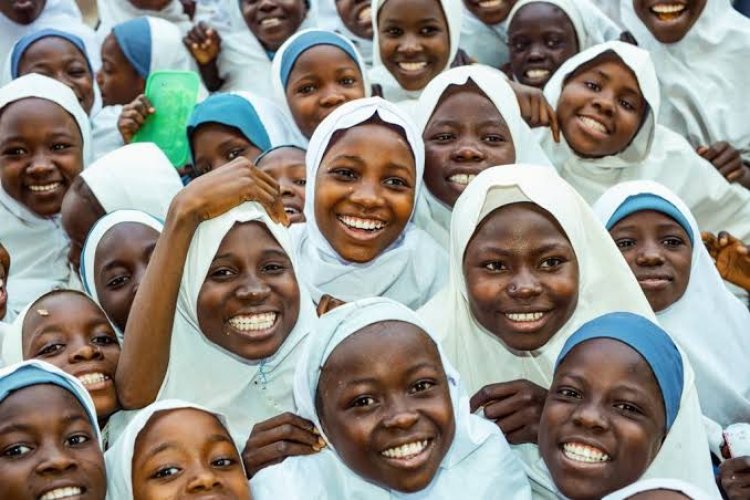
Research on teacher education has similarly found that teachers’ knowledge, skills and attitudes can influence the successful implementation of gender-responsive pedagogy. This is particularly important because teachers operate within societies where cultural expectations and gender stereotypes can shape perceptions of what boys and girls should study or become.
A recent study on gender responsiveness in vocational and technical education also found that curriculum design can influence students’ participation and engagement. The research recommended continued curriculum reform, supportive institutional policies and greater societal awareness to address persistent gender stereotypes in technical and vocational fields.
The education sector therefore faces the task of ensuring that teachers are not only familiar with gender-responsive education policies but can also identify bias in textbooks, classroom examples, assessment practices and interactions with students.
For instance, learning materials that consistently portray men as leaders, engineers or decision-makers while presenting women primarily in domestic roles can reinforce stereotypes among young learners. Gender-responsive teaching seeks to challenge such representations by ensuring that educational content presents diverse roles and opportunities for both sexes.
Teachers can also promote inclusion by ensuring that boys and girls have equitable opportunities to participate in classroom discussions, practical activities, leadership responsibilities and career-oriented learning.
This is particularly relevant to science, technology and vocational education, where gender stereotypes have historically contributed to differences in participation. A more inclusive curriculum and classroom environment could encourage more girls to explore technical and scientific disciplines while also allowing boys to participate without being constrained by traditional expectations.
Recent academic work on teacher preparation has emphasised that curriculum reform alone may not be sufficient. Teachers require continuous professional development to understand gender-responsive pedagogy and apply it effectively in real classroom situations.
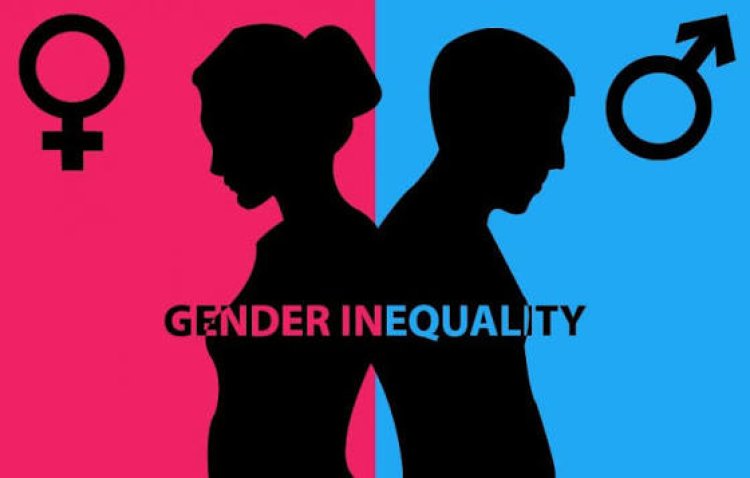
The British Council has similarly highlighted the importance of equipping teacher educators and teachers with practical resources for gender-inclusive teaching, noting that stereotypes can restrict learners’ educational and career choices.
For Nigeria, the issue is therefore not simply about introducing another policy document but ensuring that gender responsiveness becomes part of the way teachers are trained, assessed and supported throughout their careers.
Teacher-training institutions could play a central role by incorporating gender-responsive pedagogy into pre-service teacher education, while ministries of education and school authorities could strengthen in-service training, monitoring and professional development programmes.
Curriculum developers and textbook publishers also have an important responsibility to review educational materials for stereotypes and ensure that examples, illustrations and narratives represent both genders fairly.
Ultimately, advocates believe that empowering teachers with the knowledge and practical skills to implement gender-responsive education can contribute to more inclusive classrooms, broader participation in education and improved opportunities for young Nigerians.
The push for gender-responsive teacher education therefore represents part of a wider effort to ensure that Nigeria’s education system does not reproduce social inequalities but instead equips every learner, regardless of gender, with the confidence and opportunity to pursue education and future careers according to their abilities and aspirations.