Nigeria Needs Better Management, Allocation of Project Resources, Says FUTA Professor
A Professor of Construction Project Management at the Federal University of Technology, Akure (FUTA), Professor Oyewale Ojo, has called for more effective management and allocation of project resources as a critical pathway to improving project delivery in Nigeria.
 Philip22
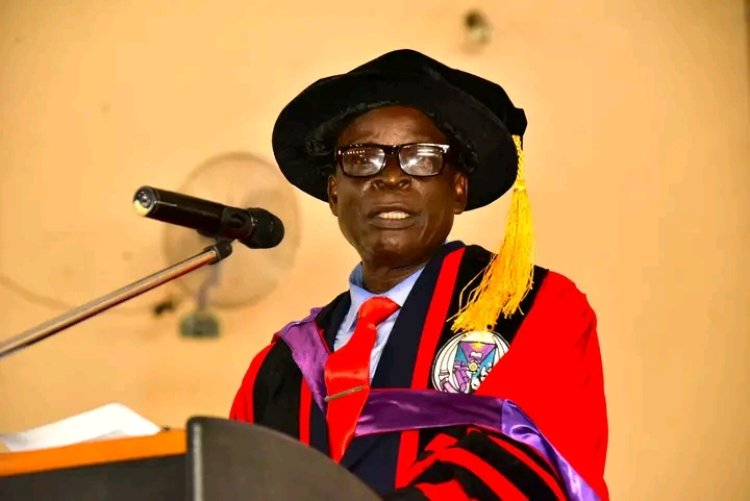
A Professor of Construction Project Management at the Federal University of Technology, Akure (FUTA), Professor Oyewale Ojo, has called for more effective management and allocation of project resources as a critical pathway to improving project delivery in Nigeria.
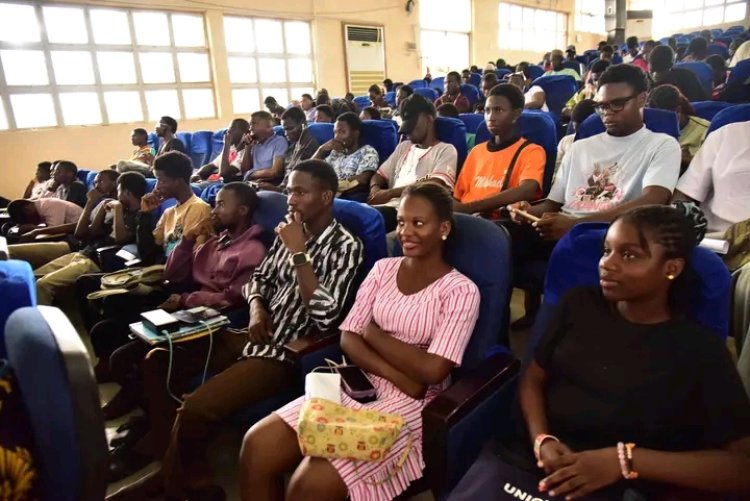
Professor Ojo made the call on Tuesday, August 11, 2026, while delivering the 204th inaugural lecture of the University at the Obafemi Awolowo Auditorium of the institution.
The don titled his lecture, “Resource Leveling: An Elixir Guaranteed to Induce Effective Project Delivery.”
Professor Ojo defined resource leveling as “the technique of adjusting the project schedule to resolve resource conflicts or over-allocation while maintaining efficient resource utilization.” He explained that it addresses the question of how to avoid overloading or under-utilising resources and how to correct conflicts or imbalances.
He also defined resource allocation as “the process of assigning the right types and quantities of resources necessary to complete a project from the beginning to the end.” According to him, resource allocation determines who performs a particular task and what can be used to execute the work effectively.
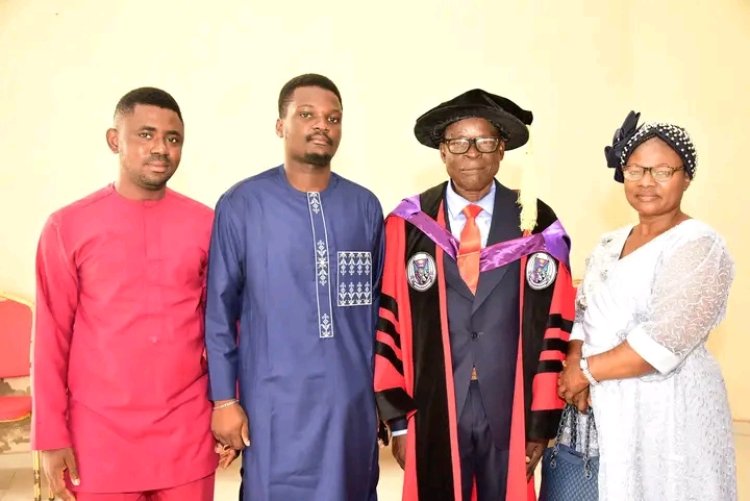
Dwelling on the role of project managers, Professor Ojo said they use various tools and techniques to level available resources during project execution.
He explained that the tools provide an overview of how resources are allocated, who is overloaded and who has the capacity to work on other tasks.
According to him, “resource leveling is not merely a scheduling technique, but a strategic imperative for effective project delivery. When resource leveling is properly understood and applied, it is an elixir for project delivery, especially in environments marked by resource constraints, uncertainty and complexity.”
Conceptualising resource leveling, particularly in project management, Professor Ojo said resource allocation, resource scheduling, resource leveling and resource smoothing are closely interrelated concepts used to effectively manage project resources.
He added that while the concepts are related, they perform different functions in the planning, execution and control of project resources.
Speaking on construction and other projects, the don said fluctuating resource demands create situations where workers experience periods of intense workload followed by idleness, thereby reducing overall productivity.
He explained that fluctuating resource allocation also creates challenges such as time overruns, which lead to cost overruns and reduced worker morale, as well as unpredictable project schedules that can affect stakeholder confidence.
On the significance of project management to the education sector, Professor Ojo said its importance has become increasingly evident in the evolving, technology-driven environment.
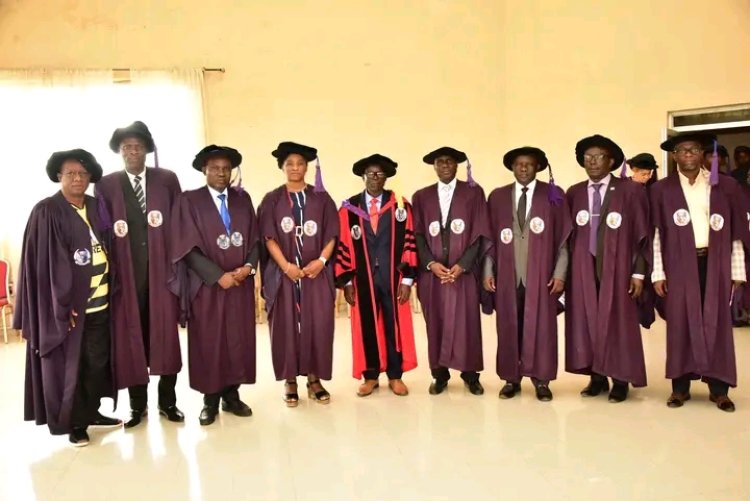
He noted that educators are required to manage complex projects involving multiple stakeholders, resources and deadlines, making project management methods particularly relevant to educators seeking practical tools.
According to him, educators can use project management principles effectively to improve teaching and students’ learning outcomes.
Professor Ojo recommended that governments, policymakers and regulatory bodies should enforce planning standards requiring resource scheduling and leveling as part of project approval and monitoring.
He further recommended that contractors should be required to submit resource calendars and resource allocation plans before funding or contract approval.
The don also called for competency training and capacity building for professionals involved in project planning and scheduling.
To practitioners and construction firms, Professor Ojo recommended the adoption of modern project management software such as DUCAP, MS Project and Primavera, as well as resource management tools that support resource leveling.
He also advised education institutions, academia and professional bodies to integrate resource leveling, resource-constrained scheduling and modern resource management techniques into project management curricula
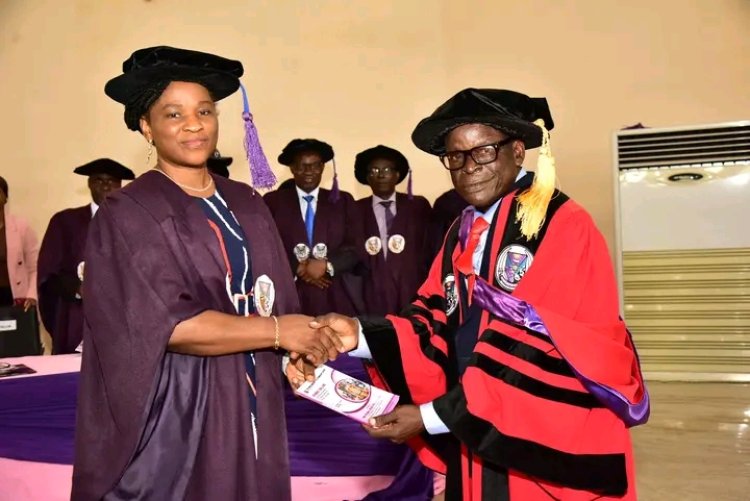
The Vice-Chancellor of FUTA, Professor Adenike Oladiji, who chaired the event, described Professor Ojo as a great asset to the University.
“Professor Ojo is a great academic who has churned out a number of graduates who are doing well in the society, in addition to adding value to the university,” she said.