NSUK Hosts 9th IMGA-Nigeria, First African Regional Conference on Medical Geology
Nasarawa State University, Keffi (NSUK), on Tuesday, July 29, 2026, hosted the 9th IMGA-Nigeria and First African Regional Conference and Exhibition on Medical Geology at the University's Old Senate Chamber.
 Philip22
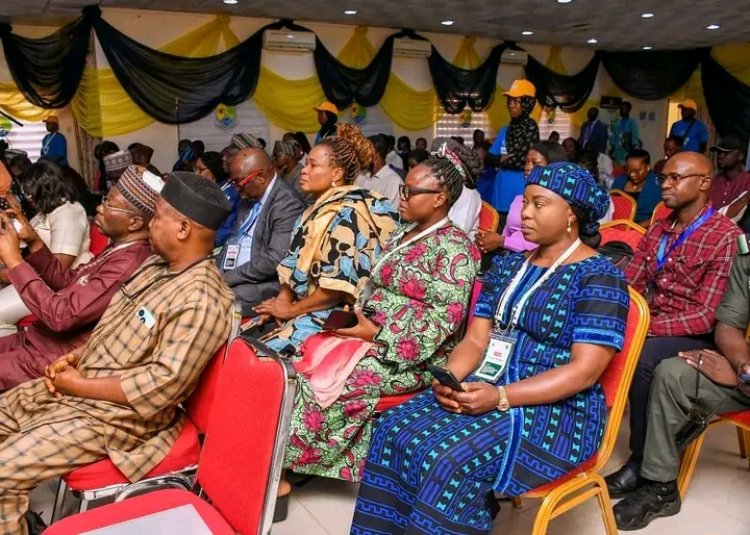
Nasarawa State University, Keffi (NSUK), on Tuesday, July 29, 2026, hosted the 9th IMGA-Nigeria and First African Regional Conference and Exhibition on Medical Geology at the University's Old Senate Chamber.
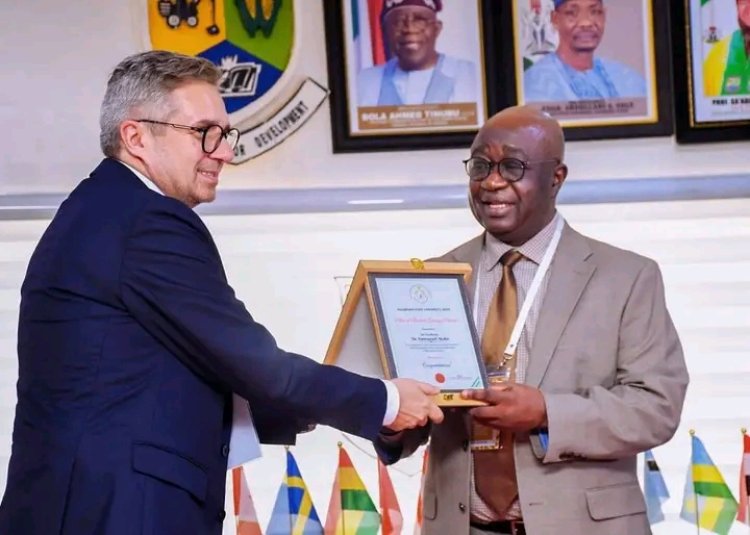
The conference, themed "Medical Geology in Public Health and Sustainability for the Creation of Resilient Community Systems," attracted dignitaries from academia, political institutions, traditional leaders, key stakeholders from Nigeria and abroad, members of the diplomatic corps, staff, students and members of the NSUK community.
In her opening remarks, the Vice-Chancellor, Professor Sa'adatu Hassan Liman, welcomed participants and commended the organising committee for its commitment to ensuring the success of the conference. She also praised the Deputy Vice-Chancellor, Research, Innovation and Linkages, Professor K'tso Nghargbu, for his dedication to academic excellence and acknowledged the Nasarawa State Government for its continued support toward the growth and development of the University.
Professor Liman described the conference as a historic milestone, stating that hosting the event demonstrated Africa's readiness to play a leading role in medical geology, research and innovation. She said the conference would make meaningful contributions to building resilient communities while strengthening the role of science in tackling public health and environmental challenges across the continent.
She further highlighted health risks associated with geological and environmental conditions, including fluoride contamination in groundwater, heavy metal pollution in mining areas, radon emissions from certain rock formations and arsenic contamination. She called for stronger collaboration among geoscientists, public health experts, policymakers and researchers to address health challenges linked to geological and environmental conditions across African communities.
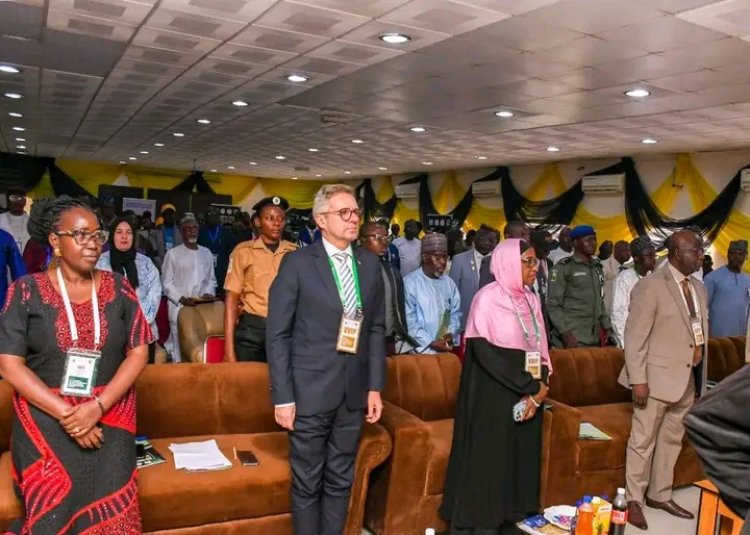
The Governor of Nasarawa State, Engr. Abdullahi A. Sule, represented by the Deputy Governor, Dr. Emmanuel Agbadu Akabe, congratulated the University on hosting the conference and commended the organising committee for successfully putting the event together.
He also applauded Professor Liman for her visionary leadership and commended Professor K'tso Nghargbu for championing impactful initiatives aimed at advancing medical geology in Nigeria and beyond.
Dr. Akabe emphasised the importance of medical geology in promoting environmental safety and sustainable national development. He urged participants to apply the knowledge and insights generated during the conference to address environmental and public health challenges while promoting healthier and safer communities.
Earlier in her welcome address, the Chairperson of IMGA-Nigeria, Dr. Temitope A. Laniyan, welcomed participants and expressed appreciation to the University management for its unwavering support toward the successful hosting of the conference.
Dr. Laniyan identified several strategies for building resilient community systems, including:
- Integrated geo-health surveillance.
- Curriculum evolution.
- Policy translation.
- Investigation of environmental anomalies.
- Modern frontiers in diagnostics.
- Climate change policy.
- Global health.
She encouraged participants to engage in robust academic discussions, share methodologies and strengthen professional networks to promote the sustainable growth and development of the association.
Delivering the keynote presentation titled "Innovative Translational Research: An Imperative for Building Resilient Community Systems in Resource-Constrained Environments," Professor Ibrahim Katampe stressed the importance of translational research in converting scientific knowledge into practical solutions that benefit society.
He noted that innovative translational research plays a critical role in transforming scientific discoveries, technological innovations, indigenous knowledge and policy insights into scalable interventions capable of addressing emerging real-world challenges.
Professor Katampe called for stronger collaboration among researchers, greater investment in digital capacity and the promotion of artificial intelligence-driven innovation to develop sustainable solutions to environmental and public health challenges. He also advocated the adoption of the Penta-Helix model to foster inclusive and innovative ecosystems capable of driving sustainable national development.
In separate goodwill messages, the Emir of Keffi, His Royal Highness Dr. Shehu Chindo Yamusa III, represented by Mallam Shamsuddeen Abubakar Maikasuwa; the Polish Ambassador to Nigeria, Michal Cygan, represented by the Deputy Ambassador; and the Deputy Vice-Chancellor, Research, Innovation and Development, Usmanu Danfodiyo University Sokoto, Professor Aliyu Jibril, congratulated Nasarawa State University, Keffi, for hosting the landmark conference.
They commended Professor K'tso Nghargbu for his outstanding contributions to advancing medical geology across Africa and beyond. They also emphasised the significance of the conference theme in promoting sustainable health, environmental protection and resilient community systems.
The conference brought together geoscientists, public health experts, environmental managers, policymakers, researchers, academics and other stakeholders from Nigeria and beyond to deliberate on the relationship between geological conditions, public health and resilient community systems as pathways to sustainable national development.
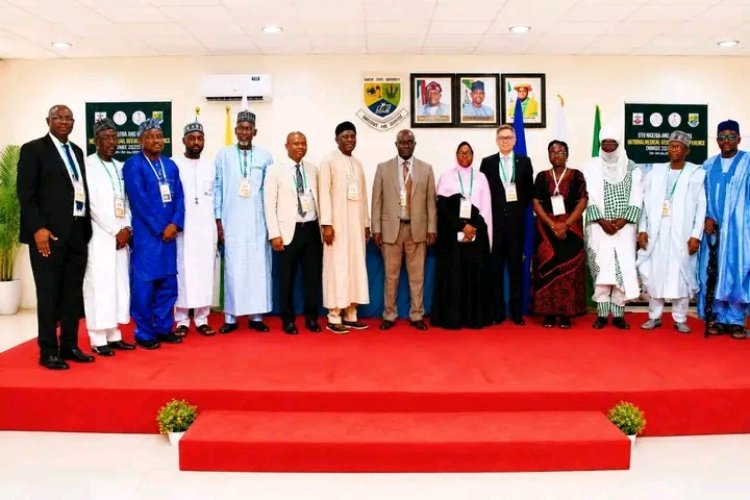
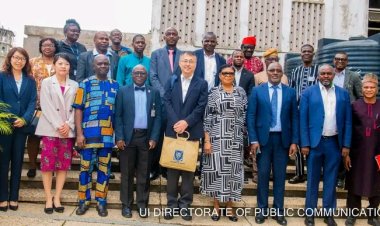
A major highlight of the event was the presentation of souvenirs and Awards of Excellence to distinguished personalities in recognition of their outstanding contributions to the advancement of academic excellence. The event concluded with a group photograph to commemorate the occasion.