UCH Radiation Oncology Department Inaugurates FoRDO to Strengthen Cancer Care
UCH Radiation Oncology Department Inaugurates FoRDO to Strengthen Cancer Care
 UmarFarouk123
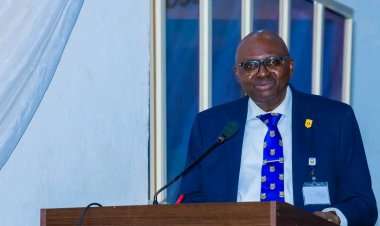
The Department of Radiation Oncology, University College Hospital, UCH, Ibadan, on Saturday, 29th August 2026, inaugurated the Friends of the Radiation Oncology Department, FoRDO.
Speaking at the event, the Head of the Department, Dr. Adebayo Oladeji, expressed appreciation to the hospital management and other stakeholders for their support and commitment to the initiative. He stated that FoRDO was established to transform the department into a leading center for cancer care, with a focus on training, research, and clinical services.
Dr. Oladeji added that UCH remains a high-quality patient care center providing evidence-based treatment.
In his goodwill message, the Permanent Secretary, Oyo State Ministry of Health, Dr. Kehinde Ayinde, emphasized the importance of supporting patient care through collaborative efforts and partnerships.
The Chairman of FoRDO, Prince Yinka Afonja, in his remarks, called for expanded research efforts to combat cancer and improve outcomes for patients.
The Chief Medical Director of UCH, Prof. Jesse Abiodun Otegbayo, who was represented by the Chairman, Medical Advisory Committee, CMAC, Prof. Olubukola Adesina, described the establishment of FoRDO as a demonstration of the power of partnership, compassion, and shared commitment to making a meaningful difference in the lives of patients and their families.
“Radiation Oncology remains a critical component of comprehensive cancer management at UCH. We recognize the enormous burden that cancer places on individuals, families, and the healthcare system,” she said.
“Beyond the clinical challenges, many patients and their families are confronted with financial, emotional, and social difficulties throughout the course of treatment. It is therefore important that we continue to explore innovative ways of supporting patients while strengthening the capacity of our institution to provide quality and accessible cancer care,” she concluded.