UI Don Calls for Strategic Investment to Unlock Nigeria’s Ecotourism Potential
A Senior Lecturer in the Department of Wildlife and Ecotourism Management, Faculty of Renewable Natural Resources, University of Ibadan, Dr. Adeniyi Taiye Adeyanju, has called for strategic investment, effective management and stronger partnerships to unlock the conservation and economic potential of Nigeria’s protected areas through ecotourism.
 Philip22
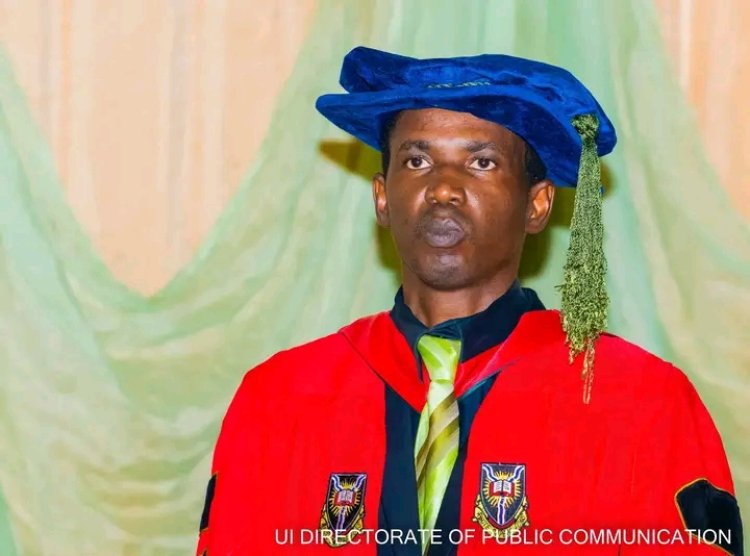
A Senior Lecturer in the Department of Wildlife and Ecotourism Management, Faculty of Renewable Natural Resources, University of Ibadan, Dr. Adeniyi Taiye Adeyanju, has called for strategic investment, effective management and stronger partnerships to unlock the conservation and economic potential of Nigeria’s protected areas through ecotourism.
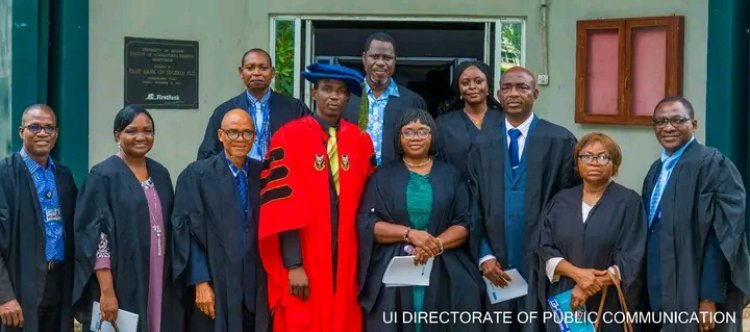
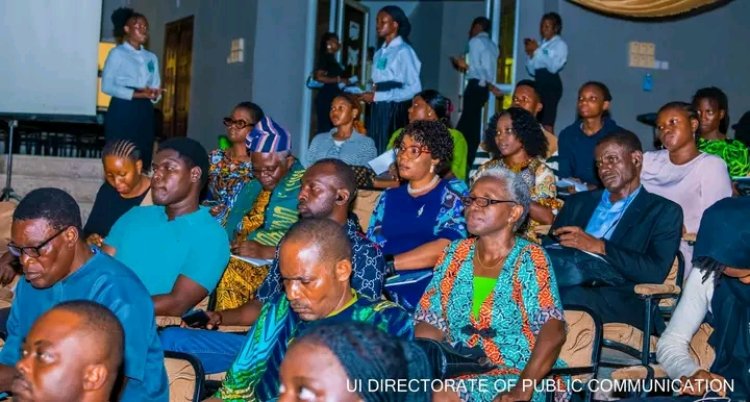
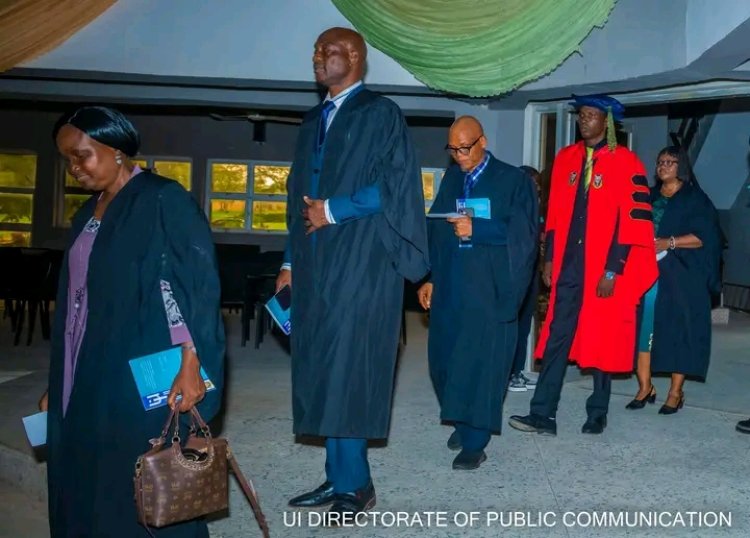
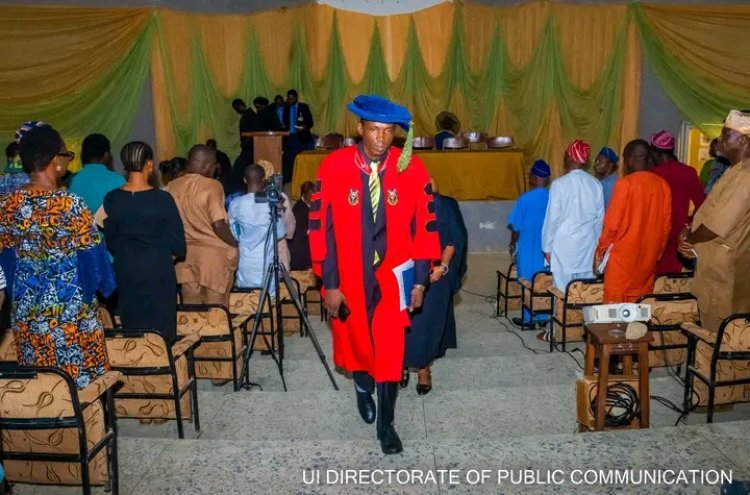
Dr. Adeyanju made the call while delivering the 6th Faculty Lecture of the Faculty of Renewable Natural Resources, University of Ibadan, on behalf of the Department of Wildlife and Ecotourism Management.
The lecture, titled “Sustainable Development within Nigeria’s Protected Areas: Resource Conservation-Based Ecotourism in Nigeria, Is This Working?”, examined the challenges confronting protected areas in the country and the measures required to maximise their conservation, economic and social value.
Dr. Adeyanju noted that Nigeria possesses diverse ecosystems and rich biodiversity with significant potential for conservation, research, tourism and economic development.
He, however, lamented that despite the country’s considerable natural resources, the potential of its protected areas remains largely underutilised due to inadequate funding, poor infrastructure, insecurity, weak governance and insufficient human capacity.
The wildlife expert stressed that protected areas should not merely exist as legally designated spaces but must have clear management objectives, adequate resources and measurable targets to ensure effective conservation.
He explained that updated management plans were essential for providing direction for conservation activities, resolving land-use conflicts and establishing measurable indicators for assessing the success of protected-area management.
Dr. Adeyanju also examined the role of ecotourism in biodiversity conservation, noting that while it could generate revenue and provide employment opportunities, it should not be regarded as a complete solution to Nigeria’s conservation challenges.
He observed that community-based ecotourism could fail when the economic benefits received by local communities were insufficient to compensate for opportunities lost through restrictions on farming, hunting, logging and other resource-dependent activities.
The Wildlife expert, therefore, advocated a more inclusive approach that would provide surrounding communities with tangible benefits from conservation through alternative livelihoods, employment opportunities and participation in decision-making.
He identified Yankari Game Reserve, Omo Forest Reserve and Okomu National Park as examples of protected areas with significant conservation and ecotourism potential, although they face varying levels of management and infrastructural challenges.
Dr. Adeyanju called for collaborative management involving government, conservation organisations, researchers and local communities to ensure that conservation objectives were balanced with the livelihood needs of surrounding populations.
He also advocated public-private partnerships and co-management arrangements as possible approaches to addressing the funding and operational challenges confronting Nigeria’s protected areas.
According to him, such partnerships could provide additional financial resources, technical expertise, modern conservation technologies and improved operational efficiency.
The lecturer further stressed the importance of technology in contemporary conservation, calling for the use of Geographic Information Systems, drones, camera traps and digital monitoring systems to strengthen wildlife protection and improve evidence-based decision-making.
He advocated increased investment in research and human capacity development, particularly in wildlife management, ornithology, ecotourism and other areas relevant to the sustainable management of natural resources.
Dr. Adeyanju emphasised that the success of conservation efforts would depend largely on the relationship between protected areas and neighbouring communities. He noted that communities should be treated as partners in conservation rather than as threats to biodiversity.
He reiterated the need for alternative livelihood programmes, agricultural support, improved infrastructure and greater community participation as measures capable of reducing pressure on protected-area resources.
Dr. Adeyanju asserted that Nigeria could derive greater economic, environmental and social benefits from its protected areas if the country moved beyond merely establishing conservation areas to adequately funding, managing and developing them.
He therefore called for deliberate policies, effective governance and sustained investment in infrastructure, conservation technology, human capacity and community development to make ecotourism a more effective tool for biodiversity conservation and sustainable development in Nigeria.