University of Ibadan’s Olumayowa Igado Makes History as First Female Veterinary Anatomy Professor
Professor Olumayowa Olawumi Igado of the University of Ibadan has reportedly made history as Nigeria’s first female professor of Veterinary Anatomy.
 judithhh
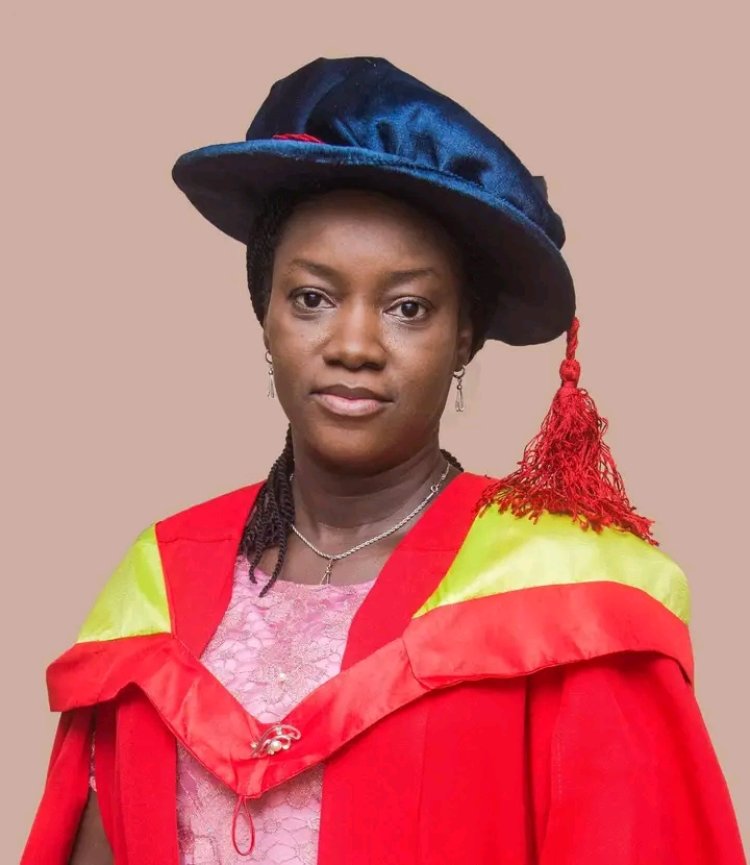
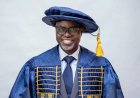
Professor Olumayowa Olawumi Igado of the University of Ibadan has reportedly become Nigeria’s first female professor of Veterinary Anatomy, marking a significant milestone for women in veterinary medicine and academic research.
Igado is a member of the Department of Veterinary Anatomy in the university’s Faculty of Veterinary Medicine, where she also serves as Sub-Dean (Postgraduate). Her reported elevation to the professorial rank has drawn congratulations from members of the university community, including former Vice-Chancellor Professor Idowu Olayinka, who celebrated her achievement in a tribute published on Wednesday, October 14, 2026.
Olayinka described the development as another glass ceiling broken, congratulating the scholar for attaining a distinction in a specialised field of veterinary science. He also highlighted her family’s longstanding connection with the University of Ibadan and recalled that her father, Professor Oluyemi Oladiran, a retired professor of Physics at the institution, registered him for Preliminary Physics in 1977—the year Igado was born.
The former Vice-Chancellor described Igado as “a chip off the old block”, drawing a connection between her academic achievement and her family’s history of service to the university. He also celebrated her mother, Dr Mrs Oladiran, a retired Principal Assistant Registrar at the University of Ibadan who also served as an administrator at the institution’s International School.
In his congratulatory message, Olayinka expressed pride in Igado’s achievement and commended her for reaching a milestone that could encourage other women to pursue advanced academic careers in veterinary medicine and the sciences.
Beyond the significance of the reported promotion, Igado’s academic work focuses on veterinary anatomy, comparative neuroanatomy and environmental neurotoxicology. Her research examines the structure of animal bodies and the effects of environmental substances, including certain heavy metals, on biological systems.
Her scholarly interests also include investigating the potential protective effects of natural compounds against toxic substances. Among her published research is work on MIMO2, a compound isolated from Moringa oleifera leaves, and its protective effects against vanadium-induced cellular toxicity. She has also contributed to studies on the neuroprotective properties of kolaviron, a bioflavonoid associated with Garcinia kola.
Igado’s research extends to the anatomy and morphometric characteristics of different animal species, including Nigerian local dogs, fruit bats, pigs and other animals. Such work contributes to the scientific understanding of animal structure and provides research information relevant to veterinary education, comparative anatomy and animal health investigations.
The breadth of her research reflects the role of veterinary anatomy in more than the study of physical structures. Through investigations involving animal tissues, organs, neurological systems and environmental exposures, the discipline contributes to wider scientific inquiry into animal biology and the effects of environmental factors on living organisms.
Her professional responsibilities as Sub-Dean (Postgraduate) also place her within the academic administration of postgraduate education in the Faculty of Veterinary Medicine. The role involves contributing to the academic environment in which advanced research and specialist training take place.

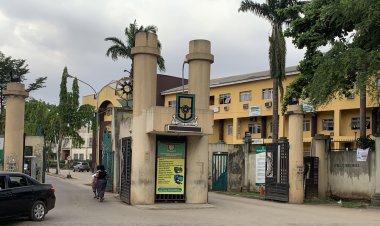
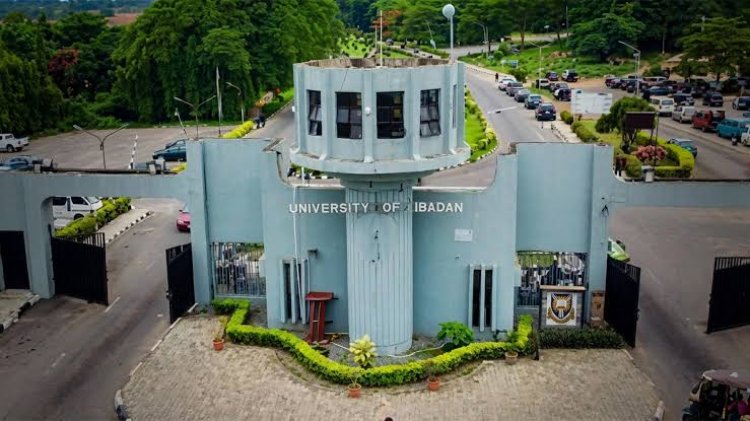
The University of Ibadan has a longstanding history in veterinary education. Its Faculty of Veterinary Medicine was approved in 1961, while the Department of Veterinary Anatomy and Physiology was established in 1963. The department now supports teaching and research in areas including gross anatomy, histology, embryology and comparative anatomy.
Against this institutional background, Igado’s reported achievement represents an important moment for women pursuing senior academic positions in specialised scientific disciplines. It also draws attention to the contributions of women whose research and administrative responsibilities help sustain Nigeria’s higher education and scientific research systems.
Her story carries a wider message for aspiring female scientists: progress in academia involves years of training, research, publication, teaching and professional service. Recognition at the highest academic levels can provide visible examples for younger scholars seeking to build careers in fields where women have historically been underrepresented.
Olayinka’s tribute concluded with warm congratulations to the scholar, affirming the pride he and others have in her achievements. His message celebrated not only her reported elevation but also the promise her career holds for the next generation of Nigerian academics.
Igado’s reported distinction therefore places her at the centre of a significant conversation about gender representation, scientific scholarship and academic advancement in Nigeria, while her research continues to contribute to the study of animal anatomy and environmental effects on biological systems.